
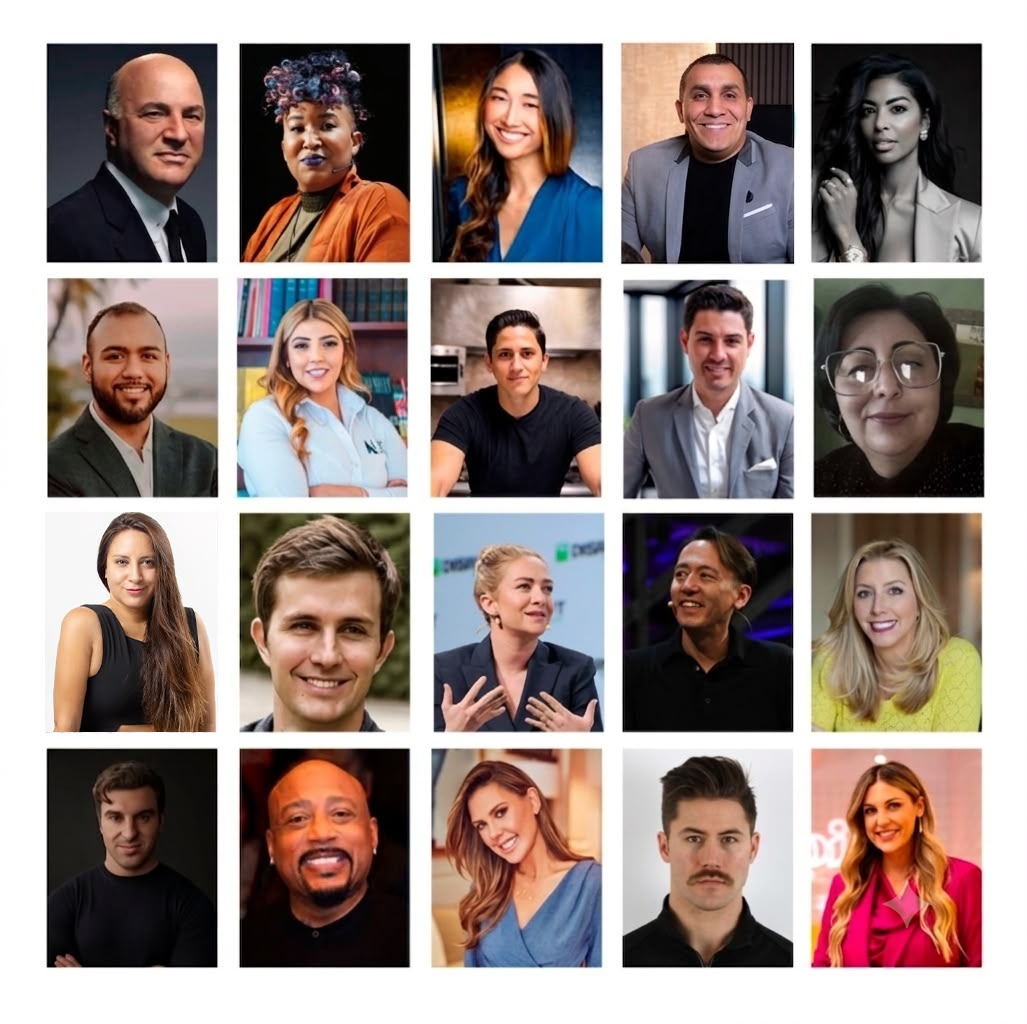

There was a time when the rules of business felt fixed: grow fast, scale aggressively, and success would follow. But as we step deeper into 2026, that playbook is no longer enough. Today’s most influential founders are not just building companies; they are rewriting the very frameworks that define them. In a world shaped by rapid technological evolution, cultural shifts, and a more conscious consumer, business has become something far more human, nuanced, and intentional.
What’s emerging instead is a new set of principles, ones that prioritize trust over speed, community over audience, and long-term resilience over short-term wins. These leaders understand that success is no longer measured solely in valuation, but in relevance, impact, and the ability to adapt in real time. They are asking different questions, making different bets, and in doing so, building companies that reflect the complexities of the world they serve.
In this new landscape, the most powerful insight is this: there is no single path forward, only patterns, perspectives, and principles that rise to the surface among those shaping what’s next. The following visionaries offer a window into those shifts. Through their journeys, one thing becomes clear: the future of business isn’t being predicted: it’s being designed.
Kevin O’Leary
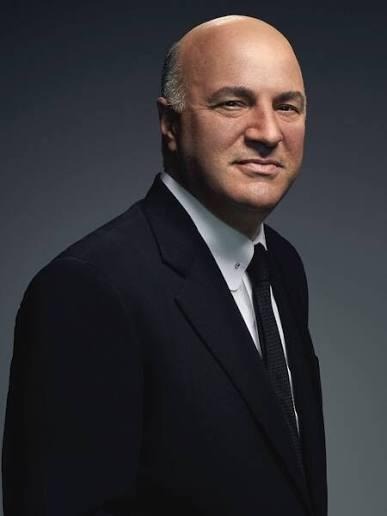
Kevin O’Leary is one of the most recognizable investors and business strategists of this generation. Widely known as “Mr. Wonderful,” he built his reputation through disciplined investing, sharp financial insight, and an uncompromising commitment to value creation. From co-founding SoftKey Software Products, which later became The Learning Company and sold for billions, to becoming a leading investor on Shark Tank, O’Leary has consistently demonstrated how strategic execution and financial intelligence build enduring wealth.
What makes O’Leary unique is his unwavering belief that numbers never lie. While many entrepreneurs operate on emotion, he operates on margins, cash flow, and scalability. His investment philosophy centers on sustainable businesses that generate predictable returns, protect capital, and reward disciplined leadership. Over the years, he has expanded his brand beyond venture investing into asset management, financial education, wine, and media—proving the power of diversification backed by strategy.
In 2026, O’Leary emphasizes that the biggest shift in business is financial literacy combined with adaptability. In an era shaped by rapid technological innovation, AI integration, and global market volatility, leaders can no longer afford to ignore data-driven decision-making. For O’Leary, discipline, daily execution, and resilience remain fundamental—but clarity around profitability and long-term value creation is non-negotiable.
He continues to leverage media, digital platforms, and global speaking engagements to educate entrepreneurs on building scalable companies and protecting their wealth. His message is direct: revenue is vanity, profit is sanity, and cash flow is king.
For Kevin O’Leary, entrepreneurship is not about hype—it’s about results.
Shelly Bell
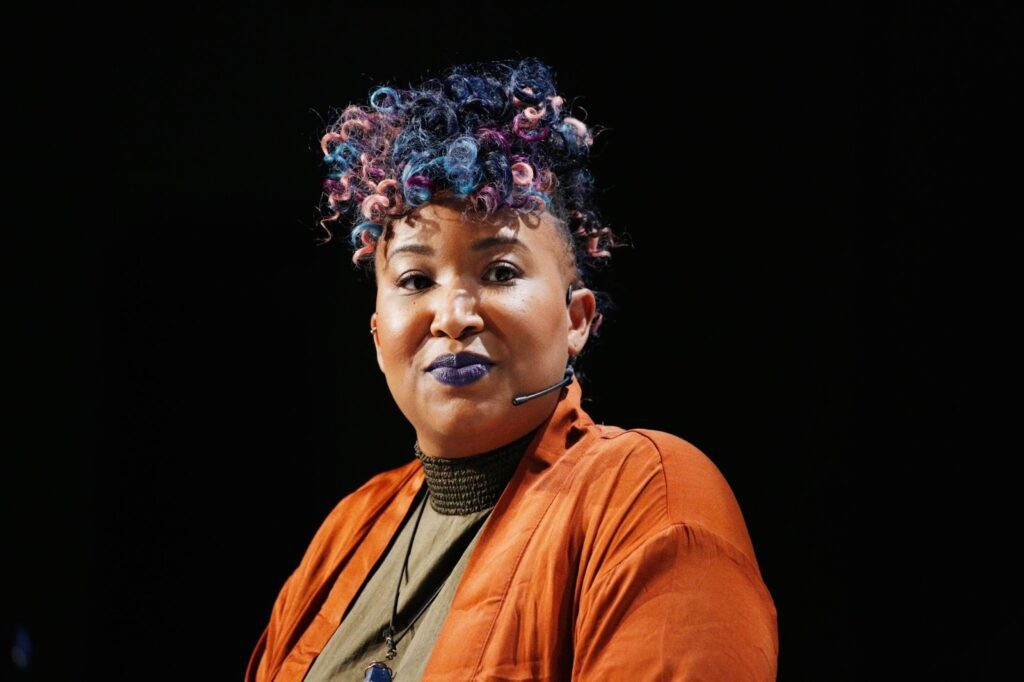
Shelly Bell is an American entrepreneur and ecosystem builder best known as the founder and CEO of Black Girl Ventures, a platform designed to support women of color founders through access to capital and community. Raised in Durham, North Carolina, Bell began her career in education after studying computer science, a path that grounded her in systems thinking and community impact before she transitioned into entrepreneurship.
Before launching Black Girl Ventures, Bell founded ventures such as MsPrint USA and Made By a Black Woman, both rooted in empowering underrepresented creators. These early experiences revealed a persistent gap in access to funding, particularly for minority founders, which ultimately shaped the direction of her work.
In 2016, she founded Black Girl Ventures, which has since become a nationally recognized organization known for its pitch competitions that merge crowdfunding with live audience participation. The model challenges traditional venture capital structures and introduces a more inclusive approach to early-stage funding.
Bell’s work reflects a broader shift in how businesses are built today. Her core business rule is clear: community is no longer a byproduct of business,it is the business model itself. In 2026, that principle is increasingly defining how companies grow, scale, and sustain relevance.
Jessica Mah
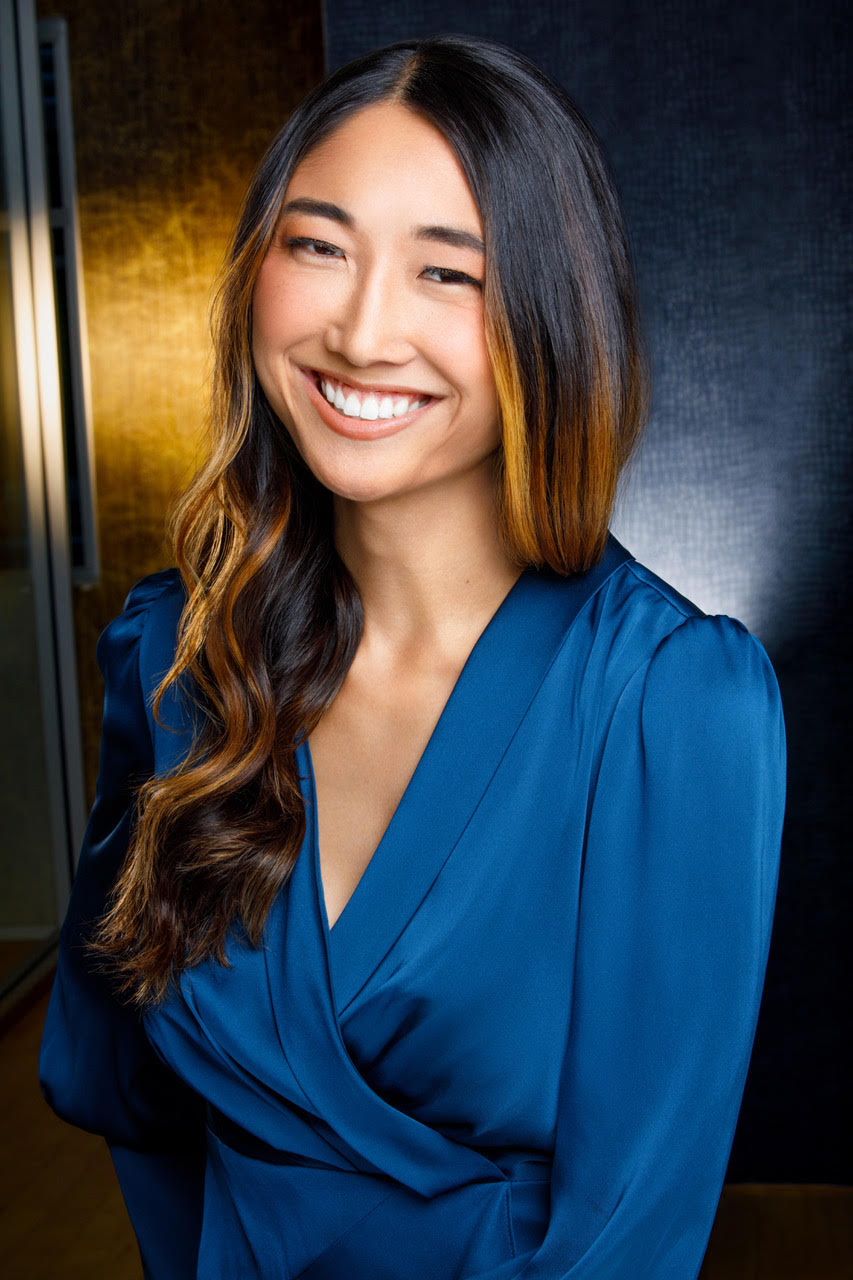
Jessica Mah is an American entrepreneur and co-founder of InDinero, a financial services company that helps small businesses manage accounting, taxes, and financial operations. Born in New York to immigrant parents who ran a small business, Mah developed an early understanding of entrepreneurship and the challenges that come with managing finances.
While studying at UC Berkeley, she began building startups, eventually co-founding InDinero in 2009. The company aimed to simplify financial management by combining multiple services into a single platform. Despite early struggles and pivots, InDinero evolved into a trusted partner for thousands of small and medium-sized businesses across the U.S.
Mah became known for her candid perspective on entrepreneurship, often speaking openly about failure, resilience, and the realities behind startup culture. Her leadership style reflects a pragmatic approach focused on sustainability rather than hype-driven growth.
Her business rule for 2026 is grounded in that experience: profitability is not optional, it is the new form of innovation. In an era where capital is more disciplined, Mah represents a generation of founders redefining success through financial resilience.
Manuel Colon
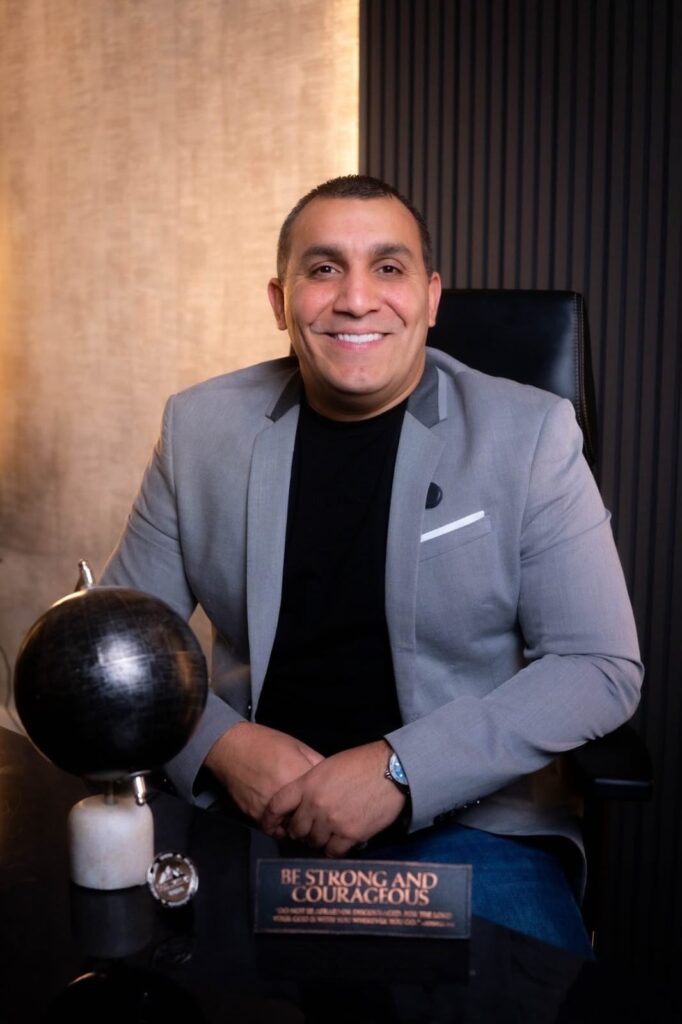
Manuel Colon is a CEO, Real Estate Investment Strategist, and Fund Execution Leader focused on transforming how investors access and scale real estate opportunities in the United States. As the driving force behind GS Property LLC, Colon has built a reputation for combining hands-on operational expertise with sophisticated investment execution, creating a platform that bridges capital, strategy, and real estate development.
Unlike many industry leaders who enter real estate from a purely financial perspective, Colon’s journey began in the field. He started by renovating residential properties and managing small-scale projects, gaining firsthand experience in construction, budgeting, timelines, asset valuation, and project execution. This practical foundation provided him with a deep understanding of the operational side of real estate, a perspective that continues to shape his investment philosophy today.
As demand and opportunities expanded, Colon recognized that the true value in real estate was not simply in remodeling properties but in building a scalable infrastructure capable of deploying capital efficiently and generating consistent value. Under his leadership, GS Property LLC evolved from a renovation-focused company into a comprehensive real estate investment and capital execution platform.
Today, the company has the operational capacity to manage up to 14 simultaneous projects across multiple cities, with an active presence in Florida and Texas—two of the fastest-growing real estate markets in the United States. Through strategic renovations, asset repositioning, fix-and-flip projects, and value-add investment strategies, Colon and his team help private investors, family offices, and investment funds maximize returns through disciplined execution and operational efficiency.
One of Colon’s key differentiators is his ability to understand both sides of the business: investment and execution. While many professionals focus solely on identifying opportunities, Colon specializes in turning opportunities into tangible results. His hands-on experience allows him to evaluate projects not only from a financial perspective but also through the lens of operational feasibility and value creation.
Beyond domestic investments, Colon has also developed structures designed to help international investors gain access to the U.S. real estate market. These opportunities often align with wealth-building, business expansion, and long-term asset preservation objectives, providing investors with exposure to real assets backed by active operations and strategic management.
Looking ahead, Colon is leading the development of a real estate investment fund designed to connect capital from both the United States and Latin America with high-value opportunities in the American real estate sector. His long-term vision is to establish a scalable institutional platform that serves as a strategic partner for investors, funds, and families seeking sustainable wealth creation through real estate.
For Colon, success is measured not only by financial performance but by freedom, purpose, and legacy. His mission is to build an ecosystem where investment, execution, and wealth creation work together to generate lasting impact across generations.
Maria Rodriguez

Dr. María L. Rodríguez, PhD, LPC, is a mental health expert, best-selling author, and founder of Care Counseling Center, a practice dedicated to delivering culturally competent therapy and psychological services to individuals, families, and underserved communities. With a career shaped by both professional expertise and lived experience, she has become a leading voice in bridging the gap between mental health care, legal advocacy, and community empowerment.
Born in New York City and raised in part in the Dominican Republic, Dr. Rodríguez’s early life was defined by navigating cultural transitions, language barriers, and economic challenges. These formative experiences deeply influenced her path, instilling a commitment to helping others overcome adversity. As a Licensed Professional Counselor, she has built her career around supporting individuals facing trauma, anxiety, depression, and complex life transitions, with a particular focus on immigrant populations.
Through Care Counseling Center, Dr. Rodríguez provides psychotherapy, trauma treatment, and specialized psychological evaluations, including assessments for immigration-related legal cases such as asylum, VAWA petitions, U-Visas, and hardship waivers. Her work plays a critical role in helping legal professionals and courts understand the psychological impact of trauma, abuse, and family separation. Recognizing that access to care extends beyond traditional therapy, she also founded the Care Counseling Access Foundation, a nonprofit organization focused on expanding mental health resources, education, and outreach to underserved communities.
Dr. Rodríguez launched her practice in response to a clear and urgent need for culturally informed mental health services. Drawing from her own background as a first-generation American of Dominican descent, she has created spaces where clients feel seen, understood, and supported. Her dual approach—combining clinical care with community advocacy—reflects a broader mission to make mental health services accessible and equitable.
In 2026, Dr. Rodríguez emphasizes a critical shift in leadership: the integration of emotional well-being and social responsibility as core components of sustainable business. Through expanded telehealth services, cross-sector collaborations, and community-driven initiatives, she continues to evolve her organizations to meet these demands.
Her work is grounded in a singular vision: to build purpose-driven systems that prioritize compassion, mental wellness, and lasting impact—ensuring that healing and support are accessible to all.
Aulundrew Tedtaotao
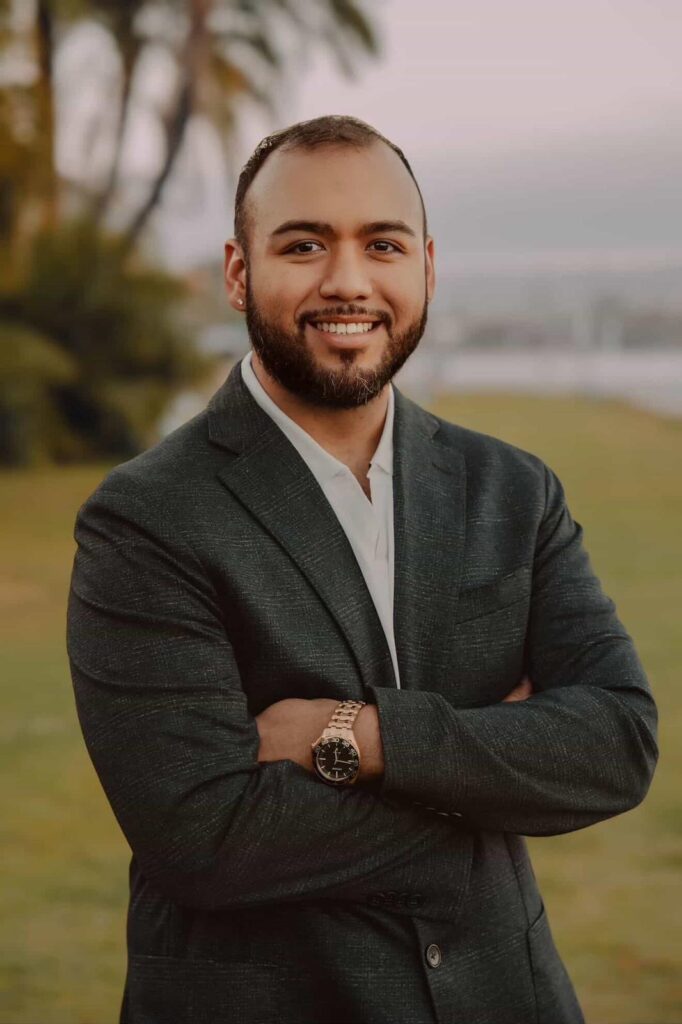
Aulundrew Tedtaotao, professionally known as a B.O.S. Life Broker, is a financial services professional whose background blends military leadership, high-ticket sales, and a strong focus on long-term wealth strategy. With nearly 20 years of experience in the United States Navy, he has built his career around discipline, consistency, and performance under pressure.
Aulundrew began his entrepreneurial journey in 2010, selling vacuums door-to-door while serving on active duty. That experience helped him develop the communication and sales skills that would later shape his business career. He went on to build experience in network marketing and telesales, eventually closing high-ticket programs over the phone and helping generate significant revenue growth for the companies he represented.
In early 2026, he made a strategic shift into life insurance and financial services, choosing to focus on ownership, recurring income, and long-term impact. That move aligned with his belief that real success is built through systems, leverage, and the ability to create stability for both clients and agents.
His brand, B.O.S., stands for Become. Overcome. Succeed. The philosophy reflects his mission to help people develop discipline, overcome limitations, and create lasting success through financial education and smart planning. His work is especially relevant to sales professionals, active-duty service members, and veterans looking to build stronger financial foundations.
As technology and automation continue reshaping business, Aulundrew’s approach centers on combining proven sales principles with scalable systems and modern tools. Grounded in service, leadership, and legacy, he is building a business designed to create both financial protection and long-term opportunity.
Lyna Buitrago
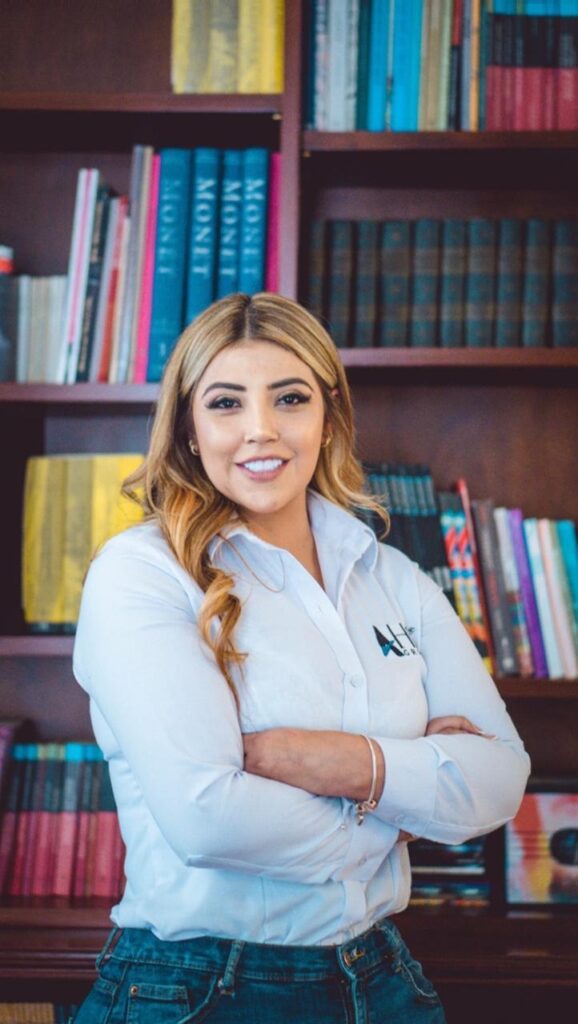
Lyna Maria Buitrago Vallejo is a visionary entrepreneur, CEO, water resources specialist, and emerging force at the intersection of climate tech and artificial intelligence. As the founder and leader of AHG Group, she has redefined what environmental engineering can look like in Latin America by transforming traditional consulting into a data-driven, high-impact climate technology company serving sectors such as mining, energy, agriculture, and industry.
With a background in Environmental and Sanitary Engineering and a specialization in water resources, Lyna built her career in a field where female leadership has historically been underrepresented. Rather than accept the limitations of a male-dominated industry, she chose to challenge the status quo by creating a company rooted in technical excellence, innovation, and social responsibility. Under her leadership, AHG Group helps companies move beyond reactive environmental compliance by using real-time monitoring systems, meteorological stations, and predictive intelligence to optimize water management and strengthen long-term operational performance.
What sets Lyna apart is not only her scientific and strategic mindset, but also her unwavering commitment to building more inclusive leadership ecosystems. She has made it a core mission to elevate women in STEM and executive leadership, proving that equity is not just a social value, but a driver of profitability, innovation, and sustainable growth. Her leadership philosophy centers on creating opportunities for women to lead with authority, empathy, and measurable impact.
A defining turning point in her journey came with the birth of her daughter, Antonia, in late 2025. That moment deepened her purpose and sharpened her vision: to help create a healthier planet while ensuring the next generation of women inherits a world where their leadership in science, technology, and business is expected, valued, and celebrated.
As business rapidly shifts toward predictive climate intelligence in 2026, Lyna remains at the forefront of that transformation. Through AHG Group’s global partnerships, international expansion strategy, and AI-powered environmental solutions, she is positioning Colombian engineering talent on the world stage. Lyna Maria Buitrago Vallejo is not just building a company — she is building a new model of leadership for the future.
Dany Davsa
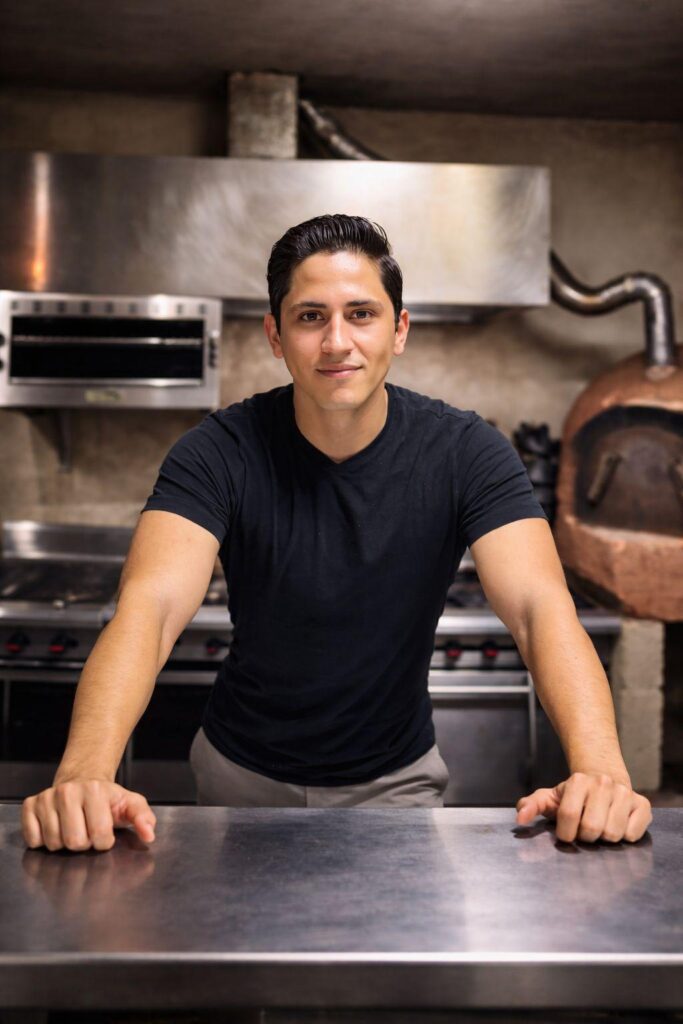
Dany Davsa is the founder of one of the most promising emerging brands in the fitness nutrition space, redefining how people approach healthy eating in Mexico. His entrepreneurial journey began at just 19 years old, when he made a personal commitment to discipline—starting with something as simple, yet powerful, as never compromising his nutrition. While most students improvised their meals, Dany consistently showed up with carefully prepared, balanced meal preps tailored to his fitness goals. What began as a personal habit quickly caught attention, and soon, classmates were asking him to prepare meals for them as well.
What started with five clients rapidly grew to 60 within six months, driven not by marketing strategies, but by consistency, quality, and results. During the pandemic, while many businesses slowed down, Dany pivoted with vision—choosing to scale through a delivery-first, dark kitchen model instead of a traditional restaurant. That decision accelerated the growth of Fitness Kitchen, which now operates in multiple cities including Interlomas, San Pedro Garza García, Saltillo, and Puerto Vallarta.
Today, Fitness Kitchen is more than a meal prep service. It is a results-driven ecosystem offering personalized nutrition, professional guidance, and performance-focused coaching. Dany stands out for merging discipline with innovation, leveraging data, automation, and AI to deliver highly personalized customer experiences while maintaining a strong human connection.
His philosophy is simple yet powerful: heart-driven leadership with a sharp, strategic mindset.
Mateo Carmona
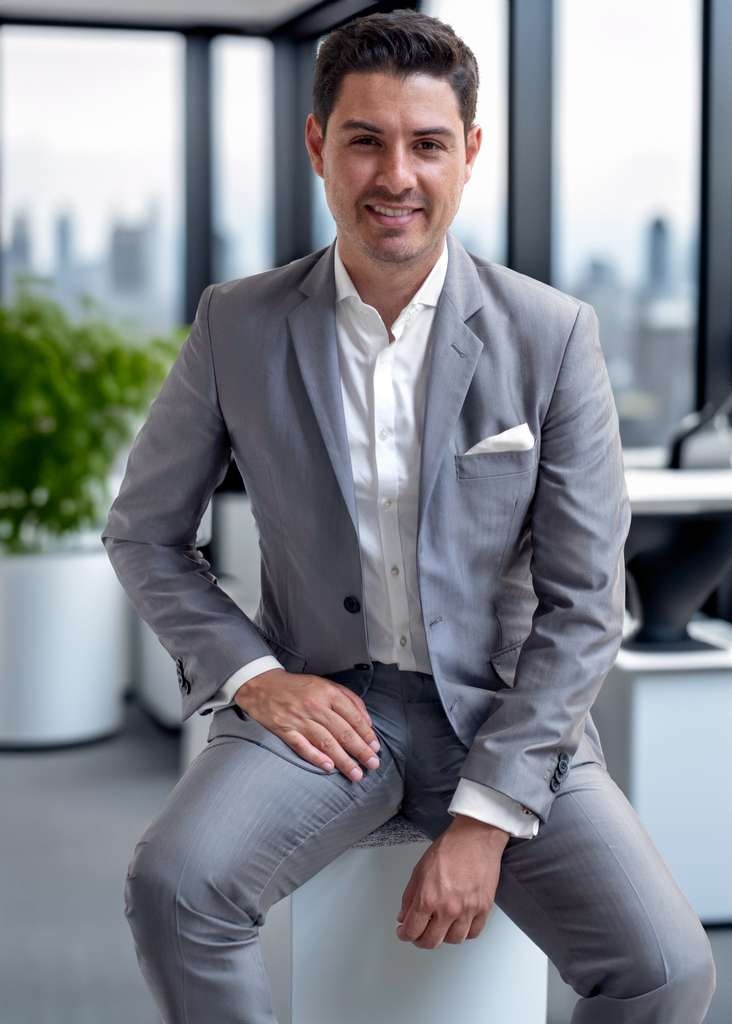
Mateo Carmona-Arango is a technology entrepreneur and systems thinker focused on redefining how modern organizations operate in an era shaped by automation and artificial intelligence. As the founder of AF Global (afglobal.co), he is building what he describes as “the operating system for intelligent business operations,” an ecosystem of technology-driven companies designed to help organizations achieve greater efficiency, speed, and scalability.
Carmona-Arango began his entrepreneurial journey at the age of 17, driven by a deep curiosity about how businesses function beneath the surface. Early in his career, he identified a recurring issue across industries: most organizational inefficiencies stem not from a lack of talent or technology, but from poorly designed processes. This insight became the foundation of his work and long-term vision.
Over the years, he has worked closely with companies to digitize and automate their operations, gaining firsthand experience in the limitations of fragmented software solutions. Recognizing the need for a more integrated approach, he founded AF Global to design and orchestrate intelligent operational systems that combine process engineering, automation, artificial intelligence, and data.
Under his leadership, AF Global has launched initiatives such as BPMS.Ai, a platform designed to function as a company’s process operating system, and AF Robotics, which deploys software robots to eliminate repetitive, manual tasks. His approach prioritizes understanding how an organization should function at its core before implementing the technology to support it, ensuring alignment between people, systems, and AI.
Carmona-Arango is particularly focused on the shift taking place in 2026, where artificial intelligence is evolving from a supporting tool into a core operational infrastructure. He believes that the companies best positioned for the future will be those that integrate AI directly into their workflows, enabling systems that can execute tasks, make decisions, and coordinate operations alongside human teams.
His broader mission is to eliminate operational friction within organizations, freeing up human talent to focus on innovation and value creation. Through AF Global, he continues to advocate for a new model of business—one where humans, automation, and intelligent systems work seamlessly together to power the next generation of enterprises.
Narina Saharuni
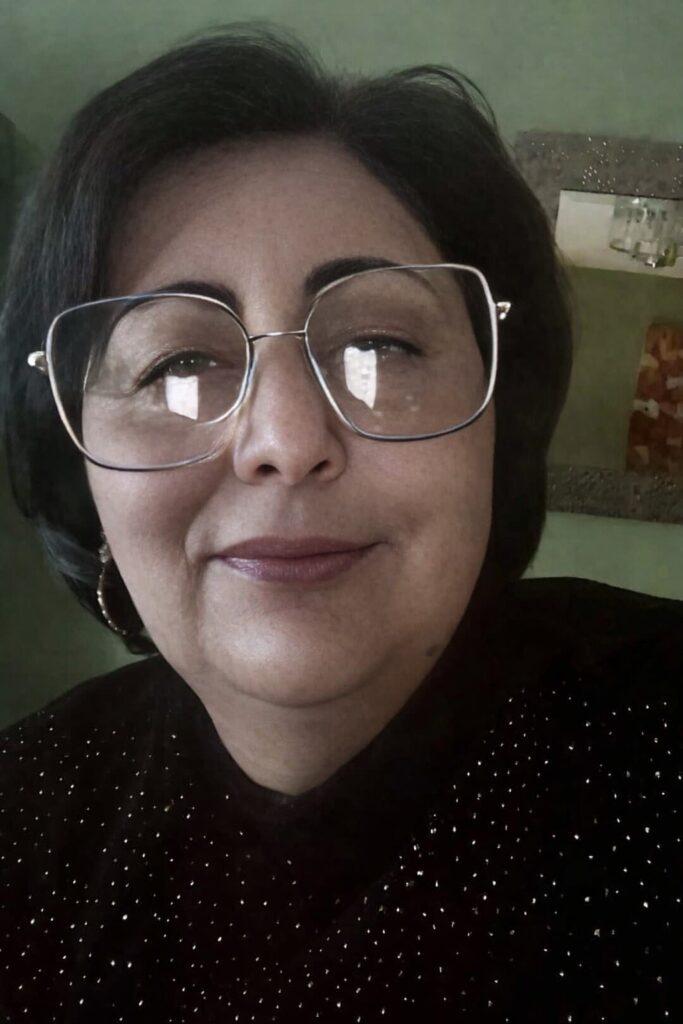
Narina Saharuni is a Georgian-born pianist, educator, and emerging composer whose story is defined by resilience, reinvention, and an unwavering commitment to artistic expression. Raised in an Armenian family in the country of Georgia and formally trained at a conservatory in Armenia, Saharuni was immersed in music from an early age. Following her immigration to the United States in 1991, she faced the challenges of adapting to a new culture, language, and professional path, temporarily pivoting into business before ultimately returning to her true calling in music. Her dedication and talent led to an appointment as Associate Professor of Collaborative Piano at SUNY Purchase Conservatory of Music, marking a significant milestone in her career.
Saharuni’s journey, however, extends far beyond professional accomplishments. After navigating a divorce following a 25-year marriage, she endured a series of profound personal hardships, including the simultaneous cancer diagnoses of her mother and her brother, renowned artist David Datuna. Shortly thereafter, Saharuni faced a life-threatening illness that left her in a coma for three weeks. Her recovery was arduous, requiring her to relearn fundamental skills such as speaking, walking, and eating. The emotional toll was compounded by the loss of both her mother and brother within a six-month period, leading to a period of deep depression and uncertainty.
It was through music that Saharuni rediscovered purpose. Drawing inspiration from her experiences, she began composing original pieces as a form of emotional healing and self-expression. Today, she runs a private piano studio, teaching students of all ages and skill levels while continuing to expand her work as a composer. Her approach blends classical training with a deeply personal, expressive style shaped by life’s challenges.
In an era increasingly shaped by artificial intelligence, Saharuni remains optimistic about the enduring value of human artistry. While acknowledging AI’s growing role in creative industries, she emphasizes the irreplaceable power of live musical performance and emotional connection. By embracing technology as a tool rather than a competitor, she continues to evolve her craft while preserving the authenticity that defines her work.
Saharuni’s leadership philosophy centers on vision, collaboration, and trust—principles she applies both in her teaching and her creative pursuits as she builds a lasting legacy through music.
Dyrse Charaf

Dyrse Charaf is an entrepreneur, strategic consultant, and founder of BSGN Consulting Group, a firm specializing in strategic communication, business development, public image, leadership, and customer experience.
For more than 15 years, Charaf has worked with entrepreneurs and business leaders to transform ideas into sustainable brands, stronger organizations, and meaningful customer experiences. Her interest in communication began at an early age while watching the Super Bowl and becoming fascinated by the strategy, storytelling, design, and logistics behind productions capable of influencing millions.
What distinguishes Charaf’s approach is her ability to integrate branding, leadership, behavior, communication, and customer experience into one strategic system. Rather than focusing only on visibility or sales, she helps leaders create perceptions and experiences that build trust, loyalty, influence, and long-term value.
Her philosophy is centered on the belief that sustainable growth begins with personal development. She encourages entrepreneurs to operate from clarity, identity, emotional intelligence, and strong personal standards rather than urgency, fear, or external validation.
Motherhood became one of the most transformative experiences of her journey, challenging her to redefine success, productivity, and balance. It reinforced her belief that leadership is not about doing everything at once, but about intentionally directing energy toward what matters most during each stage of life.
In 2026, Charaf is expanding her work with high-performance leaders while addressing a growing challenge in the digital business world: companies focused heavily on lead generation and sales but lacking genuine customer transformation and human connection.
Her mission is to elevate how businesses are built, how leaders operate, and how customers experience a brand. For Charaf, entrepreneurship is not simply about generating revenue—it is about creating meaningful impact and becoming unforgettable in every interaction.
Evan Beard

Evan Beard is an American entrepreneur and CEO of Standard Bots, a robotics company focused on making automation more accessible to manufacturers. With a background in engineering from Duke University, Beard has built multiple startups, including Etacts and ArmorHub, both of which were successfully acquired.
Standard Bots represents his most ambitious venture, aiming to democratize robotics by lowering barriers to entry for small and mid-sized businesses. The company has attracted significant investment and reflects the growing role of AI and automation in reshaping industries.
Beard has also been recognized for his thought leadership, including testimony before the U.S. Congress on AI and manufacturing. His work positions him at the intersection of innovation, policy, and economic transformation.
His business rule is particularly relevant in today’s landscape: access to advanced technology will define competitive advantage, not just for big companies, but for everyone. In 2026, democratization of tech is no longer optional; it is inevitable.
Whitney Wolfe Herd
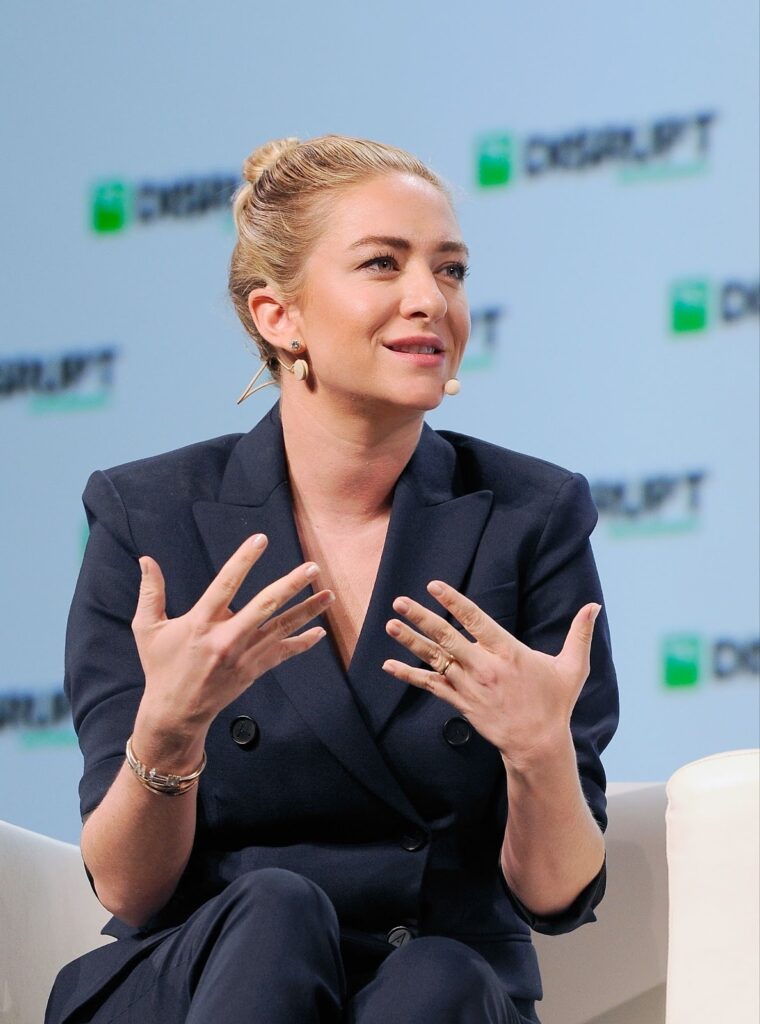
Whitney Wolfe Herd is the founder of Bumble, a platform that transformed online dating by putting women in control of initiating conversations. Before launching Bumble, she was a co-founder of Tinder, where she played a key role in its early growth.
After leaving Tinder, Wolfe Herd launched Bumble in 2014 with a clear mission: to create safer, more respectful digital spaces. The app quickly expanded beyond dating into networking and friendships, evolving into a broader social platform.
Bumble’s IPO in 2021 marked a historic milestone, making Wolfe Herd one of the youngest female CEOs to take a company public. Her leadership has consistently challenged traditional norms in both tech and relationships.
Her business rule reflects that disruption: the strongest brands are built by redesigning power dynamics, not just products. In 2026, cultural relevance is as critical as functionality.
Ben Chestnut
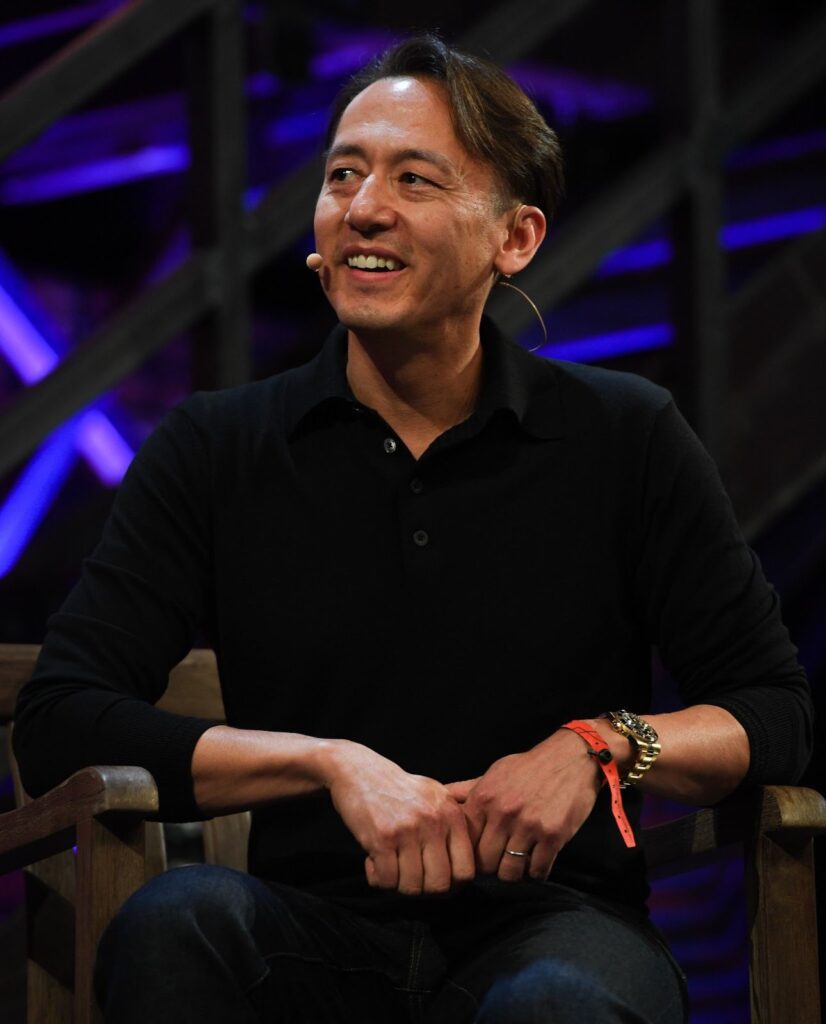
Ben Chestnut is the co-founder of Mailchimp, one of the most successful bootstrapped companies in the U.S. Originally launched as a side project in 2001, Mailchimp grew into a global marketing platform without relying on venture capital.
Chestnut’s approach focused on small businesses, intuitive design, and long-term growth. Over time, Mailchimp expanded its offerings, becoming an essential tool for millions of users worldwide.
In 2021, the company was acquired by Intuit for approximately $12 billion, marking a milestone for independently built companies. Chestnut’s journey stands as an alternative to the traditional venture-backed path.
His business rule is simple but powerful: you don’t need external funding to build a massive company—you need clarity, patience, and product obsession. In 2026, independence is becoming a strategic advantage.
Sara Blakely
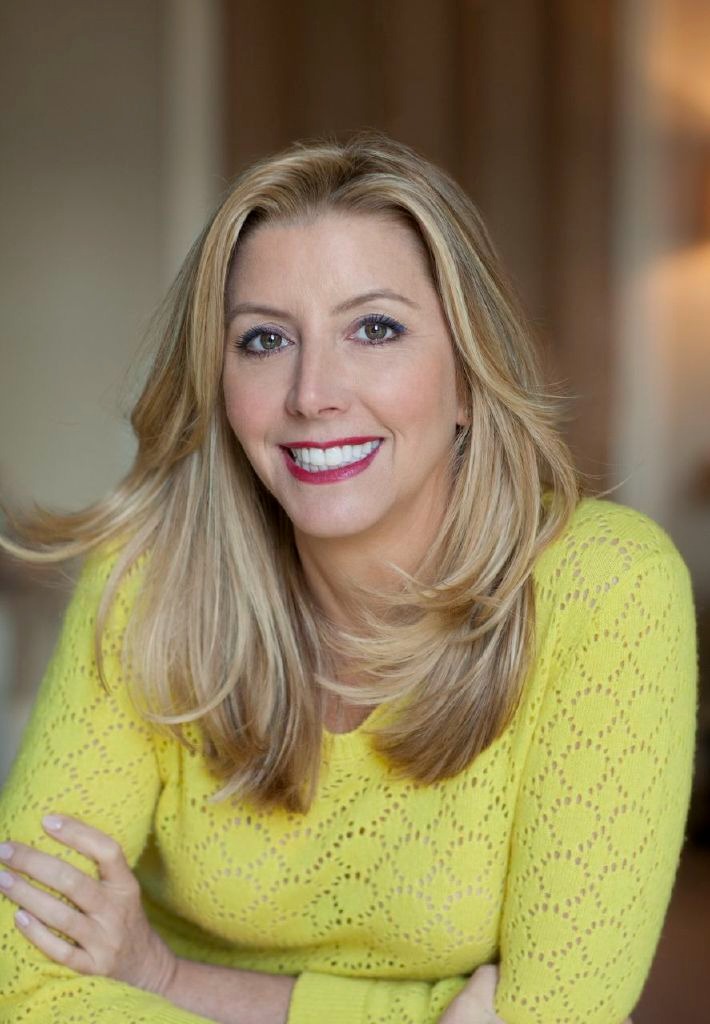
Sara Blakely is the founder of Spanx, a company that revolutionized shapewear and built a billion-dollar brand from just $5,000 in savings. Without formal business training, Blakely relied on intuition, persistence, and a deep understanding of her customer.
Her breakthrough came when Spanx was featured on Oprah, accelerating its growth and positioning it as a household name. Over time, the brand expanded into new categories while maintaining its focus on innovation and comfort.
Blakely’s success made her one of the youngest self-made female billionaires, and she has since become a prominent advocate for women entrepreneurs.
Her business rule is rooted in her journey: solve a real problem for yourself, and you’re likely solving it for millions. In 2026, authenticity is one of the most scalable strategies.
Brian Chesky

Brian Chesky is the co-founder and CEO of Airbnb, a company that reshaped the global hospitality industry. What began as a simple idea—renting out air mattresses—evolved into a platform used by millions worldwide.
Airbnb faced early skepticism but grew into a dominant force by focusing on trust, community, and unique travel experiences. Chesky’s leadership emphasized design and user experience as key differentiators.
Today, Airbnb is a publicly traded company that continues to influence how people travel and connect globally.
Chesky’s business rule reflects that evolution: people don’t just buy services—they buy belonging. In 2026, emotional connection is a core business strategy.
Daymond John

Daymond John is the founder of FUBU, a fashion brand that became a cultural icon in the 1990s. Starting with limited resources, he built the company from his home in Queens through creativity and grassroots marketing.
FUBU’s success was driven by its authentic connection to culture and strategic use of celebrity endorsements. It grew into a global brand and became a defining force in streetwear.
John later became a well-known investor on Shark Tank, mentoring entrepreneurs and sharing his expertise.
His business rule remains highly relevant: brands win when they are rooted in culture, not just commerce. In 2026, cultural alignment is a growth engine.
Kendra Scott

Kendra Scott is the founder of her namesake jewelry brand, which she launched with just $500. Through a focus on design, accessibility, and customer experience, she built a nationwide retail presence.
Scott’s brand became known for its distinctive aesthetic and strong connection with its audience. She also integrated philanthropy into her business model, making giving back a core part of the brand identity.
Her leadership style emphasizes empathy and customer engagement, helping her brand maintain loyalty in a competitive market.
Her business rule is clear: customer experience is no longer a department, it is the entire business. In 2026, loyalty is built through connection, not transactions.
Tristan Walker

Tristan Walker is the founder of Walker & Company Brands, a company focused on creating health and beauty products for people of color. Before launching his company, Walker worked at Foursquare and Andreessen Horowitz.
His flagship brand, Bevel, addressed specific grooming challenges often overlooked by mainstream companies. The success of the company led to its acquisition by Procter & Gamble.
Walker has been recognized for building inclusive products and addressing underserved markets with precision and intention.
His business rule reflects that focus: the biggest opportunities lie in markets others overlook. In 2026, inclusion is not just ethical, it is economically strategic.
Allison Ellsworth
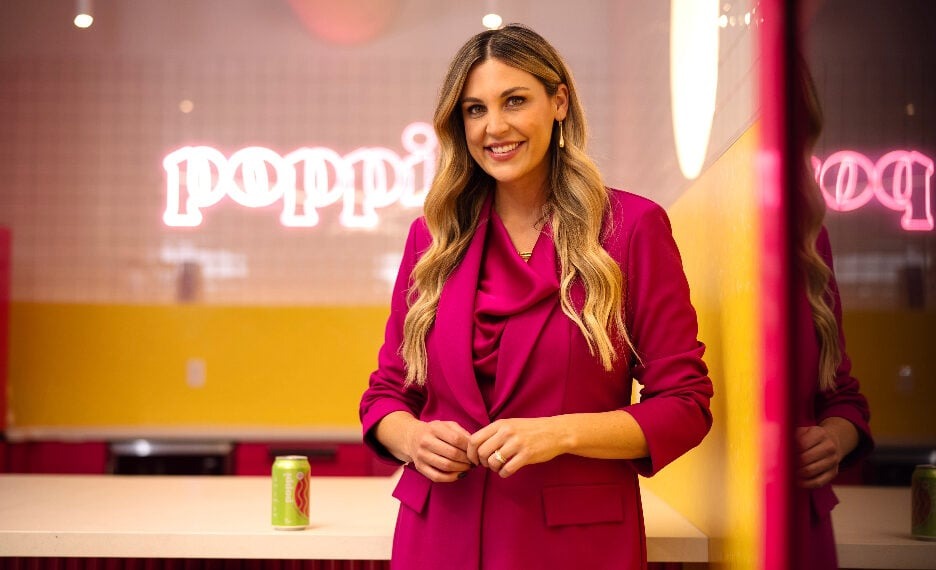
Allison Ellsworth is the co-founder of Poppi, a fast-growing beverage brand focused on gut health. What began as a homemade apple cider vinegar drink evolved into a nationally distributed product.
Poppi gained traction after appearing on Shark Tank, which accelerated its visibility and retail expansion. The brand successfully positioned itself at the intersection of wellness and convenience.
Ellsworth’s approach combined storytelling, branding, and product innovation, helping Poppi stand out in a crowded beverage market.
Her business rule captures that momentum: modern brands are built at the intersection of health, storytelling, and lifestyle. In 2026, relevance depends on aligning with how people actually live.