
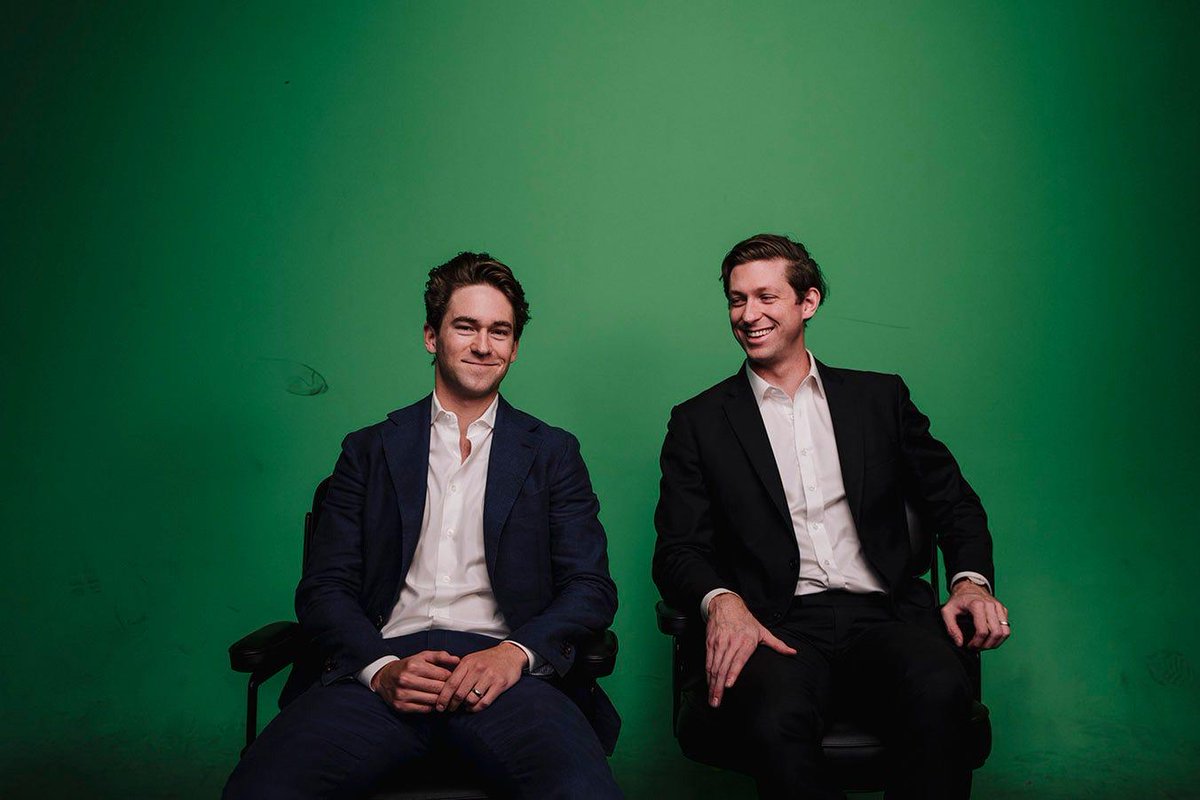

OpenAI has acquired TBPN, a fast-rising online technology talk show known for interviews with major Silicon Valley executives, in a move that surprised the media and tech worlds and signaled a new expansion beyond its core artificial intelligence products. The acquisition comes as OpenAI competes more aggressively with rival Anthropic for enterprise customers and looks for new ways to explain its plans and influence the broader public conversation around AI.
TBPN was launched in late 2024 by entrepreneurs John Coogan and Jordi Hays with the goal of building a serious competitor to established business and technology media outlets, including CNBC. The show quickly developed a loyal Silicon Valley following by featuring high-profile guests such as Meta CEO Mark Zuckerberg, Microsoft CEO Satya Nadella, filmmaker James Cameron and OpenAI CEO Sam Altman. As part of the deal, Coogan and Hays will join OpenAI, suggesting that the company is not just buying a media brand but also bringing its creators and audience strategy directly inside the organization.
The deal stands out because OpenAI had not previously signaled an intention to move into the news or media business. The acquisition is especially surprising because OpenAI had recently shelved its Sora video-generation tool while concentrating on the more lucrative market for AI coding tools. That context makes the TBPN purchase look less like a random side move and more like a strategic decision to broaden OpenAI’s public-facing influence at a time when competition in AI is no longer just about building models, but also about shaping trust, narrative and industry relationships.
OpenAI did not disclose the financial terms of the acquisition, but the company explained that owning TBPN would help it communicate its plans more clearly and guide discussion about the changes AI is bringing to business and society. In its newsletter, The Prompt, OpenAI argued that the move fits a longer tradition of media assets existing inside larger companies, such as ABC, CBS and NBC operating inside major conglomerates, Microsoft helping create MSNBC, and Bloomberg News existing within Bloomberg LP. That framing suggests OpenAI wants the acquisition to be seen not as an abandonment of editorial norms, but as part of a familiar corporate-media model.
At the same time, OpenAI said TBPN would maintain editorial independence. That claim is likely to draw scrutiny, because the core tension in the deal is obvious: a company at the center of the AI boom is buying a media platform that helps shape how technology leaders are understood. OpenAI is already dealing with backlash over a separate agreement allowing the U.S. government to use its technology in classified military operations. Against that backdrop, bringing a tech media outlet into the company could intensify questions about influence, transparency and whether a corporate-owned platform can independently cover the same industry and policy disputes affecting its parent company.
The acquisition also reflects how the battle among AI companies is widening. The deal takes place in the context of OpenAI’s contest with Anthropic for enterprise business, but media strategy may now be becoming another front in that rivalry. Enterprise clients, regulators, investors and the public are all paying closer attention to how AI firms present themselves and explain their ambitions. By acquiring TBPN, OpenAI appears to be betting that control over communication and audience relationships can matter almost as much as product development itself.
If OpenAI can preserve TBPN’s credibility while using it to better explain its vision, the acquisition could give it a powerful new platform. If not, it may deepen concerns about the shrinking line between technology companies and the media ecosystems that cover them.