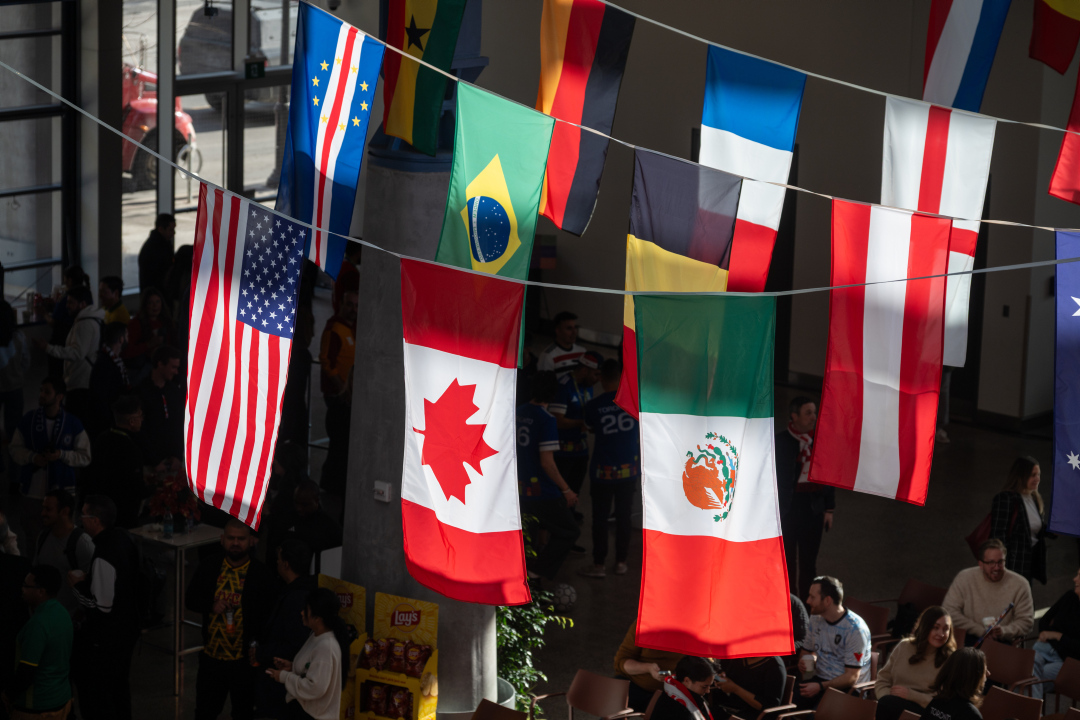

Amnesty International says the 2026 FIFA World Cup is approaching under conditions that could expose millions of fans and local communities to serious human rights risks across all three host countries: the United States, Mexico and Canada. They warned that the tournament is drifting far from the “safe, free and inclusive” event that FIFA promised when the World Cup was awarded. With the tournament set to begin on June 11, the group argued that host-country policies and security preparations are creating dangers tied to immigration enforcement, protest rights, militarization and homelessness.
Specifically, amnesty described the U.S. as being in a “human rights emergency,” citing mass deportations, aggressive immigration enforcement and restrictions on protests. More than 500,000 people were deported from the U.S. last year, and Amnesty said the same enforcement atmosphere could spill into World Cup celebrations. The organization called on FIFA to use its influence with the Trump administration to secure clear public guarantees that immigration enforcement agents would not operate around stadiums, fan zones, watch parties or other tournament-related spaces. Amnesty also said protest activity should be allowed and protected, rather than discouraged or criminalized during the event.
The report also highlighted specific groups Amnesty believes could face elevated risks in the U.S. context. The organization wants bans on fans from Senegal, Ivory Coast, Haiti and Iran entering the country to be lifted, and it called for additional protections for LGBTQ+ supporters. These concerns reflect a broader fear that the tournament could become less accessible and less inclusive for many international visitors if current immigration and civil-rights conditions remain unchanged by kickoff. That is especially important because the World Cup is supposed to function as a global gathering, not just a sports event controlled by domestic security priorities.
In Mexico, Amnesty’s concern centers on the scale and history of state security deployments. Mexican authorities have announced the deployment of roughly 100,000 security personnel, including 20,000 troops, for the tournament. Amnesty warned that such heavy militarization could lead to abuses and the suppression of protests, especially because Mexico has a documented history of human rights violations linked to military deployments, including torture and enforced disappearances. Also, residents have already protested gentrification, housing displacement and water shortages related to World Cup preparations. On the opening day in Mexico City, women’s groups plan to march to demand justice for missing relatives, and Amnesty said FIFA, security forces and the Mexican government should ensure that protests can go forward safely.
Canada appears in the report for different but still serious reasons. Amnesty warned that World Cup preparations in Vancouver and Toronto could worsen conditions for homeless residents if authorities try to “beautify” host cities by removing encampments or displacing vulnerable people. The group pointed to what happened during the 2010 Winter Olympics in Vancouver and also cited the recent closure of a winter warming center in Toronto after the venue was booked for FIFA-related use. Those examples suggest Amnesty is concerned that urban image-management around the tournament could come at the expense of people already living in fragile circumstances.
Host governments pushed back on the criticism. A White House spokesperson said that the president wants the tournament to be the “greatest” and the “safest and most secure in history,” while Canada’s public safety ministry said the country remains committed to a World Cup that reflects human rights, inclusion and the rule of law. Mexico’s authorities did not immediately respond. Amnesty, meanwhile, said it is not telling fans to stay home. Instead, it wants them to understand the risks and know their rights before traveling. In that sense, the warning is not an anti-World Cup statement as much as a call for transparency, safeguards and accountability before one of the world’s biggest sporting events begins.