
Communities across the United States are rapidly rethinking how they commemorate César Chavez after allegations that he sexually abused women and girls during the 1960s. Elected officials, civil rights groups, and local organizers are moving quickly to distance public celebrations, holidays, and landmarks from Chavez’s name, especially as March 31, his birthday and the traditional date of César Chavez Day observances, arrives. The response has been broad and immediate, stretching from California to Minnesota, and it reflects both shock over the allegations and a struggle over how to preserve the legacy of the farmworkers’ movement without continuing to celebrate one man at its center.
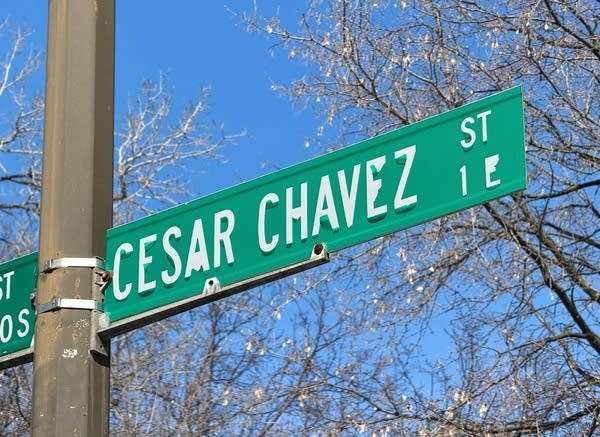
Several states and cities have already made concrete changes. In Minnesota, lawmakers voted to end the César Chavez holiday. In California, Governor Gavin Newsom signed a bill renaming César Chavez Day as Farmworkers Day. In Colorado, lawmakers were considering changing the voluntary state holiday’s name to Farm Workers Day. Local events have also been rebranded: Tucson turned its annual celebration into a community and labor fair, Grand Junction renamed its event the “Sí, Se Puede Celebration,” and El Paso planned to mark the date as Community and Labor Heritage Day. Renaming efforts are underway for dozens of schools, streets, and other places across the country, including the national monument in Keene, California.
The allegations themselves have deeply shaken people who long saw Chavez as a defining symbol of Latino civil rights and labor organizing. Recent reports showed that Chavez groomed and sexually abused young girls who worked in the movement. Dolores Huerta, Chavez’s fellow labor leader and co-founder of the movement, also revealed that she was one of the victims. For many supporters, the revelations have felt like both a public scandal and a personal betrayal. One organizer in Colorado described the reaction in his community as filled with hurt, disappointment, disbelief, and anger.
Still, many organizers do not want to erase the movement itself. Instead, they are trying to broaden the focus from Chavez as an individual to the larger struggle for farmworkers’ rights and labor justice. In Tucson, organizers said the movement is “bigger than a name or one person” and emphasized that working people, not one leader, define its meaning. That same logic is guiding other communities that want to keep commemorations alive while removing Chavez’s name from the center. The shift suggests a deliberate effort to preserve the causes of labor dignity, immigrant rights, and community empowerment even as public trust in Chavez’s personal legacy collapses.
At the same time, officials and advocates say there is no single answer that fits every place. Heritage conservation leader Sehila Mota Casper told that each community will need due process and careful discussion to decide what best reflects its own values. In Albuquerque, leaders are only beginning conversations about roads and public spaces named after Chavez, while hearing demands from some residents to remove everything tied to him and from others to recognize farmworkers more broadly. That tension captures the larger national moment: communities are being asked not only whether Chavez should still be honored, but how public memory should deal with leaders whose achievements and harms now must be understood together.
In the end, this is not simply a story about renaming a holiday. It is about how a country responds when a powerful symbol of justice is recast by allegations of abuse. The changes unfolding around César Chavez Day show a growing determination to tell a fuller history—one that honors farmworkers and labor rights without glossing over painful truths about the man who once embodied that cause.