
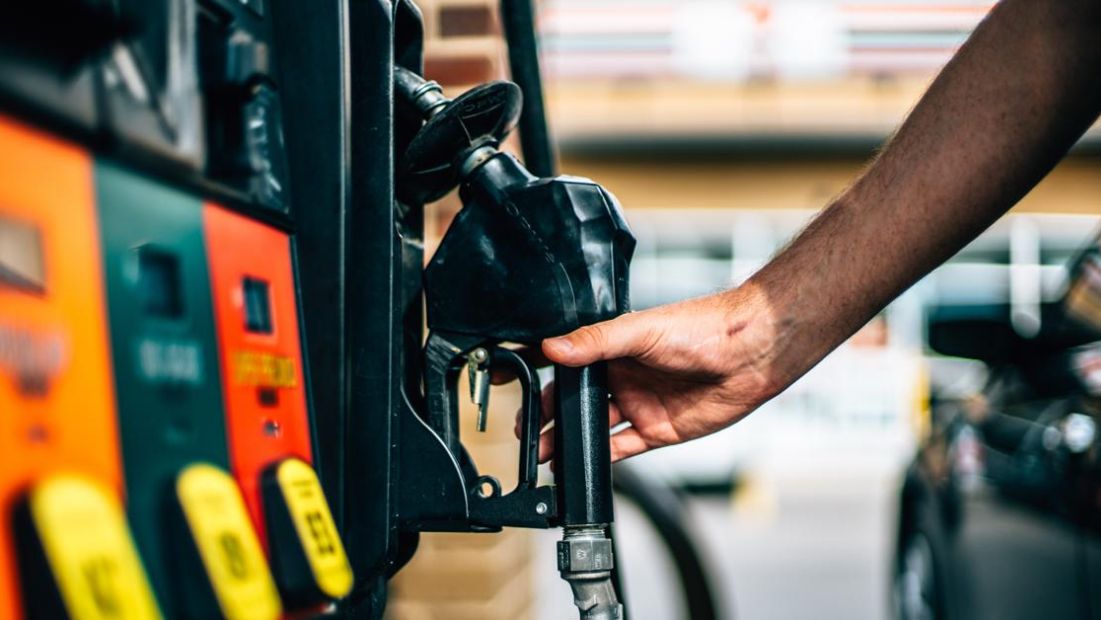

U.S. average retail diesel prices have climbed above $5 a gallon, a level reached only twice in U.S. history, as the U.S.-Israeli with Iran roils global fuel markets and tests the world economy’s resilience. The spike reflects a worsening supply shock tied to the conflict’s impact on Middle East exports—especially after Iran’s near-total disruption of tanker traffic through the Strait of Hormuz, a critical chokepoint for oil and refined products.
Diesel is not just another fuel at the pump. It is the backbone energy input for freight, farming, construction, and manufacturing, which means a rapid rise in diesel prices tends to spread through the economy faster than gasoline: higher trucking costs raise the price of moving everything from food and furniture to building materials, while higher farm fuel costs add pressure during planting and harvest seasons. This is why economists watch diesel closely as an “industrial” inflation signal—when diesel jumps, the risk of broader price increases rises as well.
The immediate driver is supply disruption, not just demand. Apparently, the Hormuz disruption has effectively halted an estimated 10%–20% of global seaborne diesel supplies, forcing refiners and traders to reroute flows and leaving buyers scrambling. The Middle East is a major supplier of both crude oil (used to produce diesel) and diesel itself, so the region’s export shortfall quickly tightens the global market. As shipments become harder to secure, prices increase not only from actual shortages but also from “risk premium” behavior—buyers paying extra to lock in cargoes before conditions worsen.
The diesel spike is arriving alongside higher gasoline prices, underscoring how widely the shock is spreading. The U.S. average gasoline price has risen to about $3.76 a gallon, the highest since October 2023. MarketWatch likewise reported a sharp month-over-month jump in fuel costs as the conflict pushed crude prices higher and markets began to price in prolonged disruption.
Governments have moved to cushion the blow, but relief is limited. In fact, global powers have turned to emergency measures, including large releases from oil reserves, yet prices continued to climb—an indication that reserve barrels can slow the spike but may not offset sustained disruption of a major shipping lane. Analysts cited in related coverage warn that as long as Hormuz remains impaired, fuel markets will struggle to normalize because there are few quick substitutes for the scale of exports that typically pass through the strait.
The economic stakes are significant. Rising diesel can slow global activity by squeezing margins for transport firms and manufacturers and by feeding consumer inflation through higher goods prices. This creates political risk as well, because households feel the impact directly at the pump and indirectly through higher prices in stores—exactly the kind of pressure that can shape public sentiment in an election year.