
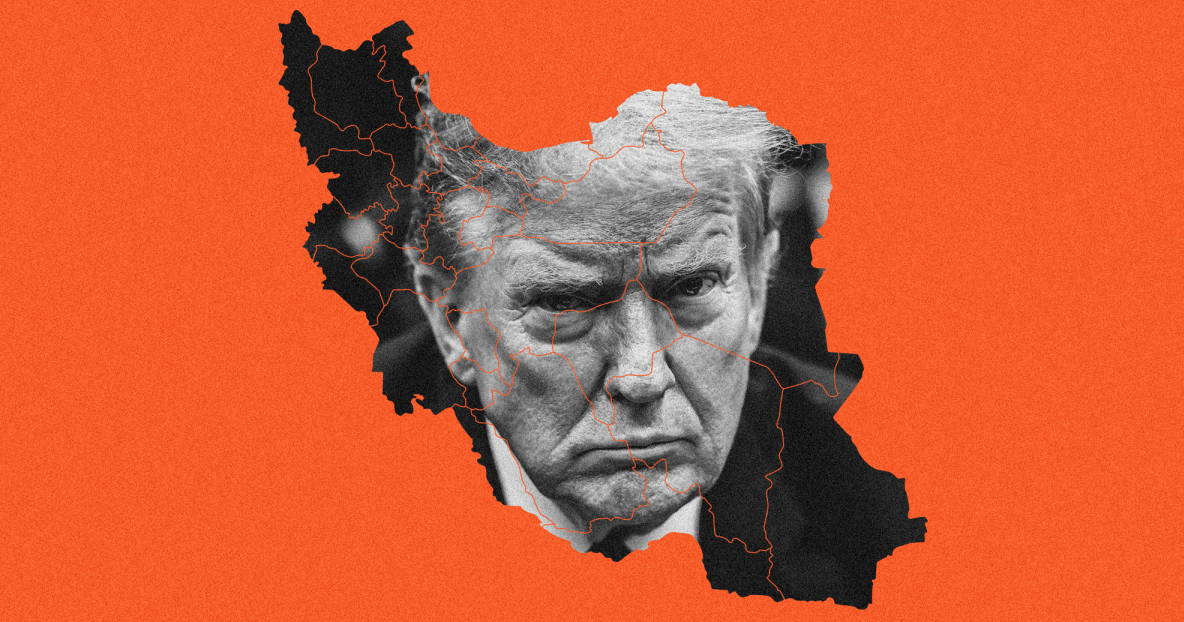

President Donald Trump’s decision to launch strikes against Iran—coordinated with Israel—represents the most consequential foreign-policy gamble of his second term, one that could either reinforce U.S. deterrence or spiral into a regional conflict that undermines his domestic agenda. The operation marks a sharp departure from Trump’s campaign posture as a dealmaker who promised to avoid new wars, and it places his presidency on a risk curve where outcomes depend heavily on Iran’s response and Washington’s next moves.
Trump was briefed ahead of the attack that it was essentially a “high risk, high reward” choice. U.S. military and national-security officials warned that Iran could retaliate across multiple theaters—through missiles, drones, proxies, and attacks on shipping—raising the possibility of a sustained escalation that would demand additional U.S. strikes and force the administration into an open-ended confrontation. At the same time, advocates of the operation argued that decisive action could degrade Iran’s capabilities, reassert U.S. credibility, and potentially shift Iran’s internal political trajectory.
This decision was strategically and politically loaded. Strategically, the administration’s stated logic is to remove or reduce an enduring security threat—especially tied to Iran’s military leadership and weapons infrastructure—while signaling that Washington will not tolerate what it portrays as Iranian aggression and nuclear ambition. But the premise carries uncertainty: airstrikes rarely produce predictable political change, and history offers limited precedent for outside bombing campaigns triggering stable, favorable outcomes inside targeted states.
Politically, the strikes test cohesion within Trump’s coalition—particularly among voters and lawmakers who strongly back him but are wary of foreign entanglements. That creates election-year exposure for Republicans as midterms approach, since any prolonged conflict could raise gasoline prices, increase economic uncertainty, and reawaken fatigue from earlier U.S. wars in the region.
A key near-term risk is escalation across the wider Gulf. If fighting expands, market impacts could compound quickly: disruptions to tanker traffic or regional production can drive oil price spikes, which in turn can feed global inflation and complicate central banks’ plans—exactly the kind of economic pressure that can boomerang back into U.S. politics.
Trump is wagering that the show of force will deliver strategic gains and deter Iran without pulling the U.S. into a broader war. Whether that bet pays off depends less on the first wave of strikes than on what follows—Tehran’s retaliation choices, Washington’s tolerance for prolonged escalation, and whether diplomacy can re-emerge before the conflict hardens into a new regional baseline.