
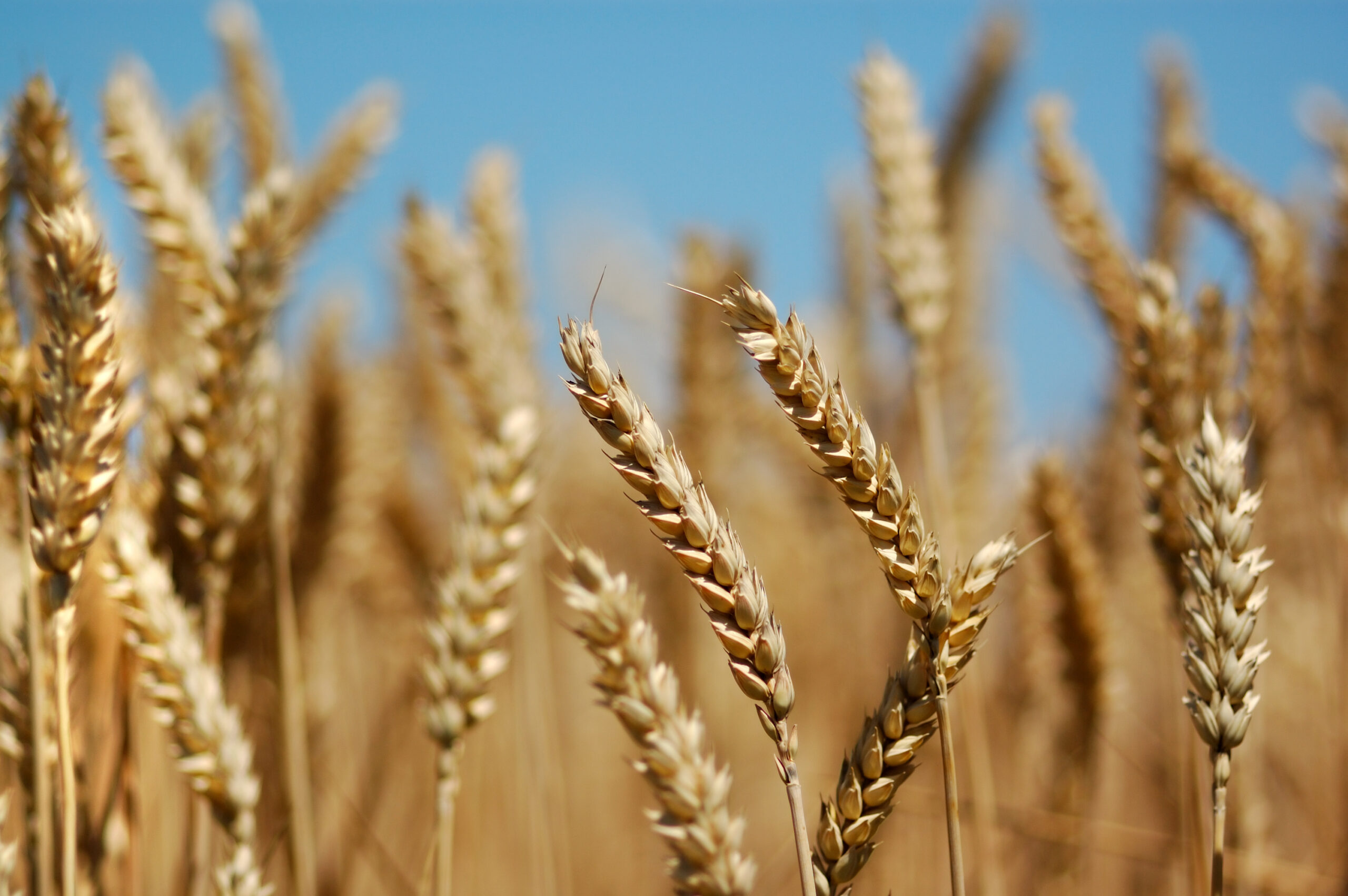

U.S. researchers and seed companies are betting that new wheat technology could help revive one of America’s most pressured farm sectors. Apparently, scientists are developing both hybrid wheat and genetically modified wheat in hopes of raising yields, improving drought tolerance and making the crop more profitable for farmers who have increasingly shifted toward corn and soybeans. The work reflects a broader effort to modernize wheat, a crop that has lagged behind others in agricultural innovation for decades.
The challenge is economic as much as scientific. U.S. wheat has been losing ground for years as growers face weaker demand, stronger foreign competition and lower returns than rival crops can offer. American farmers have reduced wheat planting while corn and soybean acreage expanded, and the United States has not held the title of world’s top wheat exporter since 2017. At the same time, per-capita flour consumption has followed a long downward trend, pressured further by gluten-free eating habits and fresh debate over federal dietary guidance.
Researchers believe hybrid wheat may offer one path forward. Hybrid seeds, which are already a major reason corn became so productive, can deliver higher and more stable yields, especially under harsh conditions like drought. Companies including Syngenta and Corteva are investing heavily in this area, hoping recent improvements in DNA sequencing and plant breeding can finally overcome the biological complexity that made hybrid wheat far harder to develop than hybrid corn. Corteva’s chief executive said the company’s hybrid hard red winter wheat could raise yields by about 20%, and the company plans a U.S. commercial launch in 2027.
Syngenta is already further along in the market. The company has been selling hybrid spring wheat seed in parts of the northern Plains since 2023, reaching roughly 12,000 to 15,000 acres in 2025. Even so, that remains only a tiny share of the nation’s roughly 45 million wheat acres, showing how early the transition still is. There is also a major financial question: hybrid wheat seeds may cost about twice as much as conventional seeds, so farmers will need proof that the higher yields are strong and consistent enough to justify the expense.
Genetically modified wheat could be an even bigger breakthrough, but it faces more obstacles because some experiments in Kansas using a drought-resistant trait called HB4, originally developed by Argentina’s Bioceres Crop Solutions, were developed. The USDA approved that wheat for U.S. production in 2024, yet none has been planted commercially in U.S. fields so far. Public researchers are still testing whether the trait works well in the wheat varieties grown on the U.S. Plains, and field trials are reportedly at least two years away. Commercial sales of GMO wheat in the United States may not happen until around 2030 or 2032 at the earliest.
Even if science succeeds, market acceptance remains uncertain. Wheat buyers have historically been more resistant to GMO products than buyers of corn and soybeans, in part because wheat goes directly into foods people consume. Export markets matter too: major buyers such as Japan and Mexico would need to accept GMO wheat before it could become a realistic large-scale business. In the end, the effort to reinvent wheat is a high-stakes gamble that new seed technology can arrive fast enough to restore profitability to a crop many U.S. farmers can no longer afford to prioritize.