

More than three dozen Democratic senators have opened an inquiry into a major policy change at the U.S. Environmental Protection Agency that could reshape how the government justifies (and potentially weakens) air-pollution rules. The senators say the agency’s new approach is “particularly troubling” because it abandons a long-standing practice of putting a monetary value on the public-health benefits of cleaner air—benefits that often drive the economic case for stricter standards.
At the center of the dispute is EPA’s decision—described in a regulatory impact analysis—to stop assigning a dollar value to health gains tied to regulations on fine particulate matter (PM2.5) and ozone. The agency argued that the estimates for these benefits contain too much uncertainty. In the past, EPA’s analyses commonly translated health outcomes into monetary terms, including fewer premature deaths and reduced illness such as asthma attacks, to compare the benefits of regulation against compliance costs.
The lawmakers argue that removing monetized health benefits from cost-benefit analysis effectively sets those benefits to “zero” in the math—even if the underlying harms remain real. In their letter, they warn this shift could lead EPA to reject measures that impose relatively small costs on polluters while delivering large public-health gains, including lives saved. They also contend the move conflicts with the purpose of federal clean-air law and undermines EPA’s core mandate to protect human health.
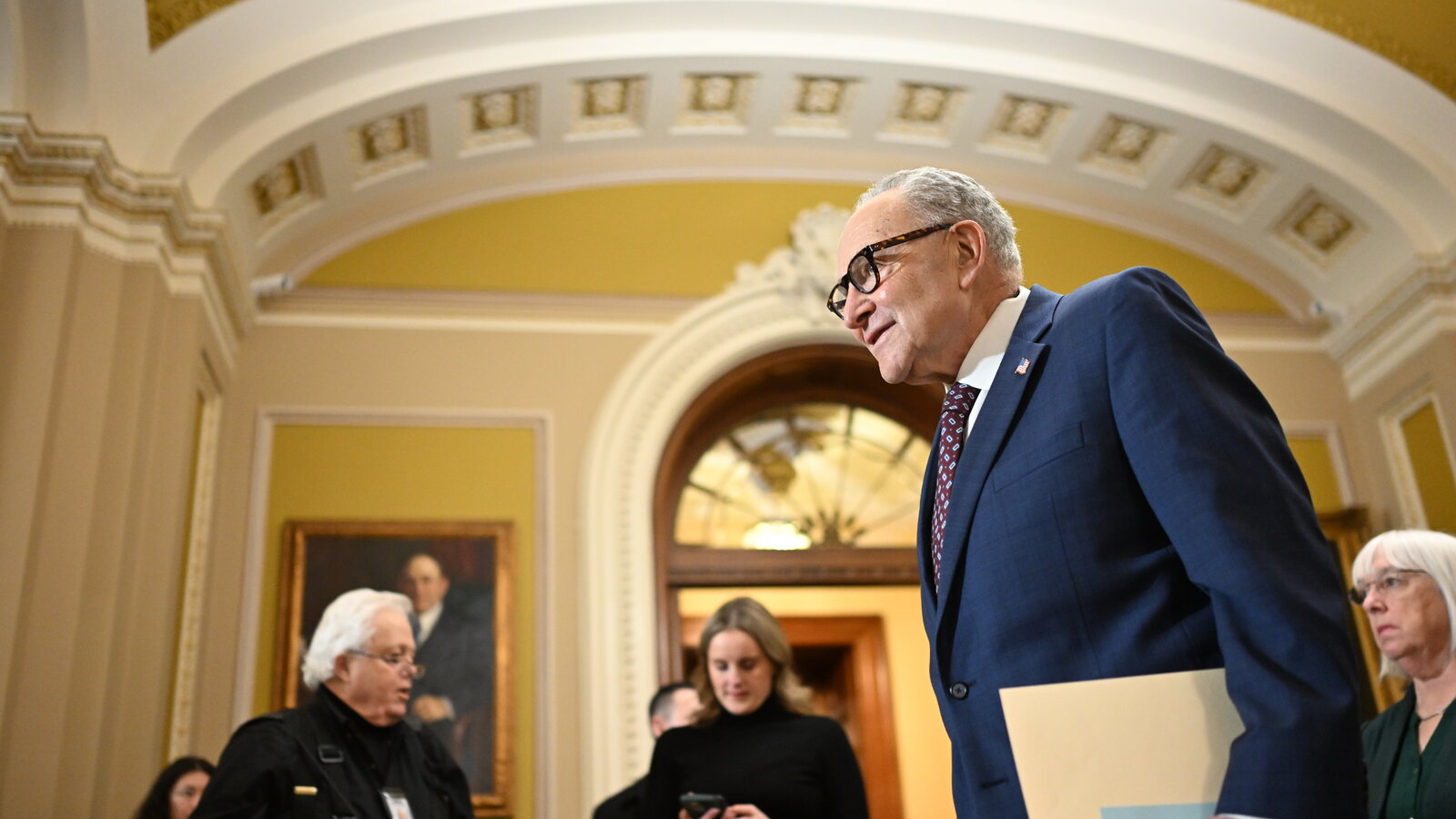
The inquiry is being led by Sheldon Whitehouse, the ranking member of the Senate Environment and Public Works Committee. Senators are demanding documents and a detailed explanation of how EPA reached its decision, with a requested response deadline of February 26, 2026.
Their questions go beyond the immediate change and probe whether the policy signals a broader retreat from health-based regulation. They ask what reasoning and evidence EPA relied on, which internal experts and offices were consulted, and what factors the agency will count as “costs” and “benefits” going forward in Clean Air Act rulemaking. They also want to know whether EPA has discussed ceasing to quantify health effects for other pollutants, and whether it consulted outside parties such as the U.S. Department of Health and Human Services, the U.S. Surgeon General, or public-health specialists. The senators additionally request records of communications with the White House, the Office of Management and Budget, and the fossil fuel industry related to the change.
The inquiry is part of a wider conflict over the Trump administration’s environmental agenda, coming days after Donald Trump’s EPA moved to revoke the 2009 “endangerment finding,” the legal foundation for regulating greenhouse gases—another step critics say weakens public-health protections and climate policy.