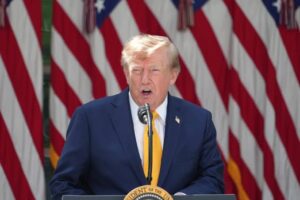
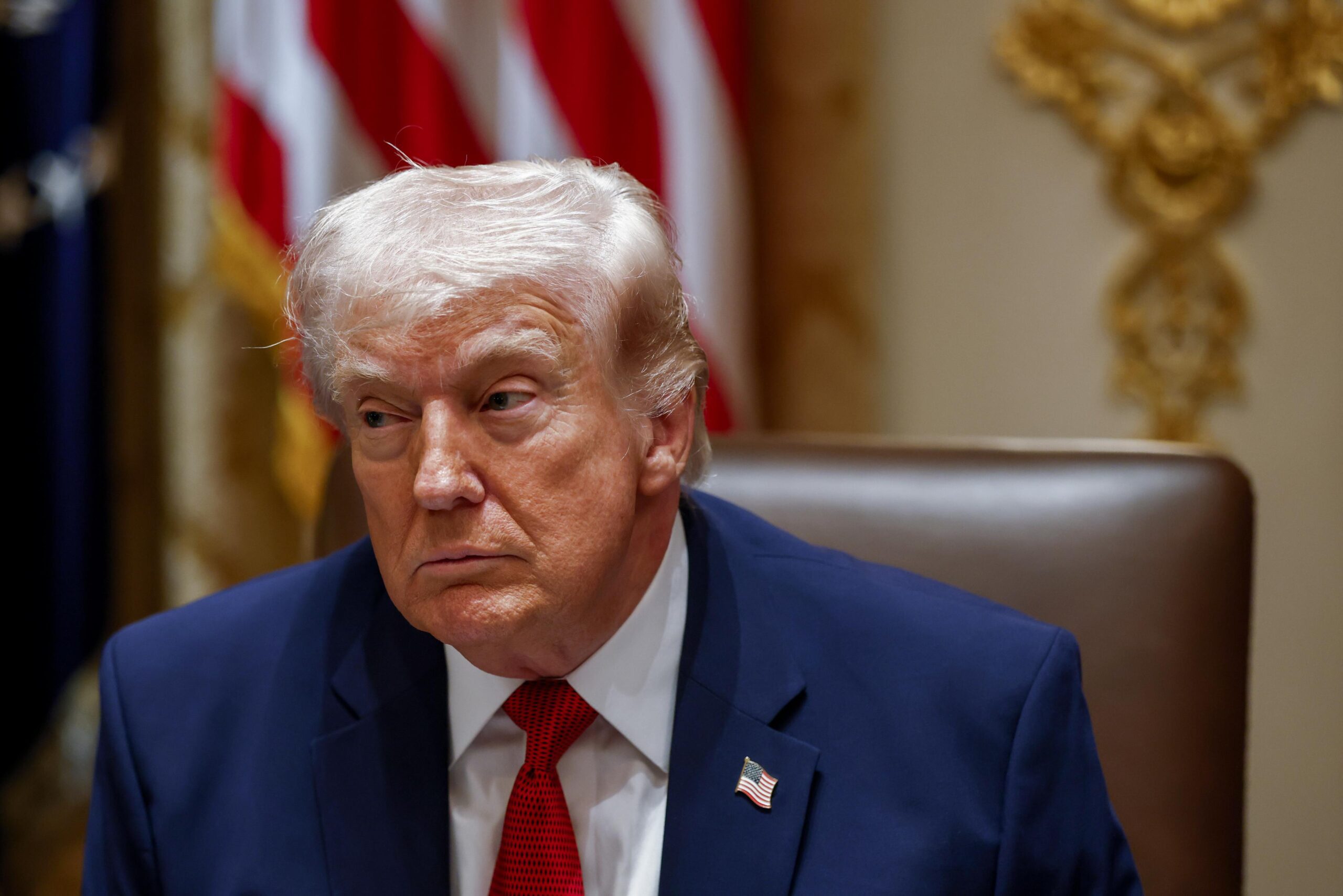

President Donald Trump has signed a short-term bill extending one of the U.S. government’s most controversial surveillance authorities until April 30, temporarily preventing the program from expiring but guaranteeing another fight in Congress within days. Trump approved the measure on Saturday April 18 after the Senate passed it Friday in a last-minute effort to keep the authority alive. The renewal is only temporary, making it less a final resolution than a pause in a long-running battle over national security and privacy.
At the center of the dispute is Section 702 of the Foreign Intelligence Surveillance Act. The provision allows the CIA, FBI, NSA and other agencies to collect and analyze large volumes of overseas communications without a warrant. In practice, that means U.S. intelligence agencies can monitor foreign targets abroad, but the program can also incidentally capture communications involving Americans when they are in contact with those targets. That feature is what has made Section 702 so politically explosive: supporters see it as essential to intelligence gathering, while critics argue it creates serious risks for civil liberties and privacy.
The temporary extension came only after broader renewal plans broke down. Trump and Republican leaders had been pushing for a clean 18-month extension, while House Republicans later proposed a five-year renewal with revisions designed to attract skeptical lawmakers. Neither of those efforts succeeded. After both collapsed, congressional leaders turned to the short stopgap bill that Trump eventually signed. That sequence shows how divided lawmakers remain, even among Republicans, over what rules should govern the surveillance authority going forward.
Critics of the program want stronger safeguards before they will support a longer renewal. One of the main proposed changes is a warrant requirement before authorities can access the emails, phone calls or text messages of Americans that are swept up under the program. For civil liberties advocates, that reform is crucial because they argue that incidental collection should not become a back door for warrantless searches of Americans’ communications. Supporters of the current system, by contrast, argue that the authority is too important to weaken and say it remains a necessary tool for protecting national security.
The political stakes are high because this debate keeps returning. The renewal of Section 702 as a recurring fight, and this latest short extension makes clear that Congress still has not found a lasting compromise between surveillance powers and privacy protections. The fact that lawmakers ended up with only a brief extension suggests they were more capable of postponing a crisis than solving the underlying disagreement.
Trump signed the bill without immediate public comment, even though he and Republican leaders had publicly backed renewal on national security grounds. The authority had been scheduled to expire on next Monday, so the signing prevented an abrupt lapse but left almost no breathing room before the next deadline.
Overall, this is a temporary victory for supporters of Section 702, not a permanent settlement. The surveillance tool remains in place for now, but Congress will soon have to revisit the same unresolved question: how much secret intelligence power the government should have, and what protections Americans should demand in return.