
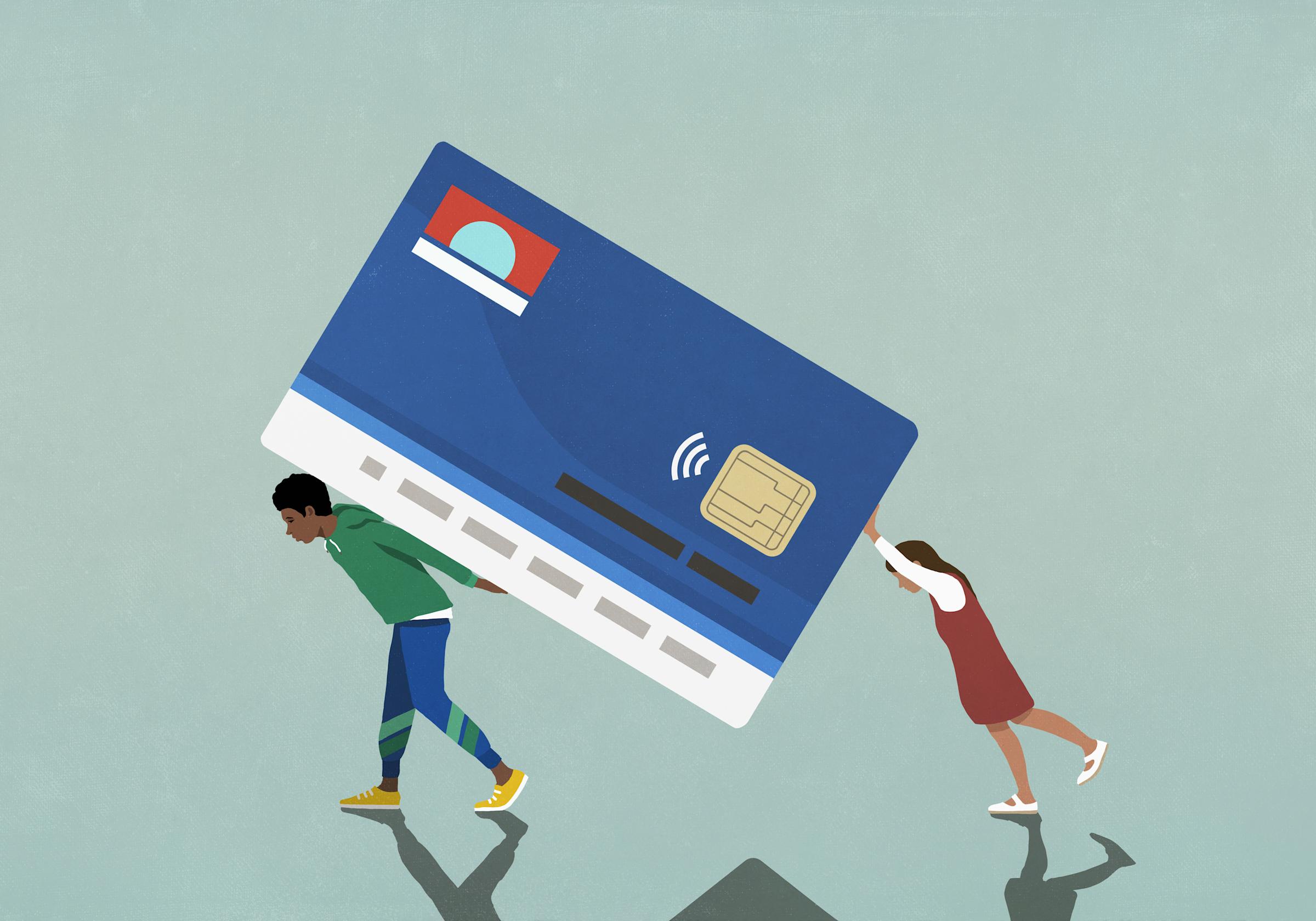

Many young Americans are struggling to reach financial independence as the cost of living rises faster than their wages, leaving them stuck between work, debt, rent, family support and uncertainty about the future. Young adults are entering adulthood in an economy that looks stable in some headline numbers but feels deeply unaffordable in daily life. A Generation Lab survey of more than 1,000 people ages 18 to 34 found that more than 80% describe the economy as “bad” or “terrible,” showing how sharply their experience differs from broader claims of economic strength.
The central issue is that basic milestones once associated with adulthood — moving out, renting comfortably, buying a home, saving money, building a career and planning a family — now feel delayed or unreachable for many young people. Housing is one of the biggest obstacles. High rents and home prices make it difficult for young adults to live independently, especially in cities where jobs are concentrated. Some are forced to live with parents or roommates longer than expected, not because they lack ambition, but because wages cannot keep up with the cost of rent, utilities, transportation and groceries.
Young workers such as Cloud Benn and Shaniya Taylor describe working multiple jobs, relying on family, or struggling to cover basic expenses while trying to build a stable life. Their experiences reflect a wider pattern: even when young people are employed, work does not always provide enough income to support true independence. That is especially true for those in low-wage jobs, unstable gig work or early-career roles where pay remains limited while living costs keep rising.
The pressure is not only financial but emotional. Many young adults feel that no matter how much they work, it is “never enough.” That feeling can affect mental health, career choices and long-term planning. If someone cannot save money, pay down debt or afford housing, they may delay marriage, children, education, business plans or relocation. In that sense, the affordability crisis is not only changing budgets; it is changing the life paths of an entire generation.
Experts warned that entering the workforce during a period of economic instability can have long-lasting consequences. Young people who begin their careers in weak or uncertain labor markets often face lower earnings for years, sometimes decades. Those setbacks can compound over time, making it harder to build wealth, qualify for mortgages, invest for retirement or recover from emergencies.
The burden is also unequal. Young adults from wealthier families may receive help with rent, education, cars, healthcare or down payments. Those without family support face a much harder road and may be more likely to take on debt or remain financially vulnerable. Systemic inequalities make the crisis worse for marginalized groups, who often face lower pay, fewer opportunities and higher exposure to unstable work.
Overall, the story shows that financial independence is becoming harder to achieve even for young Americans who are working, educated and trying to make responsible choices. The problem is not simply personal budgeting. It is a structural affordability crisis shaped by high housing costs, low wages, inflation, weak safety nets and limited career security. For many young adults, adulthood now feels less like a natural transition and more like an economic obstacle course.