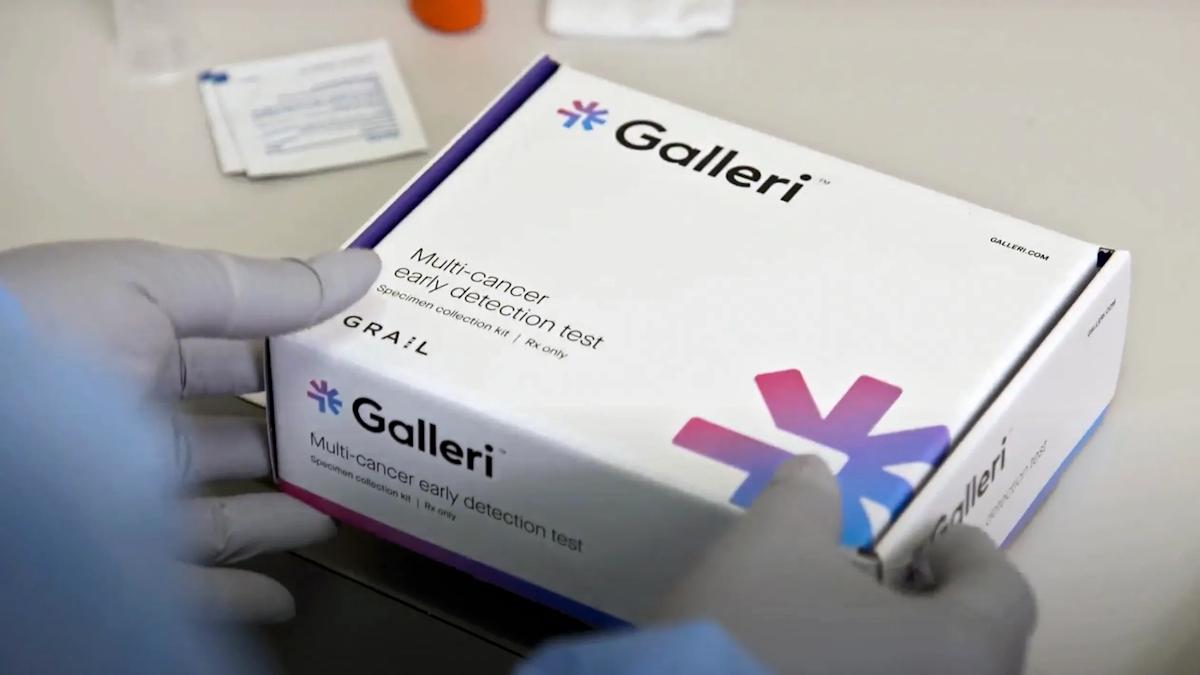

Grail’s ambitious effort to transform cancer screening is approaching a pivotal regulatory moment. The U.S. Food and Drug Administration has scheduled an advisory committee meeting for September 23, 2026, to evaluate the company’s Galleri multi-cancer early detection blood test. It will be the first FDA advisory panel convened to consider a premarket approval application for this emerging class of multi-cancer screening tests, making the decision potentially important not only for Grail but for the entire diagnostics industry.
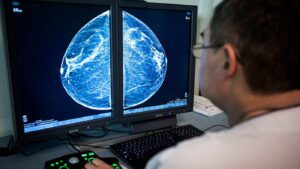
Galleri is designed to search a single blood sample for molecular signals associated with more than 50 types of cancer, including many cancers for which routine screening currently does not exist. The test analyzes patterns of DNA methylation circulating in the bloodstream and uses artificial intelligence to determine whether a cancer signal is present and predict where in the body that signal most likely originated. It is intended to supplement established screening methods such as mammograms and colonoscopies rather than replace them.
The potential appeal is enormous. Conventional screening programs focus on only a limited number of cancers, meaning many tumors are discovered only after symptoms develop. Grail argues that a simple blood test administered to people without symptoms could identify more cancers earlier, when treatment may have a greater chance of succeeding.
Galleri is already commercially available in the United States as a laboratory-developed test, but it does not currently have FDA approval. Grail submitted its premarket approval application in January 2026. Premarket approval represents the FDA’s most rigorous pathway for medical devices, requiring regulators to evaluate whether evidence demonstrates reasonable assurance of safety and effectiveness.
However, the FDA review arrives after a major clinical setback. Earlier this year, Grail announced results from its enormous randomized NHS-Galleri trial in England, involving roughly 142,000 participants. The study failed to achieve its primary objective of significantly reducing the overall incidence of cancers diagnosed at stages III and IV after three rounds of screening.
The findings were not entirely negative. By the third screening round, Galleri was associated with a 26% reduction in stage IV diagnoses among 12 particularly deadly cancers. Researchers also observed encouraging performance when the blood test was combined with existing screening programs. Those signals have allowed Grail to argue that the broader body of evidence still demonstrates meaningful potential for multi-cancer screening.
Another major study, PATHFINDER 2, produced promising diagnostic-performance results. The test achieved specificity of approximately 99.6%, meaning relatively few people without a detectable cancer signal received a positive result. Its positive predictive value was about 60.3%, while overall episode sensitivity was 39.3%, rising to 69.8% across 12 high-mortality cancers.
Those figures illustrate both Galleri’s promise and the questions regulators must confront. A test capable of detecting cancers without established screening programs could potentially save lives, but screening millions of healthy people also creates risks. False positives could expose patients to anxiety, imaging procedures, biopsies and unnecessary medical expenses. False negatives could provide reassurance despite an undetected cancer. Most importantly, detecting cancer earlier does not automatically prove that a screening test ultimately reduces cancer mortality. STAT has previously highlighted physicians’ concerns about introducing multi-cancer tests before their overall clinical benefits are fully established.
The FDA panel will therefore examine a complicated evidence package rather than a straightforward success or failure. Outside experts are expected to weigh Galleri’s diagnostic performance against the disappointing primary result from the NHS trial and consider whether the available evidence is sufficient for widespread screening of people without symptoms. The committee’s recommendation will not formally determine the FDA’s final decision, but such recommendations can carry considerable influence.
The commercial stakes are substantial as well. Federal legislation has created a potential pathway for Medicare coverage of FDA-approved multi-cancer early detection tests beginning in 2029 for certain beneficiaries, making regulatory approval potentially crucial to the development of a much larger market.
Overall, Galleri represents one of the most ambitious ideas in modern cancer diagnostics: using a routine blood draw to search simultaneously for dozens of cancers before symptoms appear. The September FDA meeting will test whether that technological promise is supported by sufficiently strong clinical evidence. Whatever regulators ultimately decide, the review could establish an important precedent for how the United States evaluates an entirely new generation of cancer-screening technology.