
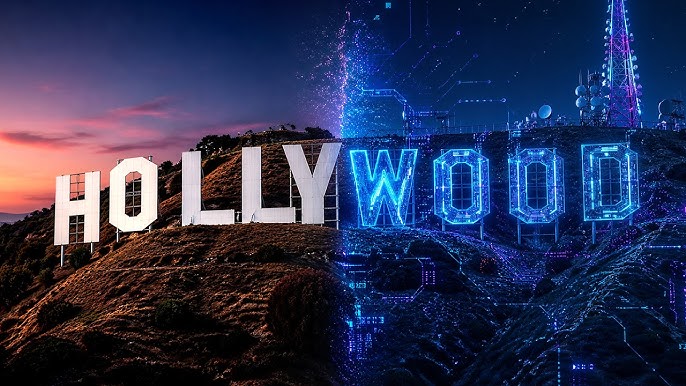

Hollywood has publicly positioned itself as one of the entertainment industry’s strongest critics of artificial intelligence, with actors, writers and studios frequently warning about its impact on creativity, copyright and employment. Yet behind the scenes, many of the same companies are steadily expanding their investment in AI by hiring specialists to integrate the technology into filmmaking and business operations. While public messaging emphasizes caution, the industry’s hiring practices reveal a more deliberate effort to prepare for an AI-driven future.
The job listings show that major studios and entertainment companies are recruiting professionals with expertise in machine learning, generative AI, data science and automation. These positions span a wide range of departments, including production technology, visual effects, marketing, software engineering, business operations and content management. Rather than replacing creative workers outright, many of these roles focus on developing tools that streamline repetitive tasks, improve production workflows and increase efficiency across studio operations.
The hiring trend reflects a more nuanced strategy than the industry’s public rhetoric might suggest. While studios have filed lawsuits against some AI developers over alleged copyright infringement and publicly supported protections for actors and writers, they also recognize that artificial intelligence is becoming an essential competitive technology. Executives increasingly view AI as a tool capable of reducing costs, accelerating production schedules and improving decision-making, even as they continue to stress that human creativity remains central to filmmaking.
One recurring theme identified in the hiring survey is the search for employees who understand both entertainment and artificial intelligence. Studios are looking for engineers capable of building AI systems, but they are also seeking creative professionals who can work alongside these technologies. This suggests that the industry expects future employees to combine artistic expertise with technical knowledge rather than treating AI as a completely separate discipline.
The findings also illustrate how AI adoption varies across Hollywood. Many companies are focusing on behind-the-scenes applications rather than using AI to generate complete films or replace actors. Artificial intelligence is increasingly being explored for editing assistance, visual-effects workflows, script analysis, production planning, localization, audience research and administrative tasks. These applications are generally viewed as less controversial because they complement existing work instead of directly replacing performers or writers.
Nevertheless, concern among creative workers remains high. The 2023 writers’ and actors’ strikes placed AI protections at the center of labor negotiations, leading to contractual safeguards governing the use of digital likenesses and AI-generated material. Many performers continue to worry that advances in generative AI could eventually reduce employment opportunities or weaken bargaining power. Recent examples of AI-generated replicas appearing in entertainment projects without clear consent have reinforced those fears and intensified calls for stronger protections.
Industry observers describe AI adoption as increasingly widespread but often understated. Some compare it to cosmetic surgery in Hollywood—widely practiced yet rarely discussed openly. Companies recognize that publicly promoting AI initiatives can provoke criticism from employees, unions and audiences, so many prefer to frame the technology as an internal productivity tool rather than a creative replacement for human talent.
Hollywood’s hiring patterns suggest that artificial intelligence is becoming a permanent part of the entertainment industry’s future despite ongoing public controversy. Rather than embracing AI without limits or rejecting it entirely, studios appear to be pursuing a middle path: investing in specialized talent, integrating AI where it improves efficiency and continuing to reassure creative professionals that storytelling will remain fundamentally human. The contrast between public skepticism and private recruitment highlights an industry carefully preparing for technological transformation while attempting to preserve trust among artists, audiences and employees.