
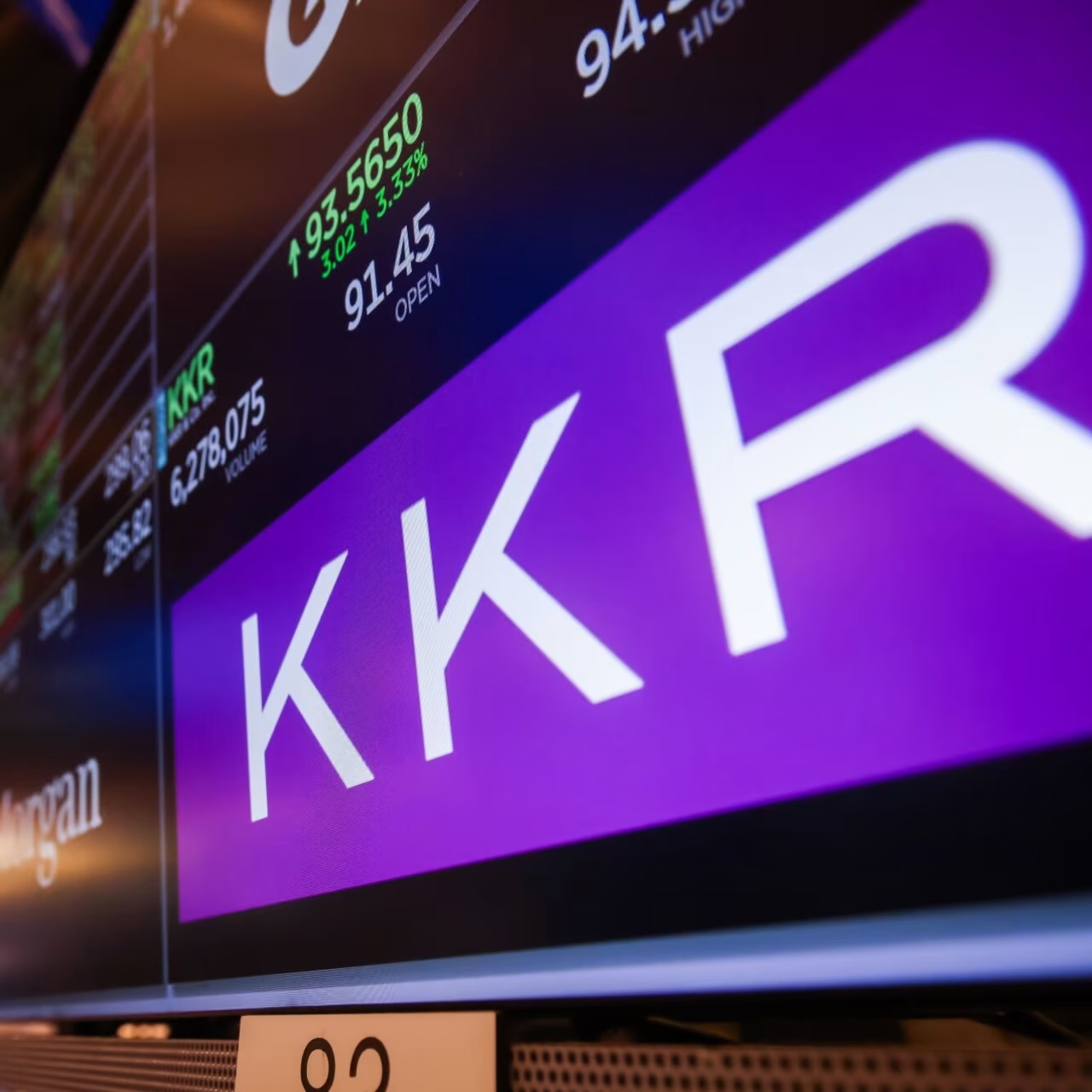

U.S. financial regulators are increasing scrutiny of investment structures used by major private equity firms, including Apollo Global Management and KKR, warning that increasingly interconnected financing arrangements could create hidden risks for investors and the broader financial system. Officials are particularly concerned about what they describe as “circular” investment structures, in which capital flows repeatedly among funds, affiliated companies and related investment vehicles, making it more difficult to determine where financial risk ultimately resides.
The concerns were raised by the Office of the Comptroller of the Currency (OCC) and other banking regulators, which have been reviewing how banks participate in financing transactions involving private credit funds, insurance companies and alternative asset managers. While these structures have become more common as private equity firms expand beyond traditional buyouts into lending, insurance and infrastructure, regulators worry that the increasing complexity may obscure leverage and amplify losses during periods of financial stress.
Private equity firms such as Apollo and KKR have evolved into diversified financial institutions managing hundreds of billions of dollars across multiple businesses. In addition to acquiring companies, they now own insurance operations, direct-lending platforms, real estate funds and infrastructure portfolios. These businesses often invest in one another or participate in related financing arrangements, creating networks of capital that regulators believe deserve closer examination.
A principal concern is that the same underlying assets or liabilities may indirectly support several different investment vehicles. For example, one affiliated fund may finance another, while insurance assets managed by the same parent company provide additional funding elsewhere in the organization. Although each transaction may comply with existing regulations individually, regulators fear the cumulative effect could make financial risks more difficult to identify and contain if markets deteriorate.
Officials also worry that banks providing financing to these firms may not always have complete visibility into the ultimate destination of borrowed funds. If exposures become concentrated among interconnected entities, a disruption affecting one business could spread more rapidly throughout the financial system than traditional risk models anticipate. Regulators argue that greater transparency is necessary to ensure lenders fully understand how capital moves within large alternative investment groups.
Apollo, KKR and other firms maintain that their investment structures are lawful, carefully managed and supported by robust internal risk controls. They argue that diversification across asset classes and business lines actually strengthens financial resilience by reducing dependence on any single market. Industry representatives also emphasize that private credit has become an increasingly important source of financing for companies as banks have reduced certain types of corporate lending following tighter post-financial-crisis regulations.
The regulatory debate comes as private credit has grown into one of the fastest-expanding areas of global finance. Large asset managers now compete directly with banks by providing loans to corporations, funding infrastructure projects and financing acquisitions. As these firms assume roles traditionally held by regulated financial institutions, policymakers are paying closer attention to whether existing oversight remains adequate.
Market participants generally do not expect immediate regulatory action against specific firms. Instead, the latest warnings signal that supervisory agencies may introduce stricter disclosure requirements, enhanced reporting standards or more detailed examinations of complex financing arrangements. Such measures would aim to improve transparency rather than prohibit the investment strategies themselves.
Supporters of the industry caution against excessive regulation, arguing that alternative asset managers have supplied critical financing to businesses during periods when traditional bank lending contracted. They contend that additional restrictions could reduce investment, increase borrowing costs and limit access to capital for growing companies.
Overall, the regulators’ concerns highlight a broader shift in financial oversight as private equity firms become increasingly central to global credit markets. While no evidence has emerged that Apollo, KKR or similar firms have violated regulations, officials believe the growing complexity of interconnected investment structures warrants closer supervision to ensure hidden leverage and systemic risks do not accumulate unnoticed.