
President Trump said the U.S. government will step in to coordinate the response to a major sewage leak into the Potomac River, describing the incident as an environmental emergency that demands federal involvement. Trump said federal authorities — including the Federal Emergency Management Agency — would intervene to help manage the cleanup and protect the capital region’s water supply.
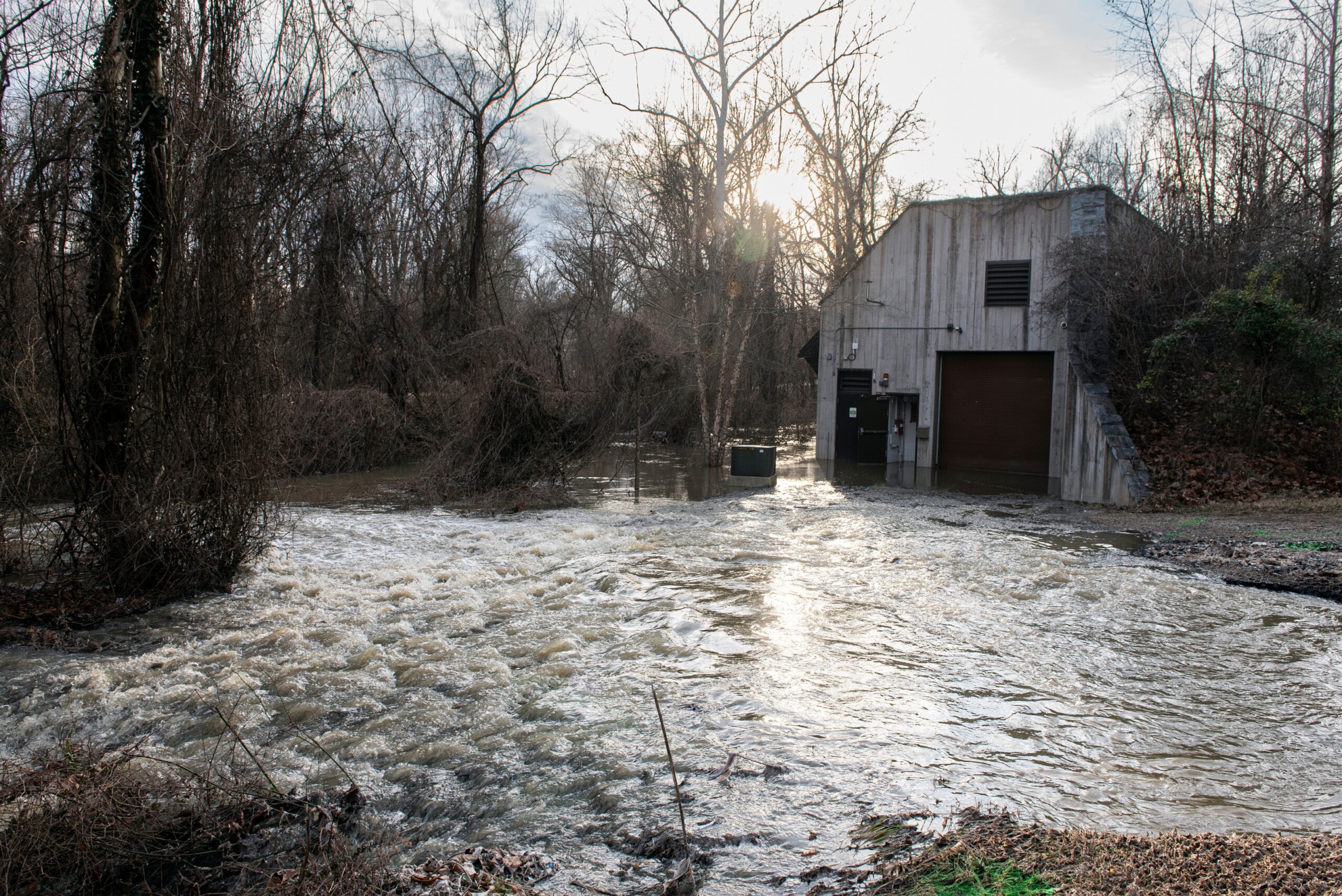
The spill traces back to January 19, when an aging sewer line collapsed in Montgomery County, releasing more than 240 million gallons of wastewater into the river, one of the largest sewage spills in U.S. history, according to the reporting. The rupture involved the “Potomac Interceptor” line, a key piece of infrastructure that carries wastewater toward treatment facilities serving the region. Researchers from the University of Maryland reported elevated levels of harmful pathogens, raising public-health alarms and intensifying scrutiny of how quickly repairs and containment are progressing.
While local officials said drinking water remained safe, health guidance has focused on limiting contact with contaminated river water during the response period. Officials emphasized the need to protect the broader water system for the region, even as the spill itself created immediate risks for recreation and ecosystems along affected stretches.
The federal move also sparked a political fight. Wes Moore criticized the administration for acting late and argued that the federal government bears responsibility because the interceptor line is a federal concern. The broken pipe is tied to the DC Water system and sits within a web of federal oversight.
The Environmental Protection Agency has remained involved but deferred participation in a legislative hearing while pointing to the “lead roles” of DC Water and Maryland authorities.
Beyond the immediate cleanup, the episode has become a proxy battle over federal authority and crisis management. Trump’s decision fits a pattern of using federal powers in Democratic-led jurisdictions — a posture that critics label political overreach, even as the administration argues such interventions are necessary to safeguard public welfare and infrastructure.
Overall, the story combines three pressures at once: a large-scale infrastructure failure with serious environmental and health implications; uncertainty about timelines for repair and restoration; and a high-stakes political blame contest over who controls the region’s critical sewer assets.