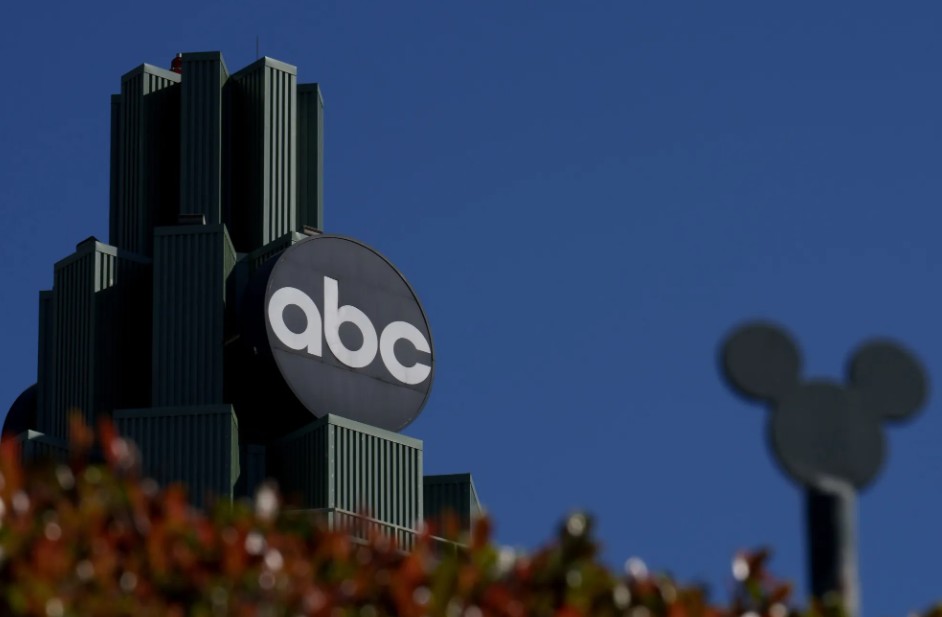

A U.S. federal judge has blocked the Federal Communications Commission (FCC) from proceeding with an early review of eight television broadcast licenses owned by ABC and its parent company, The Walt Disney Company. The ruling, issued on November 25, 2026, represents a significant development in the legal dispute over government regulatory authority, media independence, and constitutional protections for freedom of speech.
U.S. District Judge Loren AliKhan granted a preliminary injunction preventing the FCC from advancing licensing proceedings that could have resulted in the revocation of broadcast authorizations. The decision allows the affected television stations to continue operating without facing the extraordinary early renewal process.
The controversy began in April 2026, when FCC Chairman Brendan Carr ordered ABC-owned television stations to submit renewal applications ahead of their established deadlines. Under normal regulatory procedures, the earliest renewals were scheduled for 2028.
The FCC maintained that its investigation concerned potential violations of federal regulations, including allegations of discriminatory corporate employment practices. Federal broadcast licenses generally remain valid for eight years, although the commission possesses regulatory authority to request early renewals under certain circumstances.
However, Disney and ABC filed a federal lawsuit in August, arguing that the licensing review constituted political retaliation for broadcasting content critical of President Donald Trump and his administration.
The dispute intensified following controversies involving late-night television host Jimmy Kimmel and the daytime television program The View. Trump had publicly criticized ABC’s programming and called for Kimmel’s dismissal shortly before the commission initiated its extraordinary licensing proceedings.
In her ruling, AliKhan concluded that the broadcasters were likely to prevail on their First Amendment claim. The judge considered the potential consequences of regulatory retaliation for constitutionally protected expression and editorial independence.
ABC welcomed the ruling as an important victory for constitutional freedoms. Meanwhile, the FCC disputed the court’s conclusions and reiterated its commitment to enforcing broadcasters’ legal obligations to serve the public interest.
Nevertheless, the injunction does not prevent the commission from exercising all its regulatory responsibilities. The judge declined ABC’s broader request to prohibit potential future government actions aimed at influencing its editorial decisions, noting the absence of sufficiently specific additional threats.
The legal dispute carries important implications for America’s broadcasting industry. Television networks depend on federally regulated broadcast frequencies, making the relationship between government oversight and editorial independence particularly significant.
For media companies, uncertainty surrounding broadcast licenses can create financial and operational risks, potentially affecting advertising agreements, investment decisions, programming strategies, and long-term business planning.
The case also highlights the distinction between legitimate regulatory enforcement and government actions that could improperly influence editorial content. While broadcasters must comply with applicable federal laws, constitutional protections establish limits on government interference with protected expression.
Ultimately, the preliminary injunction represents an important but not definitive development in the dispute between Disney, ABC, and federal regulators. As litigation continues, the case could help clarify the boundaries of government authority over American broadcasters, with broader implications for press freedom, corporate independence, constitutional rights, and the future of media regulation in the United States.