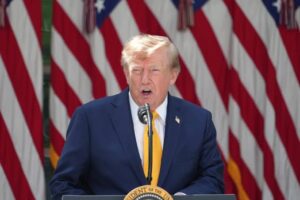
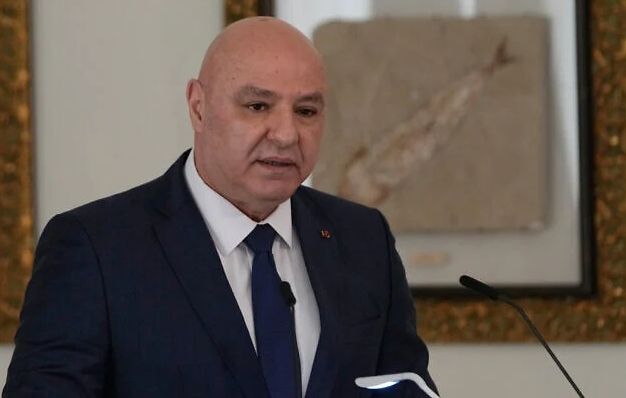

Lebanese President Joseph Aoun is preparing for a historic White House meeting with U.S. President Donald Trump, hoping to obtain stronger American pressure on Israel to withdraw its forces from southern Lebanon and support Beirut’s plan to disarm Hezbollah. The visit will be the first by a Lebanese president to the White House in nearly two decades and Aoun’s first face-to-face meeting with Trump.
Aoun is expected to present a written proposal explaining how the Lebanese government intends to dismantle Hezbollah’s extensive weapons network and restore the state’s control over national security. Lebanese officials believe Trump is the only international leader with enough influence over Israel to secure a meaningful troop withdrawal and advance the implementation of a U.S.-brokered agreement reached on June 26.
That agreement calls for the gradual disarmament of Hezbollah, the progressive withdrawal of Israeli forces and the creation of conditions that could eventually produce peaceful relations between Lebanon and Israel. However, the plan faces major political and security obstacles. Israeli troops continue to occupy part of southern Lebanon, hundreds of thousands of Lebanese residents remain displaced, and Hezbollah has strongly rejected both direct negotiations with Israel and government efforts to remove its weapons.
Aoun’s presidency represents a significant shift in Lebanon’s political balance. A former commander of the U.S.-supported Lebanese army, he was elected after Hezbollah had been weakened by Israel’s 2024 military campaign and by the removal of Syrian President Bashar al-Assad, one of the group’s most important regional allies. At his inauguration, Aoun pledged to establish the state’s exclusive authority over weapons, directly challenging Hezbollah’s longstanding military independence.
Lebanese troops subsequently deployed across the south and began collecting Hezbollah weapons caches under the terms of the ceasefire that ended the 2024 conflict. That process initially proceeded without major resistance from the weakened organization. However, the situation deteriorated sharply in March 2026, when Hezbollah attacked Israel in support of Iran during a U.S.-Israeli military confrontation with Tehran.
Israel responded with an intense air and ground campaign. According to Lebanon’s Health Ministry, the fighting has killed more than 4,300 people, including nearly 800 women, children and medical personnel. The ministry’s figures do not distinguish between civilians and combatants, while Hezbollah has not disclosed how many of its fighters have died.
Following the escalation, Aoun made the unprecedented decision to call for direct talks with Israel. That position marked a dramatic departure for a country repeatedly invaded by Israel since 1978 and produced the highest-level direct contacts between the two governments in decades. Hezbollah and its allies strongly criticized the initiative, but Aoun defended it and accused the group of dragging Lebanon into a destructive war for Iran’s benefit.
Despite supporting negotiations, Aoun has not accepted Trump’s suggestion that he meet directly with Israeli Prime Minister Benjamin Netanyahu. His strategy appears to be centered on using Washington as an intermediary while avoiding a politically explosive summit that could undermine him at home.
Aoun’s military background strengthens his credibility with the United States. He previously led Lebanon’s army during operations against Islamic State militants near the Syrian border and guided the institution through the country’s devastating financial collapse after 2019. During that crisis, he publicly warned that economic conditions threatened the survival of the armed forces and criticized political leaders for allowing soldiers and civilians to fall into poverty.
Overall, the White House meeting could become a defining moment for Lebanon. Aoun is seeking American backing for an ambitious effort to restore state authority, remove Israeli troops and prevent Hezbollah from operating as an independent armed force. Success could strengthen Lebanon’s sovereignty and reduce the risk of another war. Failure could leave the country divided, occupied and vulnerable to further regional conflict.