
Texas lawmakers are proposing legislation to restrict the expansion of artificial intelligence-powered surveillance cameras after an investigation revealed that more than $30 million in public funding helped establish a vast vehicle-tracking network across the state.
The proposals, introduced ahead of the 2027 legislative session, target automated license plate readers operated by Flock Safety, a technology company whose cameras are widely used by law enforcement agencies.
The debate raises fundamental questions about public safety, government accountability and the privacy of millions of motorists. The controversy began with a Texas Tribune investigation into the Motor Vehicle Crime Prevention Authority, a state agency responsible for supporting efforts to combat vehicle-related crime.
In 2023, lawmakers approved a $1 annual fee on automobile insurance policies to strengthen programs addressing catalytic converter theft. However, investigators discovered that the authority had directed more than $30 million toward installing at least 3,200 Flock cameras.
State Senator Carol Alvarado, who sponsored the original insurance-fee legislation, expressed concern that lawmakers had not specifically authorized such an extensive surveillance network. She subsequently introduced Senate Bill 232, which would prohibit the agency from financing roadside automated license plate readers.
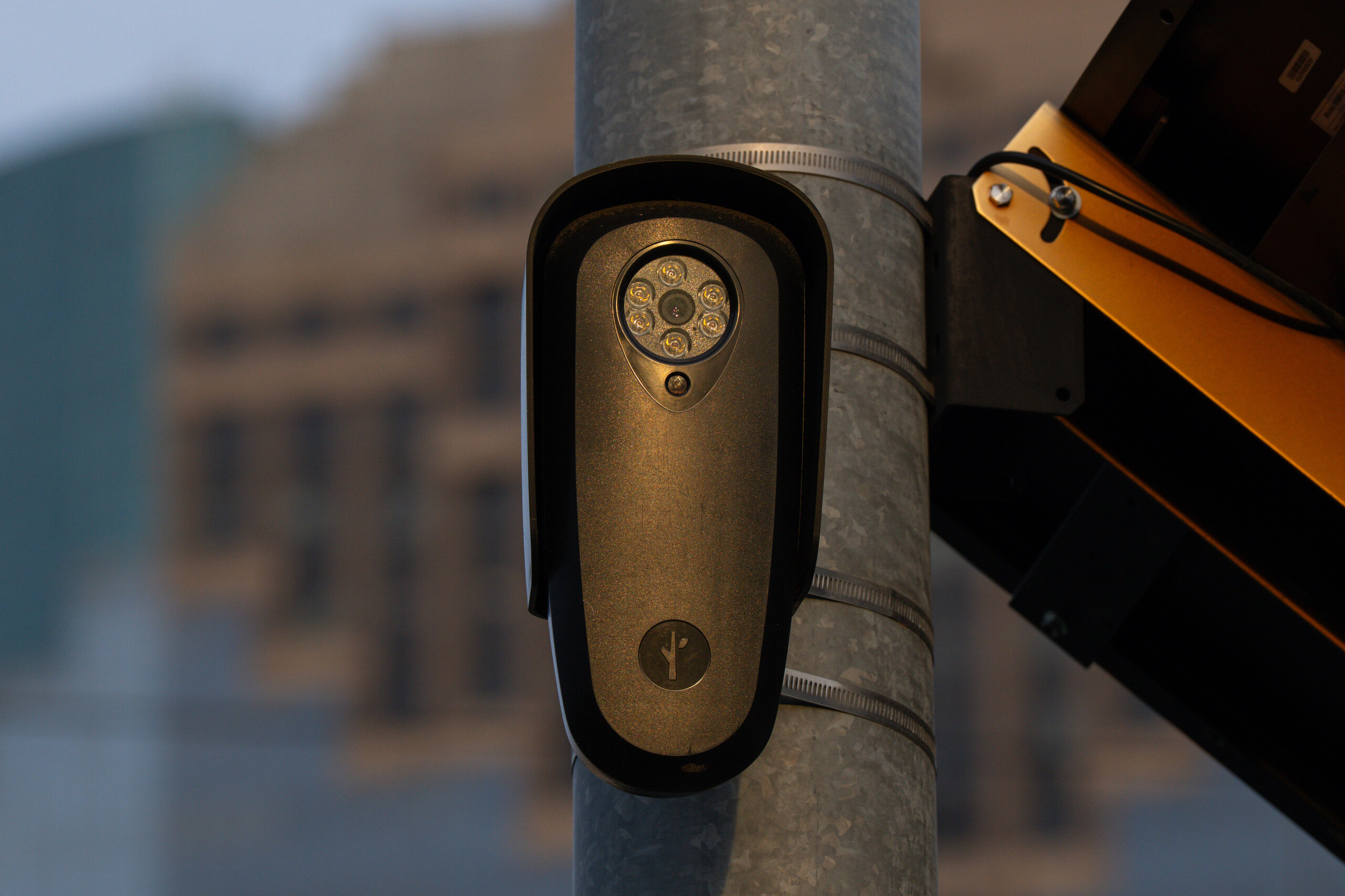
Three Democratic senators joined as co-authors. Flock cameras capture license plates and identifying vehicle characteristics, including color, model, bumper stickers and visible damage.
The information can be searched across interconnected databases, allowing police departments to reconstruct vehicle movements over time. Supporters argue that the technology helps investigators identify stolen vehicles, locate suspects and solve serious crimes.
Privacy advocates, however, warn that widespread deployment could enable authorities to monitor ordinary residents without individualized suspicion. By late August, Texas had approximately 13,000 Flock cameras, although that number has since declined.
The Texas Department of Public Safety also benefited from the funding program. A $15.9 million contract was intended to support more than 1,200 cameras, with 940 ultimately installed using those funds. Law enforcement agencies nationwide accessed the department’s network approximately once every four seconds during June.
The frequency of those searches intensified concerns about data sharing, oversight and potential misuse. Critics argue that the ability to track vehicles across jurisdictions creates surveillance capabilities that existing privacy protections may not adequately address.
Lawmakers have introduced four bills addressing automated license plate readers. Senate Bill 232 would eliminate the disputed state grants. Representative John Bucy’s proposal would prohibit public agencies from using the technology. Representative Mary González has introduced legislation requiring police to obtain a warrant before searching license plate reader databases.
Republican Representative Brian Harrison has proposed similar warrant requirements while limiting searches to investigations involving violent crimes. These proposals demonstrate that concerns about surveillance extend beyond traditional partisan divisions. Former Governor Greg Abbott ordered a freeze on state funding for Flock cameras in August after questions emerged about the program.
Several municipalities subsequently reconsidered their contracts. Governor-elect Gina Hinojosa, who opposed the camera network during her campaign, has also criticized the spending and questioned whether the installations were properly authorized.
Her incoming administration could influence how aggressively Texas pursues surveillance restrictions. However, the proposed bills must still move through the legislative process before becoming law. The controversy highlights a growing challenge for governments adopting advanced surveillance technology.
Automated cameras can provide valuable investigative information, but their expanding capabilities raise questions about proportionality, transparency and constitutional protections.
Texas lawmakers must now determine whether stricter funding controls, judicial warrants or broader prohibitions offer the most appropriate response.