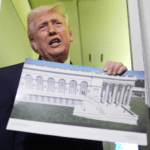
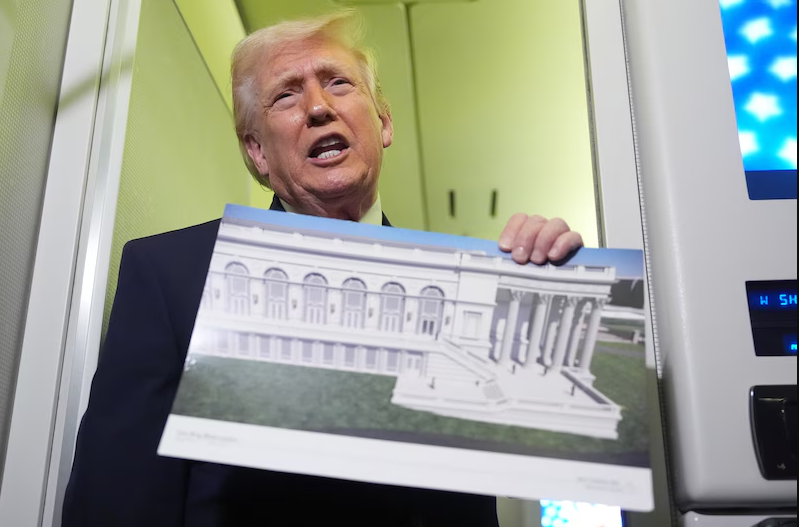

President Donald Trump said the new White House ballroom project is moving faster than expected and costing less than planned, even as the construction faces legal and political opposition. Speaking aboard Air Force One on March 29, Trump said the ballroom was “ahead of schedule and under budget,” and pointed to new renderings as he defended the project. The ballroom plan required the demolition of the White House East Wing, making it one of the most controversial building changes to the presidential complex in recent memory.
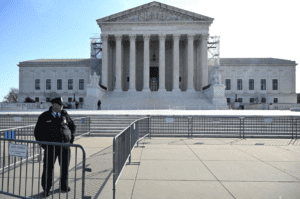
The project has drawn sharp criticism not only because of its scale, but also because of concerns about how it was approved. The National Trust for Historic Preservation filed a lawsuit arguing that the administration bypassed required review procedures and public input before moving forward. A federal judge said he would decide by the end of March 2026 whether to issue an injunction that could temporarily halt the project while the legal case continues. That means the ballroom’s future is not entirely secure, even though construction is already underway.
Trump has framed the project as both practical and symbolic. He described the structure as a kind of “shed” for a much larger underground military-related complex being built beneath it. He also emphasized its security features, saying the ballroom would include high-grade bulletproof glass and a roof designed to resist drone threats. Trump argued those precautions reflect modern realities, saying the country now lives in an age where such protections are necessary. The description suggests that, in his view, the ballroom is not simply a ceremonial addition but part of a broader effort to harden the White House complex against contemporary security risks.
One of the key claims surrounding the project is how it is being paid for. Trump has previously said private donations will cover the full $400 million cost of the ballroom. That is a notable point because critics might otherwise object to using taxpayer money for such a large and controversial redesign of a historic national landmark. By presenting the ballroom as privately funded, Trump and his allies appear to be arguing that the project should be viewed more as a presidential initiative backed by supporters than as a traditional government construction program.The ballroom represents Trump’s broader effort to reshape Washington during his current term.
Even so, the project still raises larger questions about preservation, precedent, and presidential power. The White House is both a working government building and a symbol of national history, which means changes to it often carry cultural and political meaning far beyond architecture. The demolition of the East Wing, in particular, has become a focal point for people who believe the administration moved too aggressively and did not respect historic review norms. Apparently, the White House has stated the project should be finished “long before the end” of Trump’s term.
Overall, the ballroom fight reflects more than a dispute about construction timing. It combines legal conflict, historical preservation concerns, questions about executive decision-making, and Trump’s desire to leave a visible mark on the White House itself. For supporters, the project may represent modernization, security, and ambition. For critics, it raises alarms about transparency and the treatment of a nationally significant site. With construction moving ahead but a court decision still pending, the ballroom has become another flashpoint in the larger struggle over how Trump governs and how far a president should go in reshaping the institutions and symbols of American power.