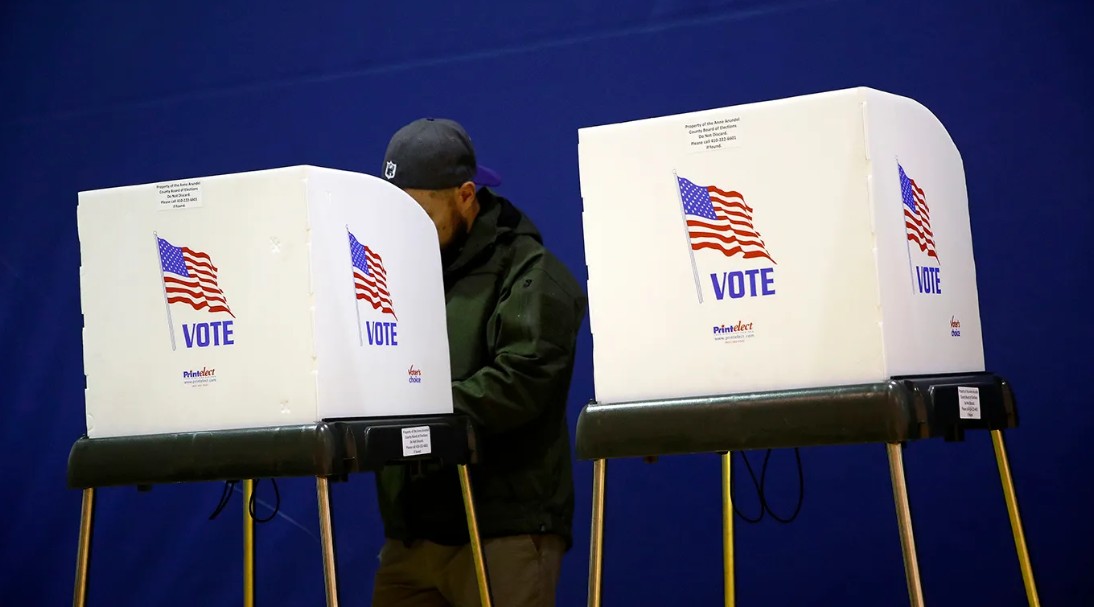

The Trump administration has asked the U.S. Supreme Court to revive a controversial federal system designed to help states verify the citizenship of people on voter rolls, escalating a major election-law dispute less than two months before the November 3 midterm elections. The request could significantly expand the federal government’s role in determining voter eligibility while raising concerns about privacy and the possibility that legitimate voters could be incorrectly removed from registration lists.
At the center of the dispute is the Systematic Alien Verification for Entitlements database, known as SAVE, operated by the Department of Homeland Security. The system historically helped government agencies verify a person’s citizenship or immigration status when determining eligibility for public benefits.
The Trump administration substantially redesigned SAVE in 2025, transforming it into a tool that states could also use to check voter-registration records.
Among the most important changes was the ability to perform bulk searches involving large numbers of people rather than checking individuals separately. The revamped system also gained access to Social Security information, allowing states to compare voter records against federal citizenship and immigration data.
Several Republican-led states subsequently began using the database to examine their voter rolls. Some canceled voter registrations after SAVE identified individuals as possible noncitizens.
Supporters argue that the system provides states with an important tool for ensuring that only U.S. citizens participate in federal elections. The Trump administration says preventing federal agencies from using Social Security information undermines election integrity and interferes with the government’s ability to respond when states request citizenship verification.
But voting-rights and privacy organizations argue the system is too unreliable for such a consequential purpose.
One major concern involves naturalized Americans. Federal immigration databases can contain outdated information, meaning someone who previously entered the country as a noncitizen but later became a U.S. citizen could potentially still appear in government records as a noncitizen.
Advocacy groups say such errors have already resulted in eligible Americans being incorrectly flagged and, in some cases, removed from voter rolls.
The controversy reached federal court earlier this year.
In June, U.S. District Judge Sparkle Sooknanan in Washington blocked the administration’s mass voter-verification system. She concluded that the revamped database had been assembled in a way that created serious reliability problems and could jeopardize eligible voters.
The case also involves important privacy questions.
A federal appeals court subsequently concluded that the government’s use of Social Security information through SAVE violated federal law by improperly sharing private information involving millions of Americans. Judges also warned that inaccurate citizenship records could force legitimate voters to prove their citizenship simply to remain registered.
On September 4, the U.S. Court of Appeals for the District of Columbia Circuit refused, in a 2-1 decision, to suspend the lower court’s ruling.
Chief Judge Sri Srinivasan and Judge Robert Wilkins, both appointed by President Barack Obama, formed the majority. Judge Gregory Katsas, a Trump appointee, dissented.
The administration has now turned to the Supreme Court.
Justice Department lawyers called the lower court’s decision “indefensible” and argued that preventing the federal government from using Social Security data threatens the integrity of upcoming elections. The administration wants the justices to suspend Sooknanan’s ruling while the underlying litigation continues.
The timing dramatically increases the stakes.
Republicans are fighting to maintain their narrow congressional majorities in the November 3 midterm elections, meaning disputes over voter registration, mail ballots and election administration could have national political consequences.
Critics of the administration contend that Republican efforts to expand citizenship checks are less about preventing illegal voting than reducing participation among groups more likely to vote Democratic. The administration rejects that characterization and frames its policies as necessary election-security measures.
The SAVE dispute is also part of a broader Trump administration effort to reshape federal involvement in elections. The administration has separately asked the Supreme Court to permit implementation of new Postal Service requirements affecting mail-in ballots after lower courts blocked those measures.
The Supreme Court’s eventual response could therefore have consequences extending well beyond one government database.
The fundamental question is how aggressively governments may attempt to prevent ineligible people from voting when the verification systems themselves can make mistakes.
Supporters of SAVE emphasize election integrity and citizenship requirements. Opponents emphasize privacy, accuracy and the constitutional importance of protecting eligible Americans from wrongful disenfranchisement.
With the midterms rapidly approaching, the Supreme Court is now being asked to determine whether the Trump administration can restore one of its most powerful new voter-verification tools—and potentially reshape how states scrutinize millions of voter registrations before Americans head to the polls.