
House Republicans are scrambling to keep President Donald Trump’s legislative agenda on track as rising political headwinds—especially voter anxiety about the cost of living and fallout from the U.S.-Israeli war with Iran—threaten their narrow House majority ahead of the November 2026 midterms. GOP lawmakers gathered at Trump’s Doral golf club in Florida to map out a path forward, but Trump used the meeting to deliver an ultimatum: he wants sweeping new voting restrictions enacted first, and he warned he would refuse to sign other legislation until Republicans deliver.
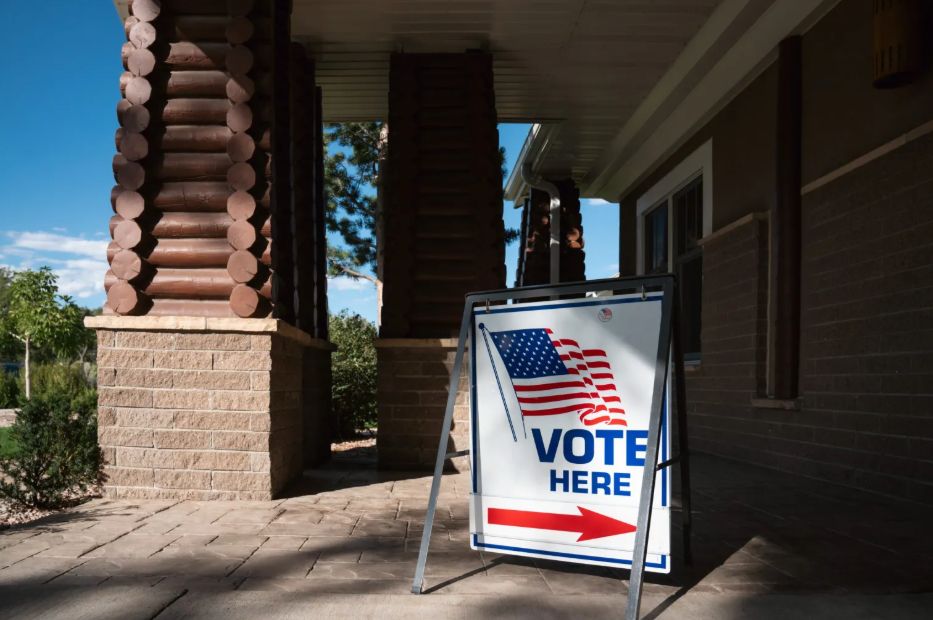
At the center of Trump’s demand is the SAVE America Act, which would tighten voting rules nationwide. The legislation would require proof of citizenship when registering to vote, require photo ID before casting ballots, and restrict mail-in voting. Trump argued such measures would “guarantee” midterm success for Republicans, framing the bill as the key to victory rather than simply an election-policy change. The bill originated two years ago amid Trump’s false claims that non-citizens were voting in U.S. elections—something election officials and independent researchers have found to be extremely rare, and already illegal in federal elections.
Democrats and voting-rights advocates say the bill’s real effect would be to suppress turnout, particularly among eligible voters who might struggle to navigate new documentation requirements, and to deepen public doubts about U.S. election integrity. The House passed the legislation last month, but it faces a steep climb in the Senate, where the filibuster would require 60 votes and Republicans hold a 53–47 majority.
Trump also pushed for changes designed to broaden the bill’s appeal with conservative voters: he wants Speaker Mike Johnson to revise the measure to add bans on transgender women in women’s sports and restrictions on gender-affirming surgery for minors, arguing these additions would make it easier to pass Congress.
Even as energy prices surged amid the Iran war, Trump largely avoided that topic in his remarks to lawmakers. Instead, he urged Republicans to move legislation he says would address affordability—such as codifying his approach to lowering drug prices and limiting institutional investors’ role in housing—because Republicans recognize that healthcare and housing costs are dominating voter concerns. Democrats currently hold a slight edge over Republicans on cost-of-living, adding to GOP anxiety.
With immigration legislation stuck and a broader stalemate over Homeland Security funding, House Republicans are looking to budget reconciliation—a parliamentary path that can bypass Senate Democrats—to advance another major package of Trump priorities. Republicans used reconciliation last year to pass Trump’s “One Big Beautiful Bill,” which proved unpopular and is projected to add $4.7 trillion to the deficit over a decade. Now, Republicans hope another reconciliation bill—marketed with tax cuts on tips and overtime as affordability relief—could help steady their electoral position.