
President Donald Trump is preparing to announce a sweeping $22 billion redevelopment plan for Washington Dulles International Airport, one of the largest airport modernization projects ever proposed in the United States. The initiative seeks to transform the primary international gateway serving the Washington metropolitan area into a world-class aviation hub capable of meeting growing passenger demand while addressing decades of complaints about outdated infrastructure and inefficient passenger movement.
The proposal includes constructing four new concourses, significantly expanding passenger capacity, replacing aging facilities and redesigning the airport’s layout to improve efficiency from check-in to boarding. Officials familiar with the project say the overhaul would eliminate many of the airport’s longstanding operational bottlenecks while creating a more modern experience for travelers. The administration argues that Dulles has long failed to match the standards expected of the nation’s principal international airport despite its iconic architecture.
Trump is expected to present the project alongside Transportation Secretary Sean Duffy and United Airlines Chief Executive Scott Kirby. United is Dulles’ largest airline, handling roughly 70% of the airport’s passenger traffic, making its participation central to the redevelopment effort. The airline has already invested heavily in expanding its operations at Dulles and is scheduled to open a new 14-gate concourse later this year as part of previously approved improvements.
The redevelopment builds on an existing long-term capital improvement strategy approved by the Metropolitan Washington Airports Authority (MWAA), which previously committed more than $7 billion to modernize the airport. The newly announced proposal would dramatically expand those ambitions, creating an airport designed to accommodate future growth in international travel while supporting the region’s economic development. Preliminary plans envision completing much of the work by the mid-2030s.
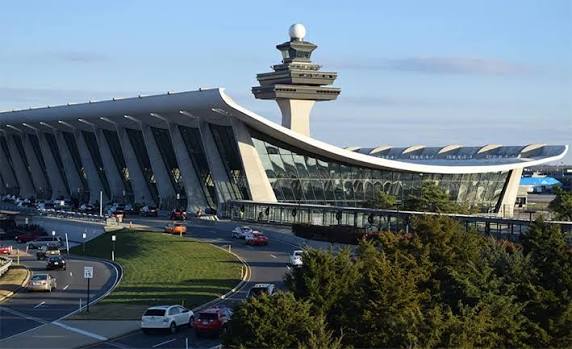
One of the administration’s primary goals is improving the passenger experience. Dulles has often been criticized for long walking distances, aging concourses, limited gate capacity and reliance on its distinctive mobile lounges, which transport passengers between the main terminal and aircraft. Although the airport’s sweeping terminal, designed by renowned architect Eero Saarinen, is considered an architectural landmark, critics argue that many operational systems no longer meet the expectations of modern travelers. The redesign would emphasize easier connections, expanded terminal space and more efficient movement throughout the airport.
Funding details remain one of the largest unanswered questions. Officials have not yet explained precisely how the $22 billion project will be financed or how costs will be divided among the federal government, the airport authority, airlines and private investors. Earlier reports suggested that tax-exempt bonds issued by MWAA could play a significant role, while airlines operating at Dulles would contribute through long-term lease agreements and airport fees. Industry observers are watching closely to determine whether the redevelopment could eventually increase airline operating costs or passenger charges.
Supporters argue the investment would strengthen the United States’ international transportation infrastructure, generate thousands of construction jobs and enhance the region’s competitiveness for tourism and business travel. Modern airports increasingly serve as economic engines, attracting investment, facilitating trade and supporting major employers. Administration officials believe a redesigned Dulles would better reflect Washington’s role as the nation’s capital and improve the country’s image for international visitors.
At the same time, some analysts caution that projects of this scale frequently encounter cost overruns, construction delays and financing challenges. They also note that balancing modernization with preservation of Saarinen’s iconic terminal will require careful planning. Nevertheless, the proposal represents one of the most ambitious airport redevelopment efforts in recent U.S. history. If completed, it would fundamentally reshape Washington Dulles International Airport and establish a new benchmark for large-scale aviation infrastructure in the United States.