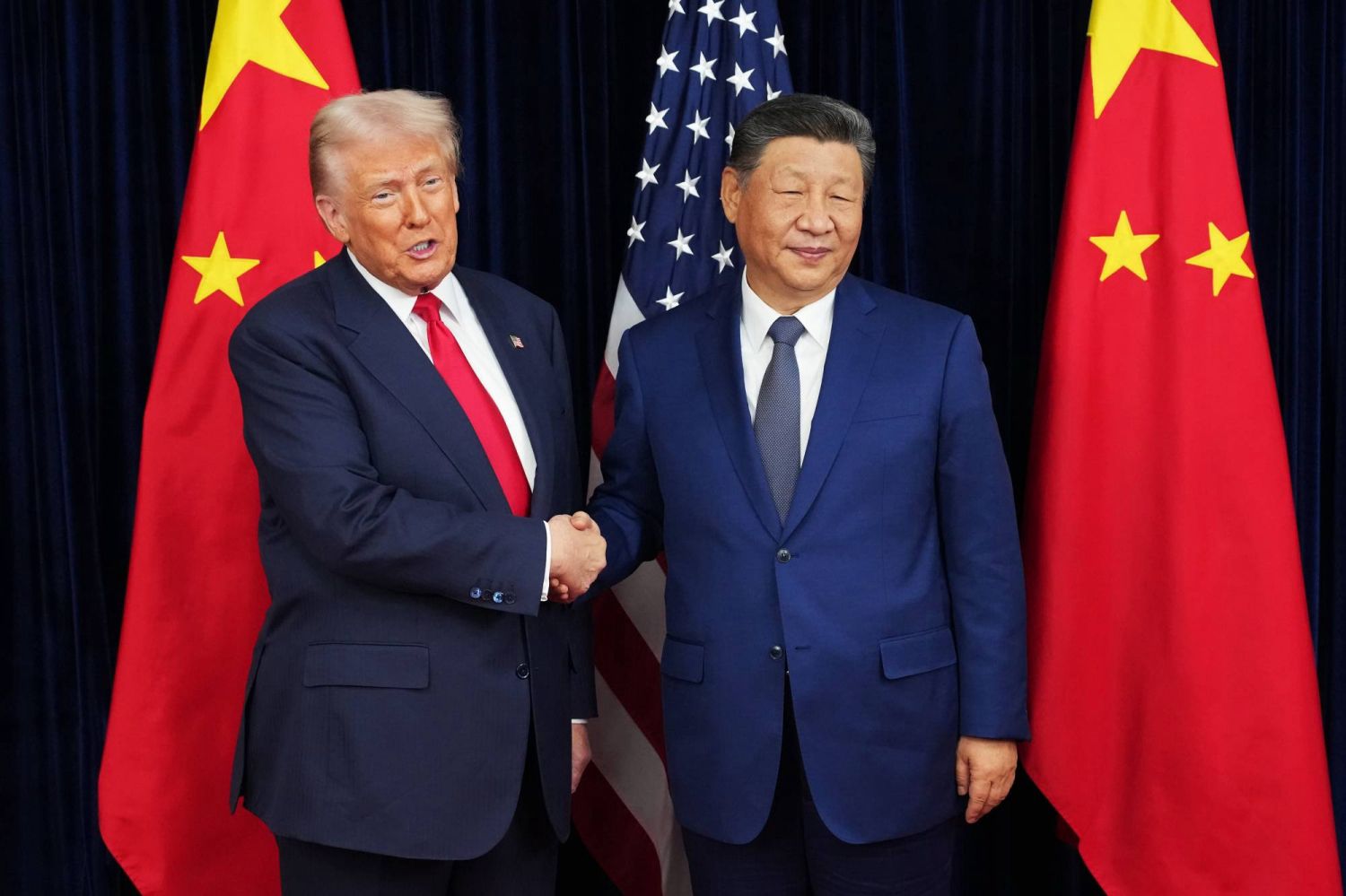

Senior U.S. and Chinese economic officials began two days of talks in Paris aimed at smoothing tensions in their fragile trade truce and clearing the way for a planned late-March summit between President Donald Trump and Chinese leader Xi Jinping in Beijing. The meetings are led by U.S. Treasury Secretary Scott Bessent and Chinese Vice Premier He Lifeng, with U.S. Trade Representative Jamieson Greer and China’s trade negotiator Li Chenggang also involved. The first day ran for more than six hours at the OECD’s Paris headquarters, with discussions scheduled to resume the next morning.
The agenda reflects the most sensitive pressure points in the current U.S.–China relationship. Negotiators were expected to focus on shifting U.S. tariffs, the flow of Chinese-produced rare earth minerals and magnets to U.S. buyers, American high-tech export controls, and China’s purchases of U.S. agricultural goods. Greer said the U.S. wants stability—ensuring access to rare earths for manufacturing, keeping China buying agreed products, and creating conditions for leaders to meet without a rupture.
But expectations for a major breakthrough are low. Analysts said preparations have been shortened and Washington’s bandwidth is consumed by the U.S.-Israeli war with Iran. The two sides’ “minimum goal,” according to one expert, is simply to keep channels open and avoid re-escalation. Another analyst suggested Trump may want visible “wins” from Beijing—such as new Boeing aircraft orders or larger Chinese purchases of U.S. LNG and soybeans—but that could require U.S. concessions on export controls, a politically difficult tradeoff.
Geopolitics is also bleeding directly into the economic talks. The Iran war will likely come up because of the spike in oil prices and the closure of the Strait of Hormuz, a chokepoint critical for China’s energy imports. Bessent recently announced a temporary sanctions waiver to allow sales of Russian oil stranded at sea, a move meant to increase supply amid volatility. Trump, meanwhile, urged other nations to help protect shipping in the Strait after U.S. strikes on Iran’s Kharg Island oil hub and Iranian threats of retaliation.
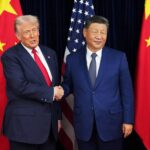
The Paris discussions also serve as a “check-in” on the October 2025 trade truce announced by Trump and Xi in Busan. Deal trimmed some U.S. tariffs, paused China’s strict rare earth export controls for a year, and froze expansion of a U.S. blacklist restricting Chinese firms’ access to high-tech American goods. China also agreed to sizable soybean purchases across the 2025 and 2026 seasons, and U.S. officials have said Beijing has met early commitments—though key U.S. industries like aerospace and semiconductors still report worsening shortages of certain materials.
Complicating the path forward are new U.S. trade investigations. Greer and Bessent arrive with fresh “Section 301” probes targeting China and other major trading partners over alleged excess industrial capacity, plus a separate probe into forced labor practices that could lead to import bans. Beijing has criticized these moves and signaled it could respond. In this climate, Paris is less a grand reset than a high-stakes attempt to keep a shaky détente intact long enough for a Trump–Xi meeting to happen—and to prevent tariffs, tech controls, and supply-chain chokepoints from spiraling into a new trade war.