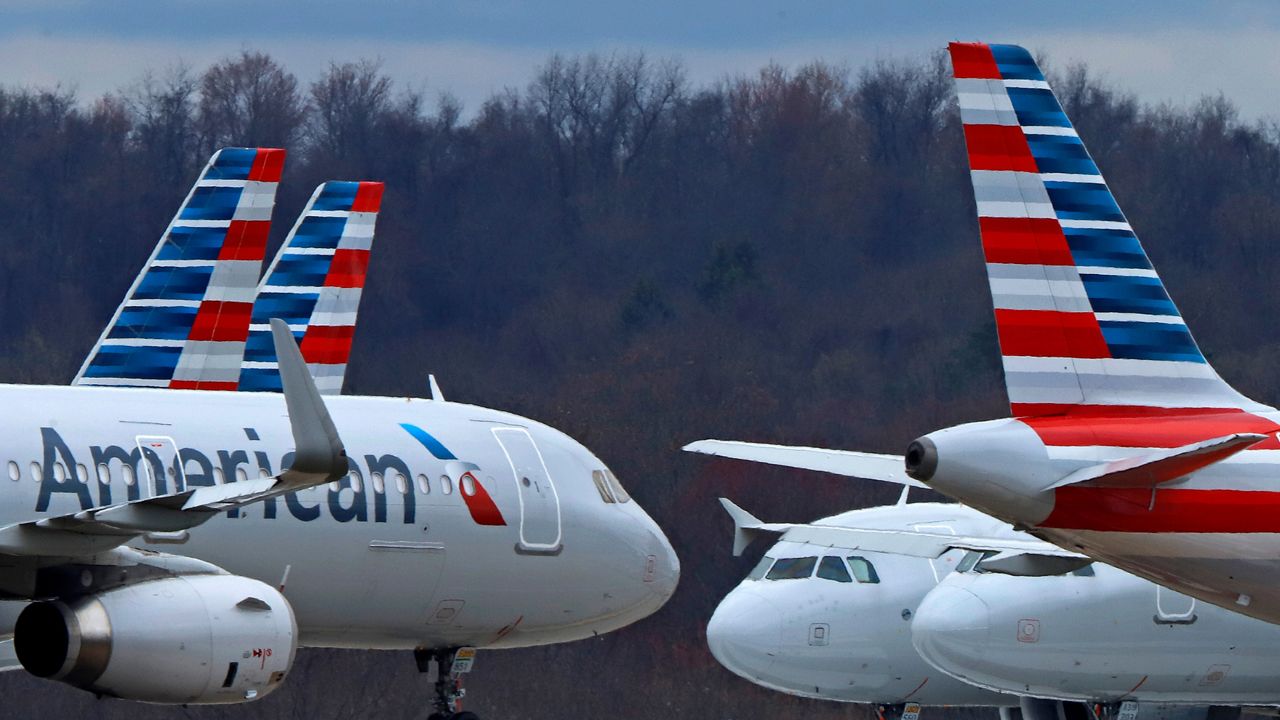

Families of victims from the January 2025 midair collision near Washington, D.C., joined lawmakers in urging the U.S. House of Representatives to pass a major aviation safety measure intended to prevent a repeat of the tragedy. The legislation—known as the ROTOR Act—responds to recommendations made after the collision between an American Airlines regional jet and an Army Black Hawk helicopter that killed 67 people. Supporters argue the bill tackles a concrete safety gap: aircraft operating in busy airspace should reliably broadcast their position so other pilots and controllers have better real-time awareness.
At the center of the proposal is a mandate for the Automatic Dependent Surveillance–Broadcast (ADS-B) system. ADS-B uses GPS-based location data that aircraft broadcast to improve tracking and situational awareness. Under the ROTOR Act, aircraft operators would be required to equip fleets with ADS-B (or compliant alternatives for sensitive missions) by the end of 2031, creating a long runway for implementation while aiming to standardize safety in the most congested corridors.
Despite broad sympathy for the victims and bipartisan support, the effort ran into procedural and political headwinds in the House. In the vote, the bill drew 264–133 support—strong, but one vote short of the two-thirds majority required under the fast-track process used to bring it to the floor. That meant the bill failed to advance even though a majority favored it.
The clash also exposed a late-breaking split over national security. The Pentagon opposed the measure, arguing that requiring broadcast tracking in certain contexts could pose operational or security risks for military flights and could impose major compliance costs. Sponsors countered that the legislation had been written to protect sensitive operations, including provisions and pathways meant to accommodate classified flights and alternative compliance methods. Still, Defense Department objections helped shift votes and became a key factor in the bill’s House setback.
For victims’ families, the legislative fight is about preventing future deaths—not relitigating blame. They have emphasized that the collision revealed systemic vulnerabilities in mixed civilian-military airspace, where visual separation, training practices, and inconsistent situational awareness tools can create unacceptable risk. Safety advocates and some lawmakers argue that ADS-B (or equivalent technology) is a relatively clear, implementable fix that would reduce the odds of catastrophic misjudgments, especially around high-traffic airports like Reagan National.
The ROTOR Act battle is unfolding alongside broader House aviation-safety efforts. Previously reported that a bipartisan group of House lawmakers introduced a more comprehensive package aimed at implementing dozens of safety recommendations stemming from the year-long investigation into the 2025 crash—signaling that Congress is pursuing multiple tracks to reform aviation oversight, airspace procedures, and accountability.