
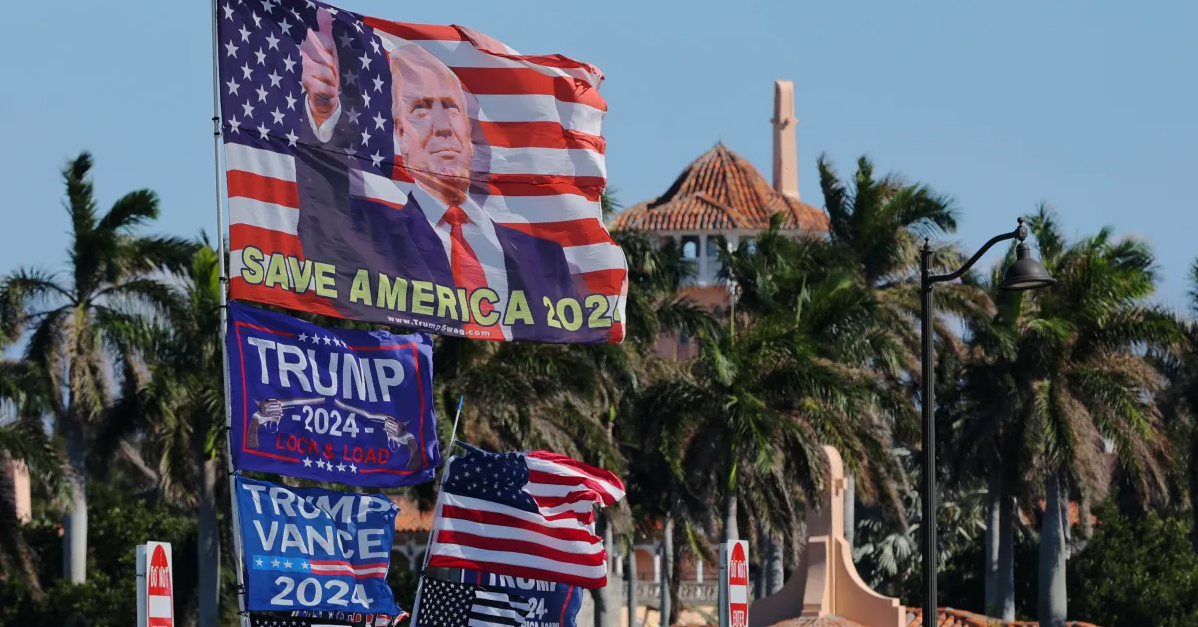

A Wall Street Journal analysis argues that Donald Trump has moved quickly to dominate the “culture wars” in his second term—using highly visible institutions and public symbols to project power—and that the next, bigger confrontation is about America’s national story heading into the country’s 250th anniversary in 2026. This pronunciation frames Trump’s strategy as more than a string of headline-grabbing skirmishes: it’s an effort to shape what counts as “patriotic” history and culture, and to push back on what his administration calls “divisive” interpretations of the past.
One reason the stakes are rising is the scale of the anniversary itself. The White House has promoted “Freedom 250” as a defining national milestone, treating July 4, 2026 as a major civic event with its own branding and messaging. The Journal’s point is that anniversaries aren’t just celebrations—they are opportunities to decide which chapters get highlighted, which are minimized, and what values public institutions are expected to teach.
It’s direct pressure on cultural and educational institutions—especially the Smithsonian, which sits at the center of how the U.S. presents history to the public. Trump’s executive order “Restoring Truth and Sanity to American History” sets a clear standard: federal historic sites and museums should be “uplifting” monuments aligned with “American ideals,” and the administration has argued that some institutions have drifted toward ideology.
In practice, the White House has sought greater oversight and leverage. Previous reports said White House would lead an internal review of some Smithsonian museums and exhibitions ahead of the 250th anniversary after Trump accused the institution of spreading “anti-American ideology.” The Smithsonian provided additional documentation about planned exhibits in response to White House demands—an exchange that critics see as political interference and supporters see as accountability for taxpayer-funded institutions.
The “battle over America’s story” also shows up in the symbols chosen for public display. Trump’s “Presidential Walk of Fame” at the White House is a subjective exhibit with plaques and presentation choices that critics argue tilt historical interpretation, and a slavery-focused exhibit in Philadelphia tied to George Washington’s enslaved people was removed and then reinstalled after legal action—an episode that illustrates how contested public history can become when federal authorities try to reframe narratives at historic sites.
Overall, the piece’s core idea is that Trump’s culture-war posture is shaping the official memory of the nation at a moment when millions of Americans—and global audiences—will be paying attention.