
Oil prices moved back above $111 a barrel as hopes for a diplomatic breakthrough between the United States and Iran continued to fade, keeping traders focused on the risk of a prolonged supply shock. Peace talks had stalled with no clear path to reopening the Strait of Hormuz, one of the world’s most important routes for oil and liquefied natural gas shipments. That deadlock has kept energy markets tense and pushed prices sharply higher.
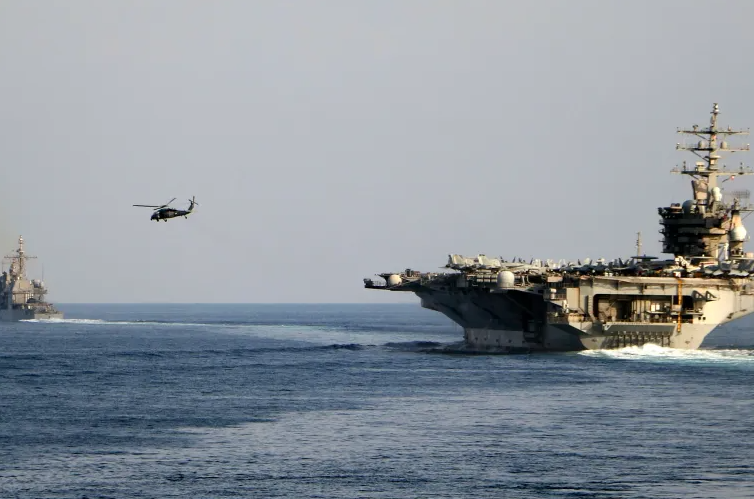
The main reason for the renewed rise is the continuing disruption around Hormuz. Iran has shut shipping flows through the strait while the United States has maintained a blockade of Iranian ports, creating what analysts described as a prolonged disruption to a critical artery of global supply. Around 20% of global oil and LNG flows normally move through the strait, so even partial interruptions have an outsized effect on prices and sentiment. Before the war began on February 28, roughly 125 to 140 vessels crossed daily; since then, traffic has dropped sharply and tanker movements have become highly irregular.
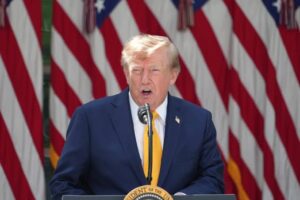
An earlier round of negotiations collapsed after face-to-face talks failed, and by late April Trump was unhappy with the latest Iranian proposal. That left the conflict effectively deadlocked. Analysts said traders were increasingly pricing in the possibility that the disruption would not be short-lived. In that environment, oil above $111 reflects not just immediate supply tightness but a growing belief that the market may face weeks or months of constrained flows rather than a quick diplomatic fix.
The price rise matters because it reaches beyond commodity markets. U.S. gasoline prices had climbed to their highest levels in years, while European officials were already warning of sharply higher fossil-fuel bills. The International Energy Agency said strategic reserves could be used if needed, and OPEC cut its forecast for global oil demand in the second quarter, a sign that higher prices are already raising concern about slower economic activity. In other words, the oil spike is starting to look less like a short-term trading event and more like a broader inflation and growth problem.
Another reason the market stayed firm is that even potentially bearish developments were being overshadowed by the geopolitical crisis. United Arab Emirates’ exit from OPEC would normally have sparked a major selloff because it could allow more supply onto the market. But analysts said that with Hormuz effectively constrained, there is little room for that extra supply to move freely. That helps explain why prices remained elevated despite news that might otherwise have pushed them lower.
Physical markets appear even tighter than futures suggest. Crude for immediate delivery into Europe traded near $150 a barrel at one stage, while the amount of oil sitting stationary on tankers rose sharply. That indicates a market struggling not only with price expectations but with real logistical bottlenecks. Some ships are still crossing Hormuz, but the system is functioning far below normal levels.
Overall, the story behind oil climbing back above $111 is simple but serious: diplomacy has stalled, supply routes remain impaired, and traders no longer believe the situation will resolve quickly. Until there is a credible breakthrough in talks or a clear reopening of Hormuz, energy markets are likely to remain volatile and tilted upward.