
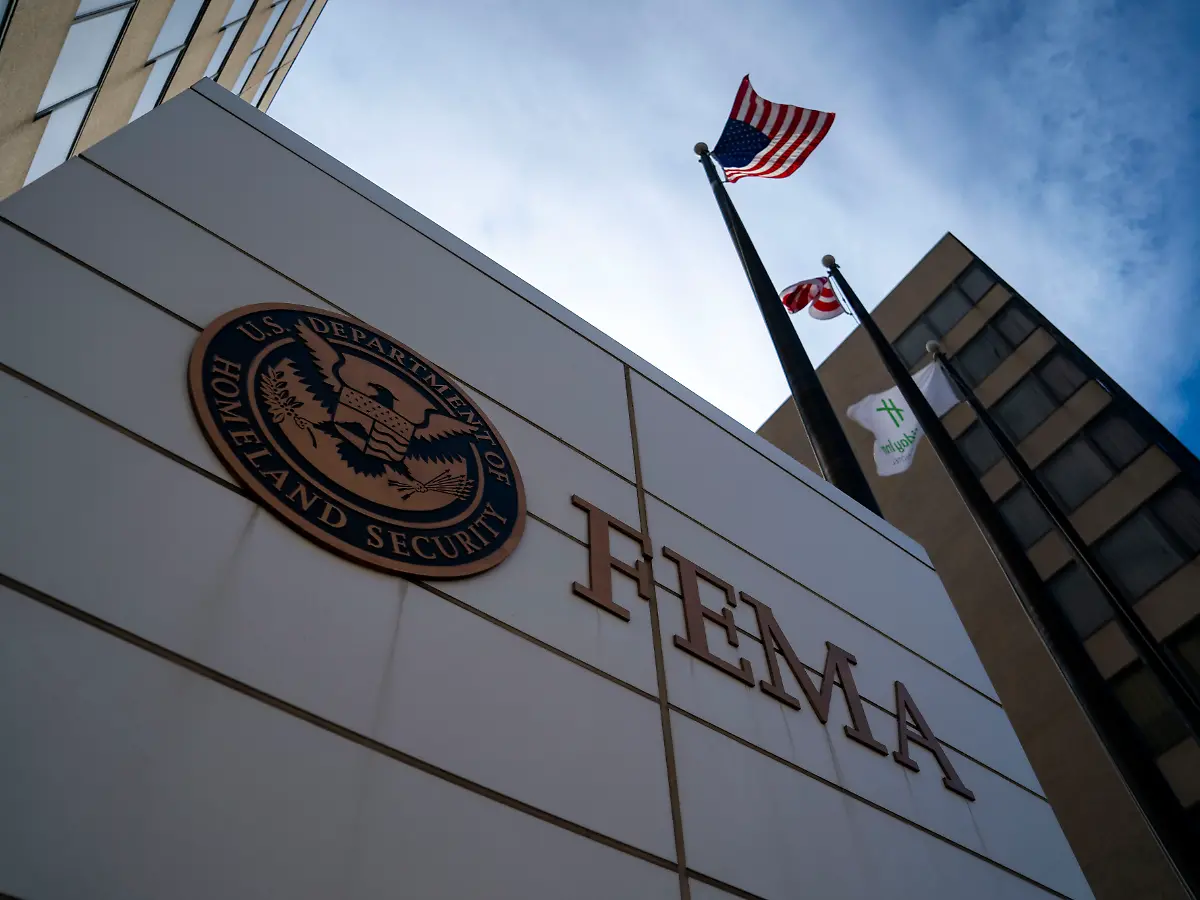

A Trump-appointed FEMA Review Council has approved a final report calling for major changes to how the Federal Emergency Management Agency operates, potentially reshaping the balance of responsibility between Washington and state governments in disaster response. The council’s recommendations portray FEMA as inefficient, overly bureaucratic, and in need of modernization. The report is not legally binding, but it is expected to guide the Trump administration’s next moves on disaster policy.
The core idea of the report is to reduce FEMA’s direct role and give states, tribes, territories, and local governments more responsibility for disaster preparedness, response, and recovery. The council proposed narrowing the criteria for federal support and changing survivor assistance so it focuses more tightly on emergency housing. It also recommended giving upfront payments instead of relying so heavily on reimbursement systems, which can delay aid and create financial strain for communities waiting for federal money.
Supporters of the plan argue that the current disaster system is too slow and complex. They say FEMA has become burdened by paperwork, duplicative reviews, and processes that can delay recovery after floods, hurricanes, wildfires, and other emergencies. The council’s recommendations include shifting some environmental review responsibilities to local levels, reassessing staffing needs, reducing administrative costs, and streamlining aid delivery. Former Virginia Gov. Glenn Youngkin and Homeland Security Secretary Markwayne Mullin supported the council’s direction.
One of the most significant proposals involves the National Flood Insurance Program. The council recommended moving more flood insurance activity toward the private sector, a change that could alter how homeowners and businesses in flood-prone areas obtain coverage. Advocates of reform argue that private-sector involvement could make the system more efficient and financially sustainable. Critics worry it could raise costs or reduce access for vulnerable homeowners in high-risk areas.
The report also pulled back from some of the most controversial ideas that appeared earlier in the process. Recommendations such as cutting FEMA’s workforce in half and keeping the agency inside the Department of Homeland Security were removed from the final draft. Even without those provisions, the final plan still represents a broad attempt to weaken or narrow FEMA’s role compared with the current system.
Critics say the plan is dangerous because disasters are becoming more frequent and costly as climate change intensifies extreme weather. Disaster experts and advocacy groups warned the recommendations could leave smaller or poorer communities overwhelmed if they are expected to carry more responsibility without enough federal backing. The same report noted that the council’s final recommendations made little substantive mention of climate change, which critics viewed as a major omission given the rising costs of storms, floods, fires, and heat-related disasters.
The political significance is also clear. President Trump has previously suggested that states should carry more of the burden for disasters, and this report gives the administration a policy framework to move in that direction. Many recommendations would require legislation or formal rulemaking, but some changes could potentially be advanced through executive action or agency guidance.
Overall, the report presents FEMA reform as a way to make disaster response faster, cheaper, and less bureaucratic. But opponents see it as a major retreat from federal responsibility at the exact moment when climate-driven disasters are becoming more severe. The debate now is not whether FEMA needs improvement, but whether shifting more burden to states will make the country more resilient — or leave vulnerable communities with less help when they need it most.