
Rising gasoline prices are widening the economic gap between wealthy and lower-income Americans, according to research from the Federal Reserve Bank of New York. The study found that the latest gas price spike, driven by the conflict involving Iran and disruptions in global energy markets, is affecting households very differently depending on income. While wealthier Americans are mostly absorbing higher fuel costs by spending more, poorer households are being forced to reduce consumption and cut back elsewhere.
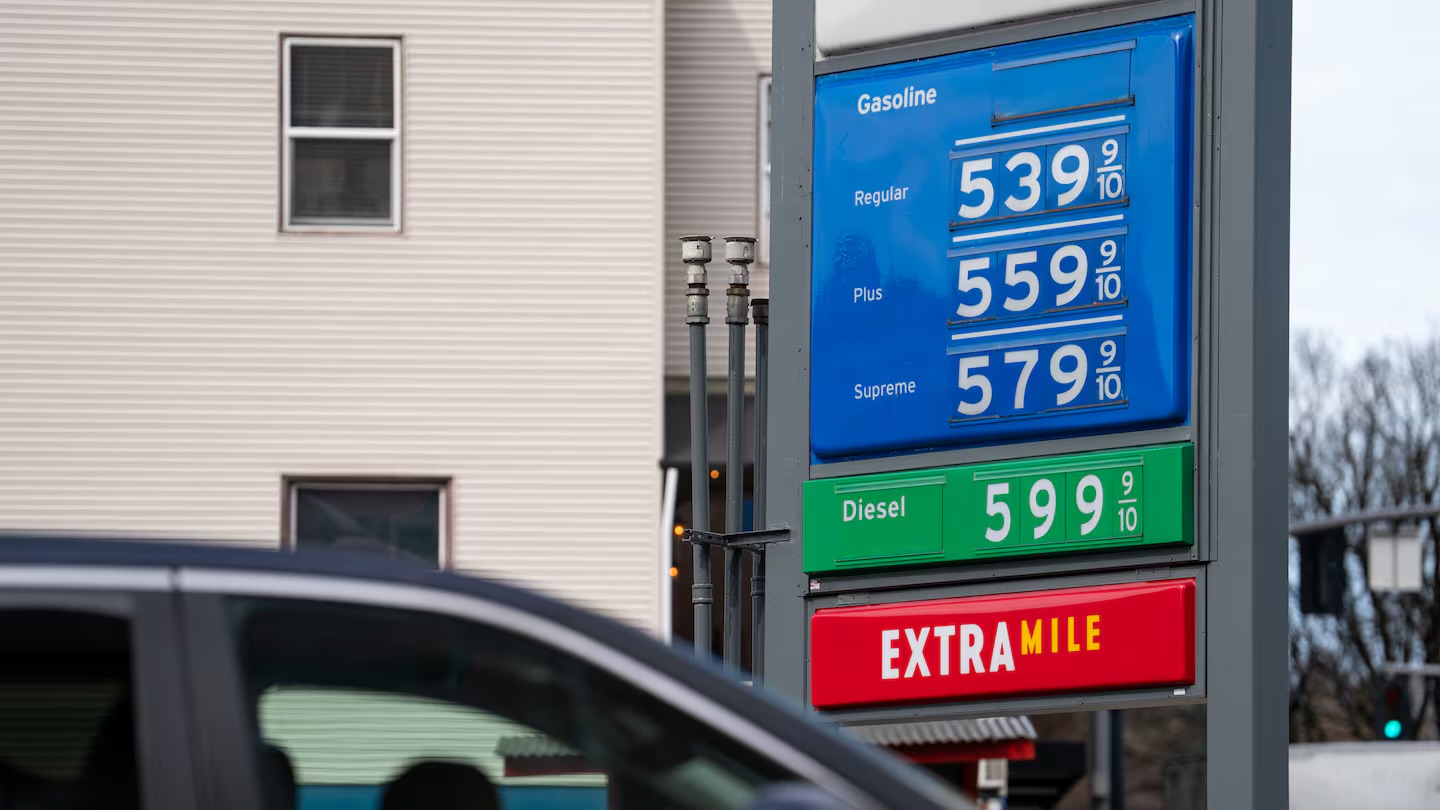
The basic pattern is simple but unequal. Gas prices surged after the Iran war began on February 28, rising from below $3 a gallon to more than $4, and later reaching even higher levels in some markets. In Los Angeles, gas prices were above $6 a gallon at one station, underscoring how severe the burden can be in high-cost regions. For families with limited income, even a relatively small increase in fuel costs can force difficult choices about commuting, groceries, bills, and other essentials.
The New York Fed found that lower-income households responded by sharply cutting their real gasoline use. Households earning under $40,000 reduced gas consumption by about 7% in March, even though their gasoline spending still rose because prices jumped so much. That means they were paying more while driving less — a clear sign of financial pressure. By contrast, households earning $125,000 or more reduced their gas use by only about 1%, suggesting they had more room to maintain normal habits despite higher prices.
This divide matters because gasoline is not a luxury for many Americans. It is often necessary for getting to work, school, childcare, medical appointments, and stores. When poorer households reduce driving, they may not simply be making a lifestyle adjustment. They may be limiting economic activity or sacrificing opportunities. The Times and related reports describe this as part of a broader “K-shaped” economy, where wealthier Americans continue spending and benefiting from asset gains while lower-income households face tighter budgets and fewer choices.
The burden is especially clear when measured as a share of income. A Bank of America Institute report cited that about 10% of the poorest third of households now spend 10% of their income on gasoline, compared with only 2.7% among the wealthiest households. That difference helps explain why the same price increase can feel manageable for one family and devastating for another. Higher-income households may complain about gas prices, but lower-income families are more likely to change behavior because they have no financial cushion.
The current shock also differs from the 2022 gas price spike after Russia’s invasion of Ukraine. Analysts noted that government aid and pandemic-era savings helped cushion some lower-income households then. This time, many of those buffers are gone, making the inequality effects more visible and potentially more damaging. Lower-income consumers may respond by carpooling, using public transit, skipping trips, or reducing discretionary purchases, all of which can ripple through the broader economy.
Overall, the story shows how energy shocks can deepen existing inequality. Wealthier Americans can keep driving and keep spending, while poorer Americans are forced to absorb the same price shock with far fewer resources. Gas prices are not just a consumer complaint; they are becoming another force widening the divide between households that can adapt and households that are already stretched thin.