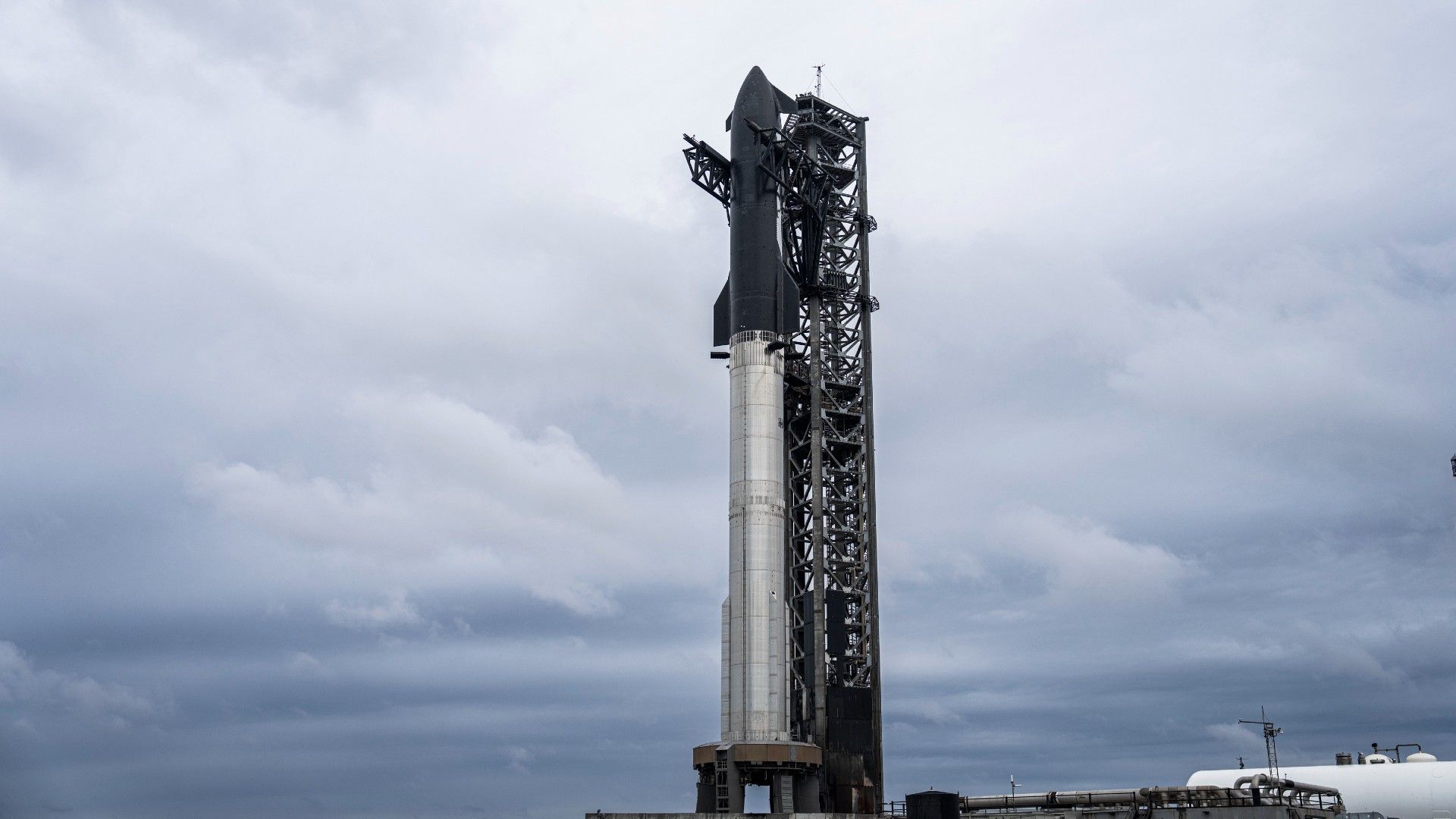

SpaceX’s upgraded Starship V3 completed its debut test flight from Texas, marking a major milestone for Elon Musk’s rocket company just weeks before its planned record-breaking public offering. In May 22, the launch was the 12th Starship test flight overall and the first flight of the new V3 version, a more advanced design intended to move the program closer to commercial readiness, deep-space missions and NASA’s Artemis lunar plans.
The test was not perfect, but it achieved many of SpaceX’s main objectives. The uncrewed Starship launched from the company’s Starbase facility in South Texas, completed stage separation and sent the upper-stage spacecraft on a controlled flight that ended with splashdown in the Indian Ocean. During the mission, SpaceX deployed 20 mock Starlink satellites and two real diagnostic satellites, showing progress toward using Starship as a high-capacity launch vehicle for future versions of the Starlink network.
The flight also exposed technical issues.One engine failed, and the Super Heavy booster did not complete its planned boost-back burn. That means SpaceX still has work to do before Starship becomes the fully reusable system Musk has promised. Still, the mission generated valuable data, and analysts later described it as a “lukewarm success”: not flawless, but strong enough to reduce concerns that the program was stuck in repeated failures.
The timing is especially important because SpaceX is preparing for a massive IPO. The company is targeting a valuation around $1.75 trillion, with a roadshow expected in early June and a possible fundraising goal of up to $80 billion. A successful Starship test helps support that investment story by showing visible progress on the rocket system that underpins several of SpaceX’s biggest future ambitions.
Starship matters because it is designed to dramatically lower launch costs through full reusability. If SpaceX can make the system work reliably, it could launch larger payloads more cheaply, expand Starlink faster and support more ambitious missions to the moon and Mars. SpaceX has invested more than $15 billion in Starship development, making the program central to the company’s long-term strategy.
NASA is also watching closely. Starship is tied to the agency’s Artemis program and is expected to support future lunar landing missions, including a planned astronaut landing later this decade. Space.com reported that the upgraded V3 design includes enhancements related to deep-space operations, including engine improvements, docking capabilities and future in-orbit refueling hardware. Those features are critical because lunar and Mars missions require more than simply reaching space; they require reliable refueling, maneuvering and landing systems.
The test also came after a long pause. The launch followed a seven-month gap since the previous Starship flight, making investors and space observers especially attentive to whether SpaceX could regain momentum. The fact that V3 reached most of its goals may help rebuild confidence, even though the booster issue shows the program remains technically risky.
Overall, the Starship V3 flight was an important step, but not a final victory. SpaceX still must prove booster recovery, full reusability, in-space refueling and reliable operations over repeated flights. But the debut gave the company something it needed before its IPO push: evidence that Starship is advancing, not stalled, and that Musk’s most ambitious rocket system may still become the backbone of SpaceX’s future.