

The rules of business are not what they were five years ago. Capital moves faster. Consumers expect more. Loyalty is earned daily. And the founders who are winning in 2026 are not just building companies: they are building movements, cultures, and ecosystems. From fintech to fashion, from biotech to consumer goods, today’s power players are rewriting what leadership, growth, and resilience really look like.
What separates this new generation of entrepreneurs is not just innovation. It is clarity. They understand that brand matters as much as balance sheets, that community can be a competitive advantage, and that purpose is no longer optional. They scale with intention and lead with conviction in markets that shift overnight.
In this USA Reporter feature, we asked 20 influential founders and executives to share the new rules they believe define business success in 2026. Their insights reveal a common theme: the future belongs to those bold enough to evolve, and disciplined enough to execute.
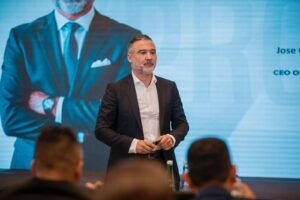
Kevin O’Leary

Kevin O’Leary is one of the most recognizable investors and business strategists of this generation. Widely known as “Mr. Wonderful,” he built his reputation through disciplined investing, sharp financial insight, and an uncompromising commitment to value creation. From co-founding SoftKey Software Products, which later became The Learning Company and sold for billions, to becoming a leading investor on Shark Tank, O’Leary has consistently demonstrated how strategic execution and financial intelligence build enduring wealth.
What makes O’Leary unique is his unwavering belief that numbers never lie. While many entrepreneurs operate on emotion, he operates on margins, cash flow, and scalability. His investment philosophy centers on sustainable businesses that generate predictable returns, protect capital, and reward disciplined leadership. Over the years, he has expanded his brand beyond venture investing into asset management, financial education, wine, and media—proving the power of diversification backed by strategy.
In 2026, O’Leary emphasizes that the biggest shift in business is financial literacy combined with adaptability. In an era shaped by rapid technological innovation, AI integration, and global market volatility, leaders can no longer afford to ignore data-driven decision-making. For O’Leary, discipline, daily execution, and resilience remain fundamental—but clarity around profitability and long-term value creation is non-negotiable.
He continues to leverage media, digital platforms, and global speaking engagements to educate entrepreneurs on building scalable companies and protecting their wealth. His message is direct: revenue is vanity, profit is sanity, and cash flow is king.
For Kevin O’Leary, entrepreneurship is not about hype—it’s about results.
His Rule for 2026: “Know your numbers, protect your capital, and never invest without a clear path to profitability.”
Chris Groves
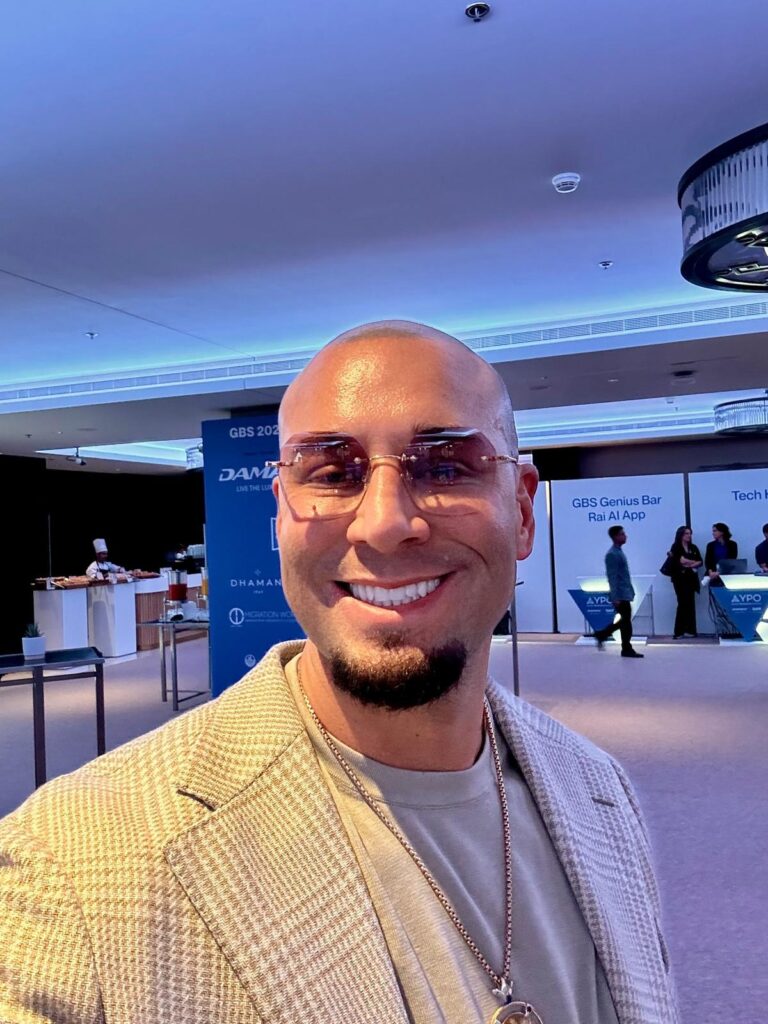
Chris Groves is redefining how modern entrepreneurs build, scale, and operate their businesses. As the co-founder of Groves IQ, alongside his wife and business partner Aleyna Groves, Chris has launched what many are calling the new operating system for service-based entrepreneurs in 2026.
Groves IQ was born out of frustration. While running multiple businesses, Chris found himself wasting time, money, and energy patching together disconnected tools that created more chaos than clarity. Instead of accepting inefficiency as the norm, he engineered a solution. The result is Groves IQ—a powerful, plug-and-play automation platform that consolidates core operations into one intelligent system.
From lead tracking and client onboarding to staff management, automation workflows, and real-time analytics, Groves IQ eliminates unnecessary overhead and streamlines execution. Designed specifically for coaches, consultants, agency owners, and creators, the platform adapts to the entrepreneur—not the other way around. It delivers corporate-level structure with startup-level speed.
But for Chris, Groves IQ is more than software. It’s a mindset shift. He believes entrepreneurs must evolve from overwhelmed operators into strategic system architects. By turning emotional intelligence into a business asset and transforming stress into innovation, he teaches founders to reclaim control of their time, energy, and profitability.
Early adopters are already reporting measurable gains—cutting redundant software costs, increasing lead conversion rates, and saving hours each week through automated workflows. For many, Groves IQ has replaced the need for an entire operations team.
With AI integrations, CRM enhancements, and strategic partnerships on the horizon, Chris Groves is leading a new era of intelligent automation.
For him, the future belongs to entrepreneurs who build smarter, not busier.
His Rule for 2026: “Stop duct-taping systems together. Build infrastructure that gives you freedom, scale, and control.”
John Barbosa

John Barbosa, widely recognized as “The Billion Dollar Mentor,” is more than a business strategist — he is a transformational leader committed to unlocking human potential at scale. For over ten years, John has built and led a global platform dedicated to personal, professional, and financial growth. His mission is clear: help individuals become the highest version of themselves and create lives of impact, abundance, and significance.
With a foundation in Business Administration and advanced master’s degrees in Coaching, Neuro-Linguistic Programming, Neuro Influence, and Clinical Hypnosis, John blends academic excellence with real-world execution. Yet his greatest education came from studying alongside some of the most influential minds in human development and peak performance. He mastered not only strategy, but psychology — not only tactics, but transformation.
John is also a pilot, author, and high-performance athlete who has traveled to over 40 countries, expanding his global perspective on leadership and human behavior. His decision to become a pilot was intentional: to develop the discipline of making zero mistakes. In aviation, once you’re in the air, there is no margin for error. That level of preparation, precision, and responsibility became a pillar of his business philosophy. Apply the mindset of a pilot to entrepreneurship, and there is nothing you cannot achieve.
John believes success is engineered through mindset, disciplined action, emotional mastery, and leadership. Through his seminars, mentorship, and global trainings, he has helped more than 100,000 individuals break limitations and expand their influence.
His flagship seminar, “The Million Dollar Happiness,” reflects his core message: true wealth is built from the inside out. By combining financial strategy with identity transformation and leadership frameworks, he empowers entrepreneurs to increase income while elevating clarity, purpose, and fulfillment.
John Barbosa teaches that growth is a decision, leadership is a responsibility, and prosperity is the byproduct of value creation.
His 2026 Rule for Success: Master influence before income — because the future belongs to leaders who build trust, develop people, and create value at a level that makes competition irrelevant.
Álvaro Zúñiga

Álvaro Zúñiga Benavides is a Latin American entrepreneur and the founder of an international wellness ecosystem that integrates advanced nutraceutical science, health-applied technology, digital platforms, and global models of transformative leadership. After facing the bankruptcy of his first venture at age 25—an experience that reshaped his understanding of character, responsibility, and purpose—he decided to build not just a company, but sustainable systems that unify science, business discipline, and cultural identity.
His strategic approach, which he calls Heritage + Innovation, blends historical heritage with emerging technology (Web 3.0, AI, IoT, and data-driven models) to develop infrastructures for personal and economic transformation, with a strong emphasis on preventive health and identity-based leadership.
His 2026 rule is: 2026, speed will be abundant. Discipline will be scarce.
My practical advice is simple: build systems before you build scale.
Too many entrepreneurs focus on visibility, rapid growth, and short-term traction. But sustainable success comes from architecture—validated products, operational discipline, data clarity, and financial structure.
If your model cannot function without your constant presence, it is not a business yet—it is a performance.
The winners in 2026 will be those who combine technological adaptation with internal coherence. Learn AI. Use data. Embrace digital tools. But do not sacrifice structure for acceleration.
Scale is a consequence. Structure is the cause.
Nelson Moran

Nelson Enrique Moran Duran is a visionary fintech entrepreneur and one of the pioneers of the new global hybrid financial model connecting Traditional Finance (TradFi) and Decentralized Finance (DeFi) through digital infrastructure innovation.
His journey began with a profound question: how can money become more transparent, efficient, and accessible? When he discovered blockchain technology, he recognized it not as a trend, but as a foundational shift capable of redefining global finance. He pursued advanced specialization in Blockchain and Fintech with EIBS Business School and later with the Universitat de Barcelona alongside OBS Business School — but his real distinction came from execution.
As former Executive Director of DEFIMINDS and CEO of TREZORA, Nelson has led the development of digital financial infrastructure focused on transaction validation, structured yield models, digital asset management, and compliant on/off-ramp solutions. Currently serving as Chief Innovation Officer, he anticipates financial evolution and transforms strategic foresight into scalable systems.
For Nelson, innovation must carry purpose. He believes blockchain is not speculation — it is architecture for programmable trust. His mission is to build the structural bridge between traditional capital and the financial systems of the future.
In 2026, he sees a defining shift: trust is no longer implicit — it is programmable, verifiable, and shared.
His new rule for business in 2026 is simple: Build trust into the system — or be replaced by one that does.
Pablo Ballesteros

Pablo Ezequiel Ballesteros Pages is a Business Owner dedicated to helping licensed agents build and scale their own insurance agencies across the United States. Over the past eight years, he has focused on developing high-performance teams, impacting more than 3,000 individuals nationwide and shaping them into leaders within the industry.
Before entering the financial and insurance space, Pablo gained experience in traditional businesses including restaurants, car dealerships, and call centers. While these ventures gave him a deep understanding of different business models, he discovered that true growth lies in leadership development and network-based expansion.
Two years ago, he entered the financial services and life insurance industry, applying his expertise in team building to break records and expand rapidly. Today, he provides agents access to contracts with over 50 carriers nationwide, offering some of the highest commissions in the market. Through a proven system, daily mentorship, technology, and hands-on guidance, he empowers entrepreneurs to build profitable agencies from scratch.
His New Rule for Business in 2026: Success belongs to those who combine leadership, technology, and speed of execution. In 2026, the winners won’t just sell services—they will build systems, develop people, and scale with innovation.
Mariana Padilla

Mariana D. Padilla is widely recognized as one of the most influential women in real estate in Mexico and one of the most prominent Latina leaders in the real estate markets of Texas and Arizona. A proud Mexican entrepreneur, she has dedicated her life to empowering thousands of people to achieve financial freedom through strategic real estate investment and intelligent business design.
After living 12 years in Arizona, where she built multiple companies — including a financial firm that generated over $7 million in revenue — Mariana faced a defining moment during the 2008–2009 financial crash, when she lost everything. Instead of retreating, she rebuilt. She entered the world of real estate in the United States, mastering the investment strategies that created some of America’s largest real estate fortunes. Realizing those models could not be directly applied in Mexico, she made it her mission to adapt and “tropicalize” them for the Latin market, democratizing access to wealth-building opportunities across the continent.
For more than 21 years, Mariana has led construction and development companies in Mexico, Texas, and Arizona. She is the creator of the TOPP methodology for business design and the Smart methodology for real estate development. An international speaker, she has presented in Dubai, Panama, Colombia, Peru, the United States, and Mexico, and at leading universities including TEC de Monterrey, Universidad Anáhuac, Ibero, and Universidad de las Américas. She is also the author of the Amazon triple bestseller “El Producto No Importa.”
Mariana believes mindset is everything. Financial success begins with healing your relationship with money, strengthening leadership skills, and mastering human behavior. For her, real estate is not just about buildings — it is about creating the spaces where life happens and wealth grows.
Her Rule for 2026: Train your mind before you train your business — because true freedom comes from mastering both money and yourself.
Loredana Berte
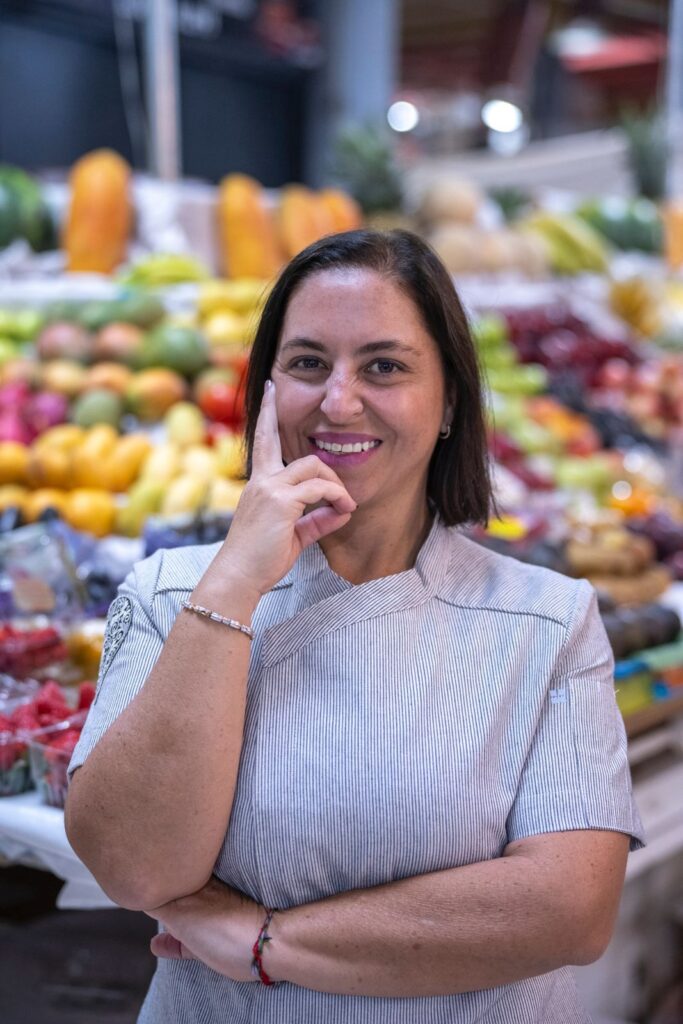
Loredana Berte is a Mexican Chef and Conscious Nutrition Specialist leading a powerful movement around intentional living and regenerative nutrition in 2026. Affectionately known as “Mamá Chef,” her journey began at home—with a mother’s commitment to properly nourish her children and a personal determination to prevent premature Alzheimer’s through conscious dietary choices. What started as a family mission evolved into a purpose-driven brand dedicated to transforming the way people understand food at its core.
Certified in regenerative cuisine and Ayurveda, Loredana integrates ancient nutritional wisdom with modern science to teach cellular nutrition in a practical and approachable way. Her philosophy is simple yet transformative: food is not just something we eat—it is information that communicates directly with our cells, influencing our physical, mental, and emotional wellbeing. Through her products, classes, and digital platforms, she promotes the consumption of first-quality, natural, fresh, and seasonal ingredients while educating families on how to use them correctly and deliciously.
Her business is built on impact. In an era where convenience often outweighs consciousness, Loredana is committed to combating childhood obesity through education and awareness. She believes that while discipline, daily action, and resilience are essential for entrepreneurial success, the defining factor in 2026 is purpose. Leaders who operate with clarity of mission will be the ones who create lasting influence.
By leveraging social media, streaming platforms, and modern marketing strategies, Loredana continues expanding her reach and empowering families worldwide to reclaim control over their health.
For Loredana, entrepreneurship is leadership with responsibility.
Her Rule for 2026: “Keep your purpose clear—know who you are, where you come from, and where you’re going.”
Hector Ortiz
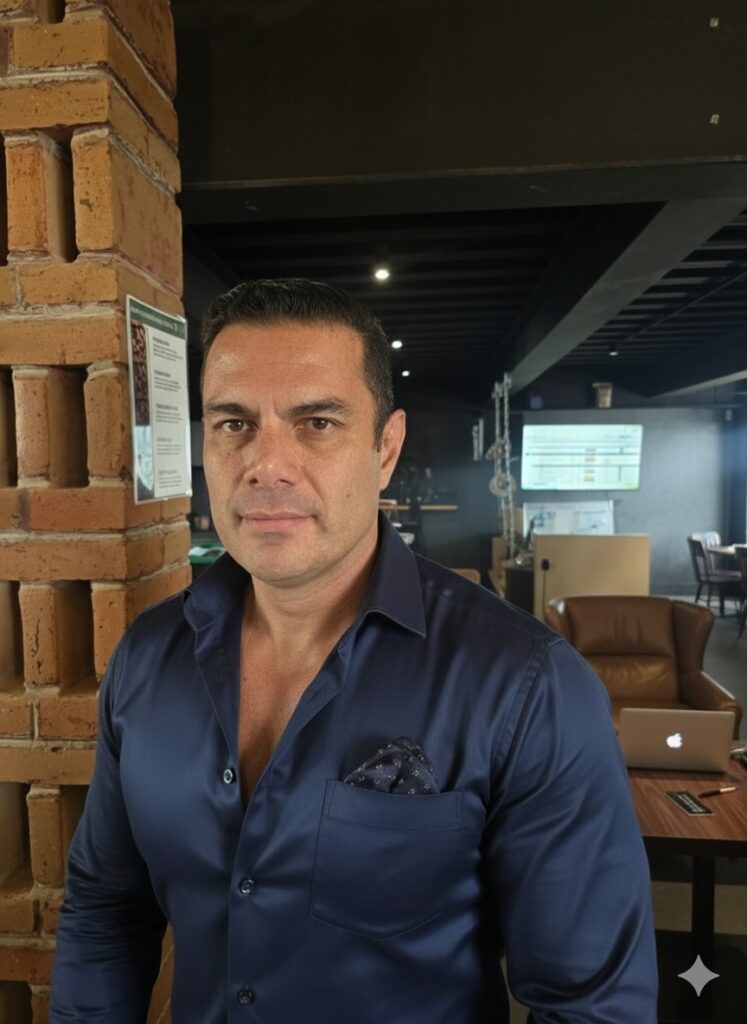
Hector Ortiz is a Business Owner and Innovation Strategist driven by a clear conviction: talent is everywhere, but structure is what allows it to shine. His entrepreneurial journey began with a simple yet powerful observation — brilliant ideas often fail, not because they lack potential, but because they lack systems, discipline, and vision. Determined to close that gap, Hector set out to build ventures rooted in precision, aesthetics, and purpose.
As the leader of Vision Lab, he designs digital solutions that eliminate chaos for businesses and public institutions. From intelligent scheduling systems that significantly reduce no-shows to AI-powered tools that listen, document, and streamline operations, his mission is to humanize technology at scale. Together with his partner, Elías Moya, Hector ensures that every system is not only efficient but empathetic — proving that innovation can improve lives while driving measurable results.
Through Ghost Pulse, his ultra-luxury apparel brand, Hector channels his philosophy into design. The brand creates timeless, high-quality pieces built to last — garments that project authority, confidence, and refined discipline without ever needing to speak.
For Hector, success means tranquility: knowing that systems operate flawlessly, clients feel supported, and every product reflects excellence. He believes mindset accounts for 90% of business success, fear is simply evidence of growth, and true reputation is built in the unseen details.
His new rule for business in 2026 is simple and uncompromising: Elevate everything — or don’t launch at all.
Sara Blakely
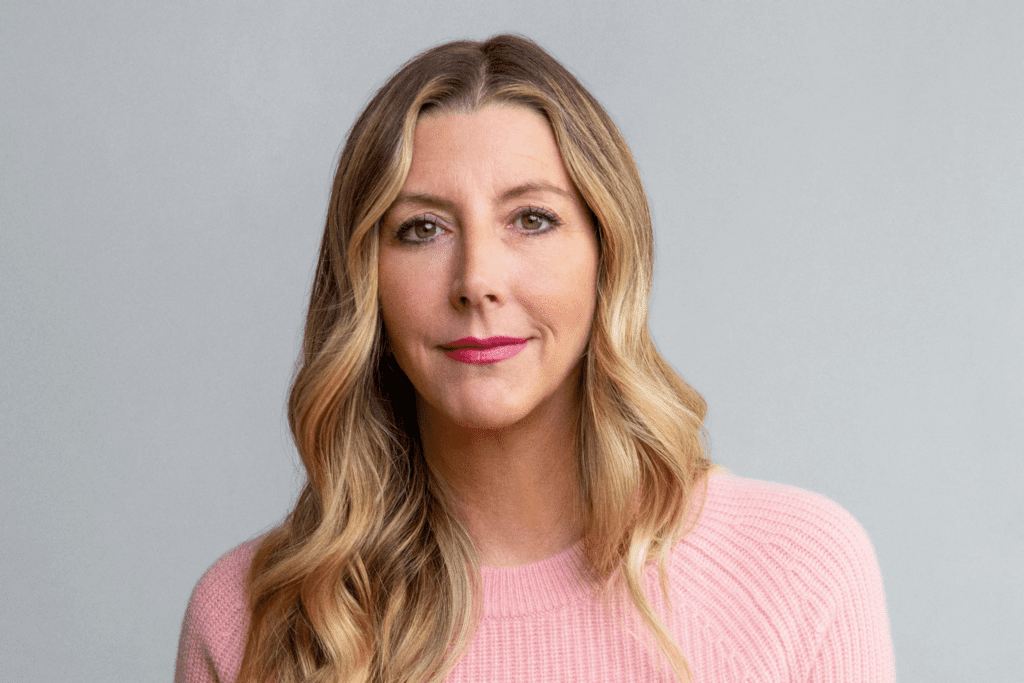
Sara Treleaven Blakely is an American entrepreneur best known as the founder of Spanx, a shapewear and apparel company that transformed the women’s undergarment industry. Born in Clearwater, Florida, Blakely grew up with an artist mother and a lawyer father, and she graduated from Florida State University with a degree in communications before embarking on an unconventional career journey. Early in her professional life, she worked selling fax machines door-to-door, where she developed her persistence and sales acumen by engaging customers face-to-face each day.
Blakely came up with the idea for Spanx in the late 1990s when she cut the feet off a pair of pantyhose to wear under white pants, seeking a smoother silhouette and greater comfort; this simple experiment sparked the world’s most recognizable shapewear brand. She spent nights researching patents, trademark law, and materials, eventually writing her own patent application and securing a hosiery mill willing to produce her first prototype despite repeated rejections from industry manufacturers. Blakely launched Spanx commercially in 2000 with around $5,000 of personal savings and no outside investment, retaining full ownership of the company for many years.
Spanx quickly gained traction after receiving early support from major retailers and influential media coverage, establishing itself as an indispensable product for women seeking confidence and comfort in their clothing. Blakely has consistently emphasized designing for real women, which helped Spanx grow into a billion-dollar business and redefined the shapewear category globally. Beyond business success, she launched the Sara Blakely Foundation in 2006 to empower women and girls through entrepreneurship, education, and the arts, and in 2013 she became the first self-made female billionaire to sign the Giving Pledge, committing to donate at least half her wealth to philanthropy.
For her, 2026 belongs to founders who stay close to the customer and even closer to their own instincts. She built Spanx by solving her own problem first, and her philosophy remains simple: don’t wait for permission, test fast, and own your equity for as long as you can.
Whitney Wolfe Herd
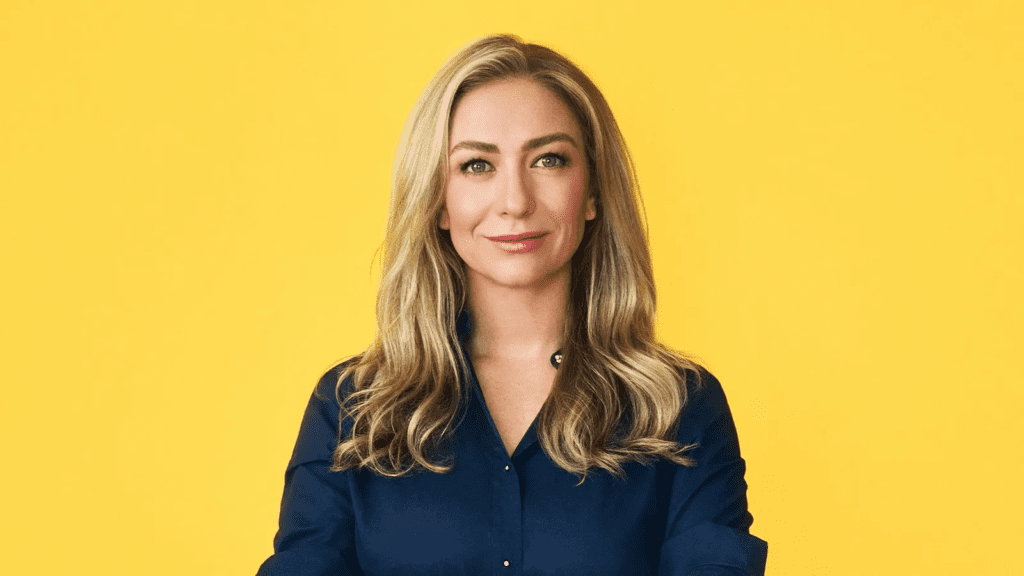
Whitney Wolfe Herd is an American entrepreneur and tech executive best known as the founder and CEO of Bumble, the social and dating app that changed how people connect by empowering women to make the first move. Born on July 1, 1989, in Salt Lake City, Utah, Wolfe Herd studied International Studies at Southern Methodist University, where she launched her earliest ventures, including a nonprofit selling bamboo totes to benefit communities affected by the BP oil spill. Her early initiative demonstrated both her social awareness and her appetite for building community-driven projects.
After graduating, Wolfe Herd entered the tech world and played a key role in the early growth of Tinder as Vice President of Marketing, helping popularize the app on college campuses and contribute to its rapid viral expansion. However, challenging experiences there, including a lawsuit over sexual discrimination and harassment that was settled in 2014, motivated her to forge a more positive model for social connection online. Within months of leaving, she teamed up with the founder of another dating app to launch Bumble in 2014, with the unique mission of fostering respectful interactions and giving women control of the first step in heterosexual matches.
Under Wolfe Herd’s leadership, Bumble expanded beyond dating into friend-finding (Bumble BFF) and professional networking (Bumble Bizz), broadening its role as a social platform. In February 2021, the company went public on the NASDAQ, at which point Wolfe Herd made history as the youngest female self-made billionaire as featured in major financial media and widely covered by business publications. Today Bumble continues to operate globally with millions of users and remains a defining example of a tech platform designed around community values and women’s empowerment.
She believes the next era of business will reward companies that design for respect, not just reach. Technology, in her view, must serve people, not exploit them. Platforms that create safety, accountability, and healthier interactions will outlast those chasing pure scale. In 2026, she argues, culture is a product.
Ben Chestnut

Ben Chestnut is an American entrepreneur best known as the co-founder and former CEO of Mailchimp, the email marketing and customer engagement platform that became a global leader in digital marketing automation. Raised in Georgia, Chestnut pursued higher education at the University of Georgia and later studied industrial design at Georgia Institute of Technology, blending creative thinking with practical problem-solving — skills that would prove valuable in his entrepreneurial career. Growing up in the American South, he developed an intuitive sense for design and user experience, which became a hallmark of Mailchimp’s product approach.
In 2001, Chestnut co-founded Mailchimp with Dan Kurzius (as part of their design agency Rocket Science Group) as a side project to help small businesses manage email marketing. What began as a tool for local clients grew organically due to its user-friendly design, affordable pricing, and clever branding, eventually overtaking their primary business as it attracted a global customer base. Unlike most tech startups, Mailchimp did not take outside venture capital, instead choosing to bootstrap growth, retain independence, and focus on profitability — a strategy that set it apart in an era of heavy funding-driven tech companies.
Under Chestnut’s leadership, Mailchimp expanded into a comprehensive marketing platform serving millions of users worldwide, emphasizing simplicity, creativity, and customer-first innovation. The company became one of Atlanta’s most iconic tech success stories and, in 2021, was acquired by Intuit for approximately $12 billion, marking one of the largest outcomes for a bootstrapped tech company in history. Chestnut’s journey — from a small-town upbringing to leading a global SaaS powerhouse — remains a compelling example of how resourcefulness and focus on user-centric design can build industry-defining businesses.
His philosophy remains rooted in disciplined independence. Growth without control can be fragile, and profitability still matters. As markets fluctuate, his belief is that sustainable companies focus on customers, not headlines. Longevity beats hype, every time.
Anne Wojcicki
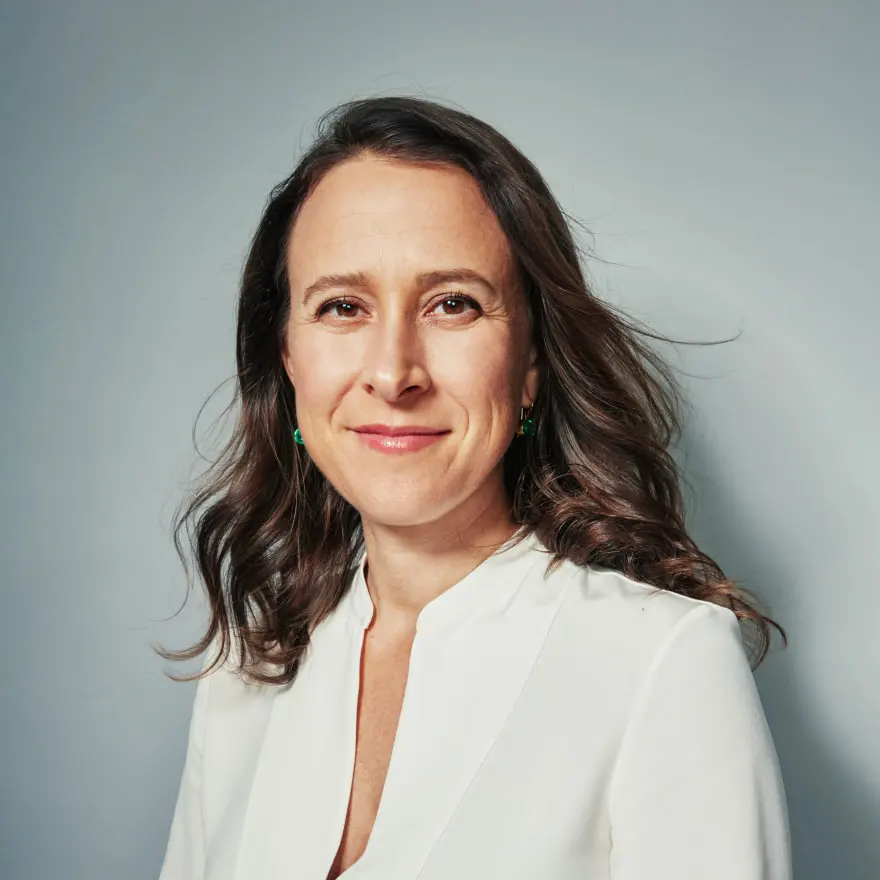
Anne E. Wojcicki is an American entrepreneur and biotechnology executive who co-founded 23andMe, a direct-to-consumer personal genomics company, in 2006 with Linda Avey and Paul Cusenza. Born in Palo Alto, California, she grew up in a family deeply rooted in science and education: her father was a physics professor at Stanford University and her mother was an educator and journalist, and her sister, Susan Wojcicki, would later serve as CEO of YouTube. Wojcicki attended Yale University, graduating with a bachelor’s degree in biology in 1996, after which she conducted molecular biology research at institutions including the National Institutes of Health and UC San Diego.
After college, Wojcicki worked as a healthcare consultant and investment analyst focused on biotechnology, which cultivated both her scientific understanding and recognition of the barriers the public faced in accessing personal health data. Disillusioned with traditional paths in medicine and finance, she saw an opportunity to democratize genetic information for ordinary consumers. With that vision, 23andMe developed a business model where customers could order a saliva kit online, send it in for analysis, and receive accessible reports on ancestry, genetic traits, and health risks — all without needing to go through a doctor.
Under Wojcicki’s leadership, 23andMe became one of the first consumer genetics companies to make DNA testing widely available outside clinical settings, significantly shaping public engagement with personal health data. Its tests won accolades early on — with Time magazine naming the genetic kit “Invention of the Year” in 2008 — and in later years the company received FDA approval for certain health risk reports. She has also been involved in partnerships with pharmaceutical companies to accelerate research using aggregated genetic data. Despite challenges including regulatory scrutiny and shifts in valuations, Wojcicki’s impact on personal genomics remains substantial as 23andMe continues to evolve in the biotech landscape.
For her, the competitive edge lies in empowering individuals with information. Data is not just a corporate asset: it is personal power. As healthcare and biotech continue to evolve, she maintains that transparency and access will define the winners. The companies that educate their consumers will earn their trust.
Tristan Walker

Tristan Walker is an American entrepreneur best known as the founder and CEO of Walker & Company Brands, a health and beauty company created to serve consumers traditionally underserved by mainstream grooming products. Born in Queens, New York, in 1984, Walker experienced early hardship — his father was murdered when he was just three years old — yet he excelled academically, earning a full scholarship to attend the prestigious Hotchkiss School and later graduating as valedictorian from the State University of New York at Stony Brook with a degree in economics.
After college, Walker pursued a career on Wall Street before shifting to the tech sector, holding roles at firms like Twitter and serving as Director of Business Development at Foursquare, where he helped build strategic partnerships. He later became an entrepreneur-in-residence at the venture capital firm Andreessen Horowitz, where he began developing the idea that would become Walker & Company. In 2013, he founded the company with a focus on creating grooming products for people of color, starting with Bevel, a single-blade shaving system designed to reduce razor bumps and irritation — concerns Walker himself had faced for years.
Bevel quickly gained traction as a category-defining brand, earning backing from celebrity investors and eventually expanding into additional personal care lines. In 2018, consumer goods giant Procter & Gamble acquired Walker & Company, making Walker the first Black CEO under P&G’s 180-year history while continuing to lead the business as a subsidiary. Beyond his consumer products ventures, Walker co-founded CODE2040, a nonprofit focused on increasing Black and Latino representation in the tech industry, and has served on several corporate boards, including Foot Locker and Shake Shack, solidifying his role as both a builder and an advocate for diversity in business.
Walker’s approach centers on building for communities historically overlooked. His rule for 2026 is clear: specificity scales. The deeper you understand a niche audience, the stronger your brand equity becomes.
Jennifer Hyman

Jennifer Hyman is an American entrepreneur and business leader best known as the co-founder and CEO of Rent the Runway, a fashion technology company that pioneered the concept of designer clothes and accessories rental. Born and raised in New Rochelle, New York, Hyman earned her bachelor’s degree in social sciences from Harvard University in 2002, where she developed early interests in business and consumer culture. She later attended Harvard Business School, where she met future co-founder Jennifer Fleiss and completed her MBA in 2009 — the same year they launched Rent the Runway together.
The inspiration for Rent the Runway came from a personal observation: Hyman noticed how her sister spent thousands of dollars on designer dresses that were worn only once. She saw an opportunity to reimagine consumer relationships with fashion by enabling access rather than ownership, allowing women to rent high-end pieces for special occasions or everyday wear at a fraction of the purchase price. The company grew rapidly by leveraging data analytics, customer insights, and a logistics-driven fulfillment model to deliver curated fashion rentals directly to consumers.
Under Hyman’s leadership, Rent the Runway became one of the first fashion startups to scale at such breadth, eventually going public and becoming part of a broader shift toward subscription and shared-economy business models. Along the way, Hyman has become a strong voice on topics including company culture, gender dynamics in tech and fashion, and workplace inclusivity. She has also participated in major industry conferences and panels to share insights on entrepreneurship, innovation, and building sustainable businesses in the digital age.
She sees flexibility as the new luxury. Ownership models are shifting, and consumers increasingly value access over accumulation. Businesses that rethink traditional consumption patterns will lead the next wave. Adaptability, she suggests, is now a core business competency.
Hamdi Ulukaya

Hamdi Ulukaya is a Turkish-born entrepreneur and food industry innovator who founded Chobani, the company credited with popularizing Greek-style strained yogurt in the United States. Born in İliç, Turkey, in 1972 into a family of Kurdish dairy farmers, Ulukaya grew up immersed in traditional cheese and yogurt making, which deeply influenced his understanding of quality ingredients and artisanal food preparation. He emigrated to the U.S. in the 1990s to study English and business, bringing with him a vision of creating authentic dairy products that reflected his heritage.
In 2005, after initially launching a small feta cheese business, Ulukaya seized an opportunity to buy a defunct yogurt factory in upstate New York that had been closed by a major food corporation. Despite lacking formal experience in commercial yogurt production, he spent nearly two years perfecting a recipe for thick, high-protein Greek yogurt, which he believed would resonate with American consumers. In 2007, Chobani’s products hit supermarket shelves, and within a few years the brand rose to dominance, transforming the U.S. yogurt market and inspiring a broader category shift toward Greek-style yogurts.
Beyond building a successful food company, Ulukaya has been noted for his commitment to employee well-being and social impact, including profit-sharing initiatives, competitive wages, and a proactive hiring strategy that welcomed refugees and immigrants into Chobani’s workforce — a reflection of his own immigrant journey. He also founded the Tent Partnership for Refugees to mobilize global businesses in support of displaced people, and has pledged significant philanthropic contributions through the Giving Pledge. Ulukaya’s leadership blends entrepreneurial success with humanitarian purpose, making him a leading voice in discussions about how business can drive both economic and social progress.
For Ulukaya, business is inseparable from responsibility. He argues that companies that invest in people will outperform in the long run. The purpose is not branding; it is operational strategy. In uncertain times, humanity becomes a competitive advantage.
Emily Weiss

Emily Weiss is an American entrepreneur and former fashion assistant turned beauty industry pioneer, best known as the founder of Glossier, one of the most influential direct-to-consumer beauty brands of the 2010s. Born on March 22, 1985, Weiss grew up with a passion for style and creativity before studying at New York University, where she began to refine her voice and interest in beauty culture. After graduating, she worked in fashion — including positions at Vogue — where she gained deep insight into industry trends and consumer behavior.
Weiss’s breakthrough came with the launch of her beauty blog Into the Gloss in 2010, a platform that quickly built a dedicated readership by sharing candid interviews and beauty product reviews that resonated with everyday consumers. The blog’s success revealed a gap between how beauty brands spoke to customers and how customers actually wanted to be engaged, inspiring Weiss to rethink the beauty business model entirely. In 2014, she leveraged this community insight to launch Glossier, starting online with just a few products designed for natural, everyday beauty and marketed through social engagement and user feedback.
Under Weiss’s leadership, Glossier grew rapidly by prioritizing community input, minimalist aesthetics, and a strong online presence — blending editorial voice, social media, and product development in ways that reshaped beauty branding. By 2019, the company had raised over $100 million in funding and reached a valuation of more than $1 billion, reflecting its influence with millennial and Gen Z consumers worldwide. Although Weiss stepped down as CEO in 2022 to become executive chairwoman, she remains a central figure in the brand’s vision, helping guide its culture and direction as it expands into new product categories and retail experiences.
She has long championed community infrastructure. In her view, brands can no longer speak at consumers; they must build with them. The future belongs to companies that listen obsessively and evolve publicly. Relevance in 2026 will be co-created.
David Heath

David Heath is an American entrepreneur and the co-founder and CEO of Bombas, the comfort-focused apparel brand best known for its socks and mission-driven business model. Heath co-founded the company in 2013 alongside Randy Goldberg after learning that socks are the most requested item in homeless shelters across the United States. The idea for Bombas was rooted in both product innovation and social impact, combining improved everyday essentials with a one-for-one donation model. Heath’s leadership helped shape the company’s identity around purpose as much as profitability.
Before launching Bombas, Heath worked in media and brand strategy, bringing marketing insight into the early development of the company. Bombas gained national attention after appearing on Shark Tank in 2014, where they secured a deal with investor Daymond John. The exposure significantly accelerated brand growth, allowing Bombas to scale operations while maintaining its mission of donating one item for every item sold.
Under Heath’s leadership, Bombas expanded beyond socks into underwear, T-shirts, and other basics, while continuing to refine product design through customer feedback. The company has donated tens of millions of clothing items to people experiencing homelessness across the U.S. Heath is frequently cited in discussions about modern direct-to-consumer brands and socially responsible entrepreneurship, demonstrating how impact-driven models can scale successfully in competitive retail markets.
Heath maintains that the mission must be measurable. Consumers are no longer satisfied with symbolic impact; they want proof. Brands that embed social good directly into their revenue model will stand apart. In 2026, doing good and doing well must be structurally connected.
Jessica Alba

Jessica Alba is an American entrepreneur and actress who co-founded The Honest Company, a consumer goods brand focused on household, baby, and personal care products. In 2011, Alba partnered with Christopher Gavigan and Brian Lee to launch the company, motivated in part by her personal experience as a mother seeking safer, transparently labeled products for her family. The brand positioned itself around ingredient transparency and environmentally conscious formulations, resonating with modern consumers seeking cleaner alternatives.
The Honest Company initially launched with baby and diaper subscription services before expanding into beauty and household categories. The company experienced rapid growth during its early years, becoming one of the most recognized celebrity-founded consumer brands in the United States. In 2021, The Honest Company went public on the NASDAQ, marking a significant milestone in its evolution from startup to publicly traded enterprise.
Although Alba stepped down as Chief Creative Officer in 2024, she remains closely associated with the company’s founding vision and public identity. Beyond Honest, she has spoken publicly about entrepreneurship, female leadership, and building businesses with social and environmental awareness. Alba’s transition from Hollywood actress to founder-operator is often cited as a notable example of celebrity entrepreneurship grounded in operational involvement rather than endorsement alone.
Alba believes modern brands are built on transparency. Today’s customers research ingredients, sourcing, and governance with the same intensity investors analyze earnings. Companies that communicate clearly will earn durable loyalty. Trust is the ultimate differentiator.
Jim McKelvey
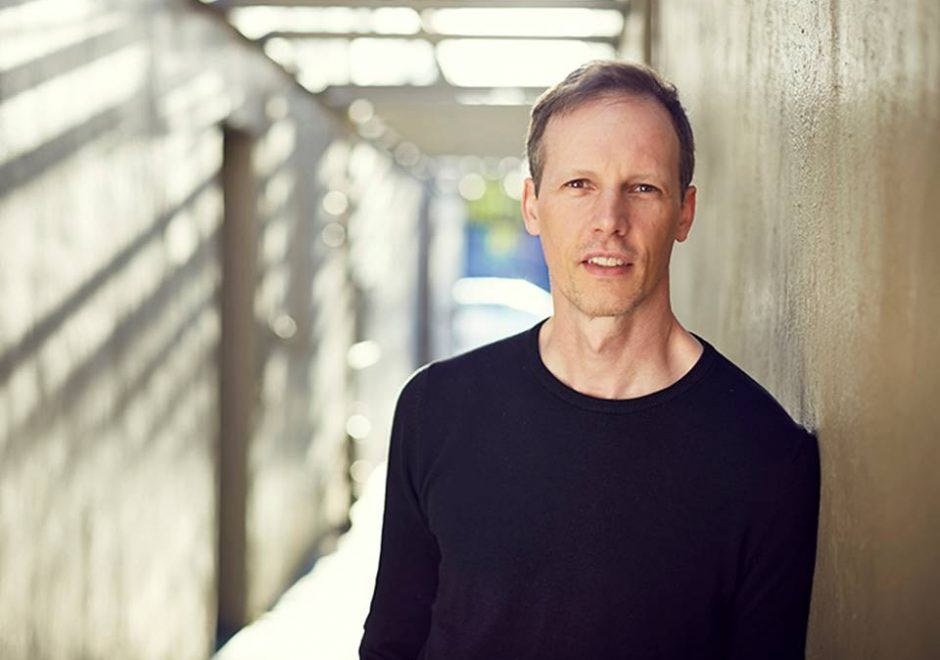
Jim McKelvey is an American entrepreneur, inventor, and philanthropist best known as the co-founder of Square (now known as Block, Inc.), the financial technology company he started with Jack Dorsey in 2009. The idea for Square originated when McKelvey, who is also a glass artist, was unable to complete a sale because he could not accept credit cards. Recognizing the friction small businesses faced in payment processing, he and Dorsey developed a simple card reader that plugged into smartphones, dramatically expanding payment access for small merchants.
Square quickly gained adoption among independent sellers, small retailers, and service providers by simplifying payment infrastructure. The company went public in 2015, becoming one of the most prominent fintech companies serving small businesses. McKelvey remained active in product innovation and strategic initiatives during Square’s expansion into additional financial services, including business loans and peer-to-peer payments.
Beyond fintech, McKelvey co-founded LaunchCode in 2013, a nonprofit organization based in St. Louis focused on providing free technology education and apprenticeship placements to individuals seeking careers in software development. LaunchCode has helped thousands of participants enter the tech workforce. McKelvey’s career reflects a blend of technological innovation and workforce development, positioning him as both a product builder and ecosystem contributor.
McKelvey argues that the biggest opportunities often hide inside everyday friction. The next breakthrough may come from solving a small, overlooked problem at scale. Founders who stay curious about inconvenience will build the most resilient companies.