

Senior executives from America’s largest defense contractors are expected at the White House for talks focused on accelerating weapons production, as the Pentagon scrambles to rebuild inventories depleted by strikes on Iran and other recent military demands. The meeting, scheduled for Friday, reflects the urgency in Washington that the U.S. has spent years drawing down stockpiles to sustain multiple commitments—most notably support for Ukraine after Russia’s 2022 invasion and support tied to Israel’s operations in Gaza—and that the latest Iran campaign has further pressured supplies, including by consuming longer-range missiles beyond what had been sent to Ukraine.
Companies including Lockheed Martin and RTX (parent of Raytheon) have been invited, alongside other key suppliers, according to five people familiar with the plan. At least one source described the gathering as likely centered on pushing manufacturers to move faster and expand output. The contractors and the White House did not immediately comment, and RTX declined to comment.
The meeting comes as the Pentagon weighs how to pay for a rapid replenishment effort. Deputy Defense Secretary Steve Feinberg has been leading work on a supplemental budget request of around $50 billion that could be released as soon as Friday. The funding would be intended to replace weapons expended in recent conflicts, including operations in the Middle East.
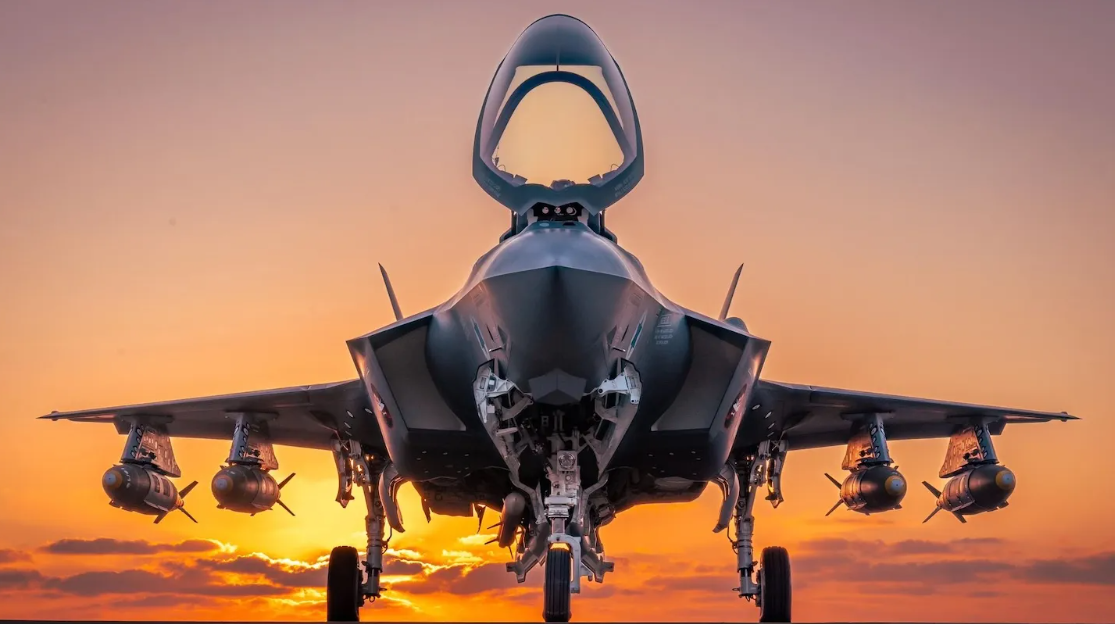
The Iran operation underscored how quickly modern, high-tempo strikes can consume expensive inventories. The U.S. deployed Tomahawk cruise missiles, F-35 stealth fighters, and low-cost one-way attack drones during the strikes on Iran. Those kinds of missions rely on precision systems that take time to manufacture, often constrained by specialized supply chains, testing requirements, and limited industrial capacity.
There is a gap between wartime usage and peacetime production. Tomahawk maker Raytheon has a new agreement with the Pentagon aimed at eventually ramping production to 1,000 units annually. Yet the Pentagon’s current plan is to buy 57 Tomahawks in 2026, at an average cost of $1.3 million each, showing how procurement timelines can lag the scale of demand created by major operations.
The White House push is also part of a broader effort to apply tougher pressure on contractors’ performance and priorities.Trump administration has been ratcheting up demands that defense firms prioritize production over shareholder payouts. Trump signed a January executive order directing the government to identify contractors considered underperforming on contracts while still distributing profits to shareholders. The Pentagon is expected to publish a list of such contractors; firms named would have 15 days to submit board-approved corrective plans, and if those plans are deemed insufficient, the Pentagon could pursue enforcement actions up to and including contract terminations.
Overall, the White House meeting was a high-level attempt to convert battlefield urgency into industrial acceleration—pairing the promise of new funding with the threat of stricter accountability—so the Pentagon can rebuild munitions stockpiles faster in a rapidly escalating security environment.