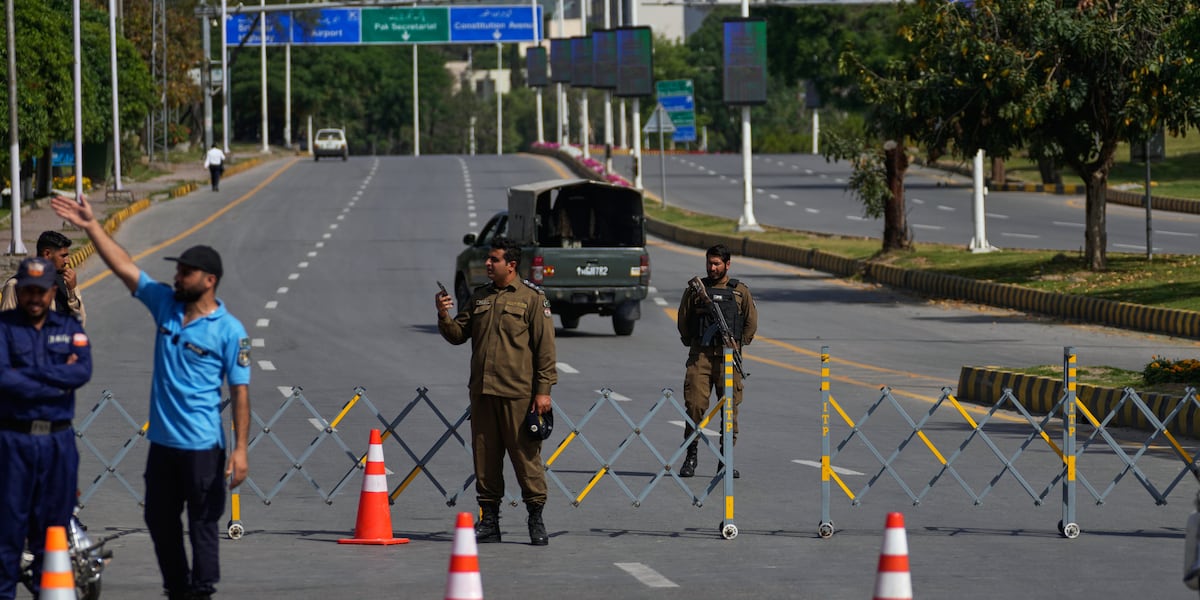

President Donald Trump said the United States is indefinitely extending its ceasefire with Iran, just one day before the truce was set to expire, in a move that temporarily lowers the risk of an immediate return to fighting.Trump made the announcement Tuesday April 21 while a new round of peace talks was on hold, easing fears that the conflict would quickly resume and again rattle energy markets and the global economy. Pakistan had been trying to host a second round of negotiations in Islamabad, but those efforts stalled after the White House paused Vice President JD Vance’s planned trip and Iran resisted restarting formal talks.
The ceasefire extension appears to have come at Pakistan’s request. Pakistani leaders, including Prime Minister Shehbaz Sharif, worked intensely behind the scenes to persuade both sides to keep diplomacy alive. Sharif later thanked Trump for what he called the U.S. president’s “gracious acceptance” of Pakistan’s request, saying the extension would give diplomatic efforts more time to proceed. That makes Pakistan not just the host of the talks, but an increasingly important intermediary trying to prevent the U.S.-Iran war from flaring back up.
Still, the diplomatic picture remains fragile. Iran has not yet publicly responded to Trump’s announcement, and both countries have warned that if no agreement is reached, they are prepared to resume fighting. Before extending the ceasefire, Trump had issued another stark threat, saying that “lots of bombs” would “start going off” if there were no agreement before the Wednesday deadline. Iran’s chief negotiator replied that Tehran still had “new cards on the battlefield” that had not yet been used. Those statements make clear that even though the ceasefire has been prolonged, neither side is speaking as if the conflict is fully contained.
Complicating matters further, two ships were attacked in the Strait of Hormuz, adding pressure to already difficult efforts to restart talks. The strait is one of the most important oil-shipping routes in the world, so any new violence there immediately raises the stakes far beyond the battlefield itself. Ceasefire extension as a step that could calm immediate fears, but the attack on ships shows how easily events on the ground can undermine diplomacy and keep markets on edge.
War had already shaken energy markets and the world economy. By extending the ceasefire, Trump may have reduced the chance of an immediate shock to oil prices, shipping, and global trade. But because negotiations are not yet back on track, the underlying risks remain unresolved. In other words, the extension buys time, but it does not yet provide a clear path to peace.
The events in Islamabad also show how this conflict has widened into a larger diplomatic contest. Pakistan’s involvement suggests regional powers are trying to prevent the war from becoming even more destabilizing. But the White House’s decision to pause Vance’s trip and Iran’s refusal to fully reengage suggest that trust remains extremely low. A ceasefire can hold in name while negotiations stay frozen, and that seems to be the uneasy position both sides are in now.
The immediate threat of resumed combat may have receded, and Pakistan’s mediation has bought more time. But with talks delayed, threats still flying, and violence in the Strait of Hormuz continuing to complicate the picture, the conflict remains unresolved and highly volatile.