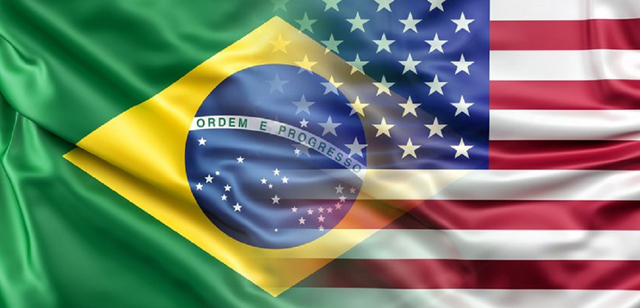

The Trump administration has announced a new 25% tariff on a wide range of Brazilian imports, marking a significant escalation in the trade dispute between the two largest economies in the Americas. The duties are scheduled to take effect on July 22 and are being imposed under Section 301 of the Trade Act of 1974, which allows the United States to retaliate against foreign policies it considers unfair, discriminatory or harmful to American commerce.
The tariffs follow a yearlong investigation by the Office of the U.S. Trade Representative into several Brazilian policies. Washington has accused Brazil of creating barriers for American companies through its digital-trade regulations, electronic-payment rules, tariffs, intellectual-property protections and environmental practices. U.S. officials have also criticized what they describe as weakened anti-corruption enforcement and insufficient efforts to prevent illegal deforestation. Brazil has rejected those allegations and maintains that its policies comply with domestic and international law.
Although thousands of products will be affected, the administration expanded its exemptions to protect goods considered important to American consumers and supply chains. Coffee, beef, orange juice, certain energy products, aircraft components and other goods that are difficult to replace domestically will remain outside the new tariff program. The exemptions cover approximately $11 billion in annual trade, reducing the risk of immediate price increases for popular products and essential industrial materials.
The decision is especially important for the U.S. coffee industry, which had urged the administration to preserve tariff-free access to Brazilian beans. Brazil is the world’s largest coffee producer and a critical supplier to American roasters. Tariffs on coffee could have increased costs for cafés, grocery stores and consumers at a time when commodity prices and inflation remain politically sensitive. Beef and orange-juice exemptions similarly appear designed to limit the domestic economic consequences of the broader trade action.
Other Brazilian exports—including machinery, sugar, tobacco, wood products, pig iron, ethanol and some steel products—could face higher costs when entering the United States. American importers generally pay tariffs at the border, meaning companies may absorb the expenses, seek alternative suppliers or pass part of the increase to customers. Brazilian exporters could also become less competitive in the U.S. market, potentially threatening investment and employment in industries dependent on American buyers.
U.S. Trade Representative Jamieson Greer said the measures were necessary after negotiations failed to resolve Washington’s concerns. The administration argues that the tariffs will pressure Brazil to remove barriers and provide fairer access for American workers and businesses. The Brazil case also represents a test of Trump’s revised trade strategy following a Supreme Court ruling that restricted his earlier use of emergency powers to impose sweeping global tariffs. Section 301 offers a more established legal mechanism, but it requires an investigation and findings concerning specific foreign practices.
Brazilian President Luiz Inácio Lula da Silva condemned the tariffs as unjustified and politically motivated. His government has emphasized that the United States has maintained a long-running trade surplus with Brazil, challenging the argument that the relationship unfairly disadvantages American companies. Brazil is considering responses through its economic reciprocity law and may also challenge the tariffs at the World Trade Organization.
The dispute is unfolding ahead of Brazil’s presidential election and amid broader diplomatic tensions between Lula and Trump. Brazilian officials fear that U.S. pressure could influence domestic politics, while Washington insists its decision is based on commercial practices rather than electoral considerations.
New tariffs signal a tougher phase in U.S.-Brazil relations. By exempting coffee, beef and other sensitive products, the administration is attempting to pressure Brazil while limiting harm to American consumers. However, retaliation or prolonged negotiations could deepen economic uncertainty and turn the dispute into a wider political confrontation.