
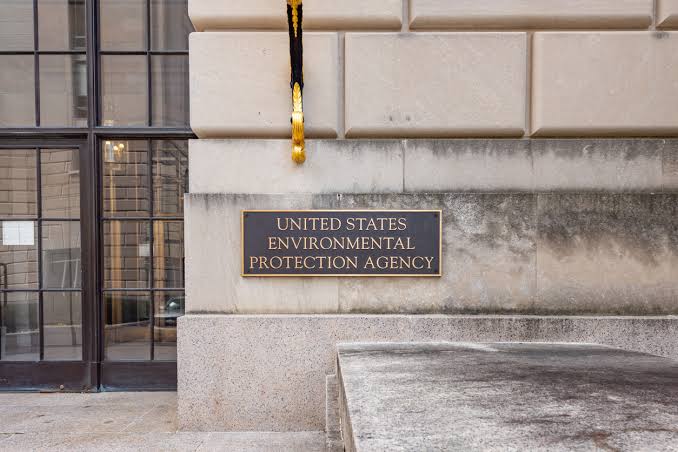

The Environmental Protection Agency is facing growing anger from supporters of the Make America Healthy Again movement after failing to release the environmental-health agenda it promised nearly eight months ago. EPA Administrator Lee Zeldin pledged last December to publish a formal plan outlining how the agency would address pesticides, toxic chemicals, microplastics and other environmental factors that MAHA activists believe contribute to chronic disease. The document has never appeared, and the agency now says MAHA should be understood as an ongoing effort rather than a single report.
That change has deepened distrust among activists aligned with Health Secretary Robert F. Kennedy Jr. Many supported Donald Trump believing his administration would challenge corporate influence over food, chemicals and public health. Instead, they say the EPA has continued an aggressive deregulatory agenda while offering symbolic “MAHA wins” that do not deliver meaningful protections. Activist Kelly Ryerson, known online as “Glyphosate Girl,” said that supporters had hoped for specific actions but had not received the victories they requested.
The dispute is politically important because MAHA supporters formed part of the coalition that helped Trump return to the White House. Some activists now say they may vote according to individual health and environmental issues rather than party loyalty in the midterm elections. Their frustration reflects a broader belief that corporate interests are still being placed ahead of public health, despite the administration’s promises to confront chronic disease.
Microplastics have become a major example of the gap between announcement and action. In April, Zeldin added microplastics and pharmaceuticals to a list of drinking-water contaminants that might eventually be regulated. But the EPA later excluded them from a mandatory testing program used to collect evidence about potentially harmful substances in drinking water. Former EPA official Betsy Southerland called the earlier promise “functionally toothless,” while the agency said reliable testing and treatment methods could not be developed within the required legal timeframe.
Pesticide policy has caused similar disappointment. MAHA farmers helped shape an executive order supporting regenerative agriculture, but activists say the EPA then cited that order while proposing expanded uses for certain herbicides. The administration also supported Bayer in a Supreme Court case involving legal claims over the Roundup weedkiller. The Court sided with the pesticide company, delivering another setback to activists seeking stronger restrictions on glyphosate and greater accountability for alleged health harms.
Critics also point to the growing influence of former industry officials inside the EPA. A former soybean-industry lobbyist now leads pesticide policy, while former executives from the American Chemistry Council hold senior positions in the agency’s chemical-safety office. The EPA says its appointees have consulted ethics officials and highlights actions including funding to remove PFAS from water and plans to monitor additional contaminants. But activists argue that these steps do not outweigh broader regulatory rollbacks.
Zeldin has proposed reversing the federal finding that climate change threatens human health, rolling back numerous environmental regulations, freezing clean-energy funding and restructuring agency research. To critics, those moves contradict MAHA’s stated mission of reducing harmful exposures. The EPA responds that its health-related work is active and expanding, and that focusing on one promised document misrepresents how the agency operates.
There is a widening break between Trump’s EPA and a health movement that expected major action on chemicals, pesticides and pollution. The missing agenda has become a symbol of that disappointment. For activists, the issue is no longer simply whether the EPA supports MAHA in public statements, but whether it will adopt enforceable policies that place health protections ahead of deregulation and industry influence.