

The Trump administration has separated dozens of immigrant children from their parents for a second time, despite legal protections created after the first family-separation crisis. Families previously separated under Trump’s 2018 border policy are again being pulled apart through arrests, deportations and immigration enforcement actions during Trump’s second term. The findings show that one of the most controversial immigration practices in recent U.S. history has not disappeared; it has returned in a new form.
For example, families covered by the Ms. L v. ICE settlement, a court agreement reached after the original 2018 separation policy caused international outrage. That settlement was supposed to protect previously separated families from being split apart again and gave them access to support services, legal pathways and the chance to seek asylum. But some of those same families have been detained, deported or separated anyway, often because of communication failures, aggressive enforcement decisions or disputes over how the settlement applies.
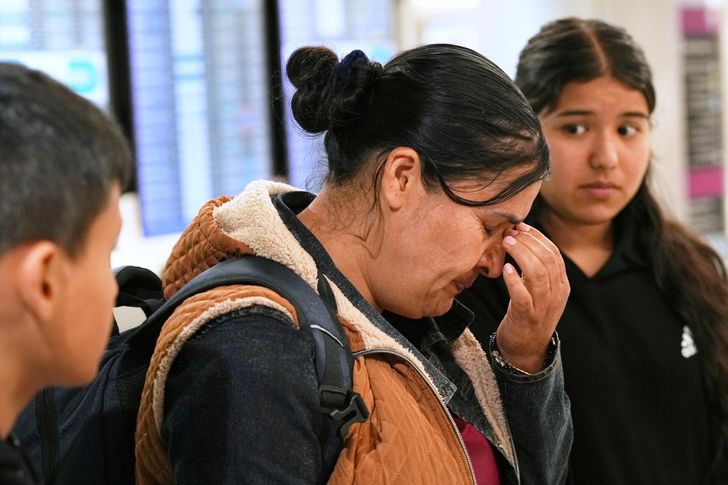
One central case is 11-year-old Ederson Galicia Alva, who was first separated from his mother years earlier and then separated again after arriving at Miami International Airport. Federal agents pulled his mother aside for questioning, reviving the trauma he had already lived through once. A federal judge later ruled the separation illegal and allowed the family to return to Florida, but their immigration future remains uncertain.
The government says it is following court orders and enforcing immigration law. The Department of Homeland Security has argued that parents may still be detained or removed when officials believe there are legal grounds to do so. But immigrant-rights advocates say the administration is using technicalities and enforcement pressure to undermine the spirit of the settlement. They argue that the government knows these families were already harmed once and is now exposing children to the same fear, confusion and trauma again.
The broader context is Trump’s renewed mass-deportation campaign. Immigration detention has expanded sharply, and a Brookings Institution report estimated that the administration had booked about 400,000 people into ICE detention from interior arrests since Trump returned to office. The same report estimated that more than 145,000 U.S. children may have experienced a parent being detained under the enforcement surge, showing how deportation policy can separate families even when children are not the direct target.
This shows how difficult it is for families to defend their rights. Some families do not know they are protected by the settlement, some cannot reach lawyers quickly, and some are separated before courts can intervene. When parents are detained or deported suddenly, children can be left behind with relatives, shelters or uncertain guardianship arrangements. These gaps make legal protections weaker in practice than they appear on paper.
Overall, the investigation raises serious questions about whether the United States has truly moved beyond the family-separation crisis of 2018. The method may be different, but the result is familiar: children are again being removed from parents, even after courts tried to prevent it. For affected families, the damage is not political or abstract. It is a repeated trauma that can shape childhood, trust and safety for years.