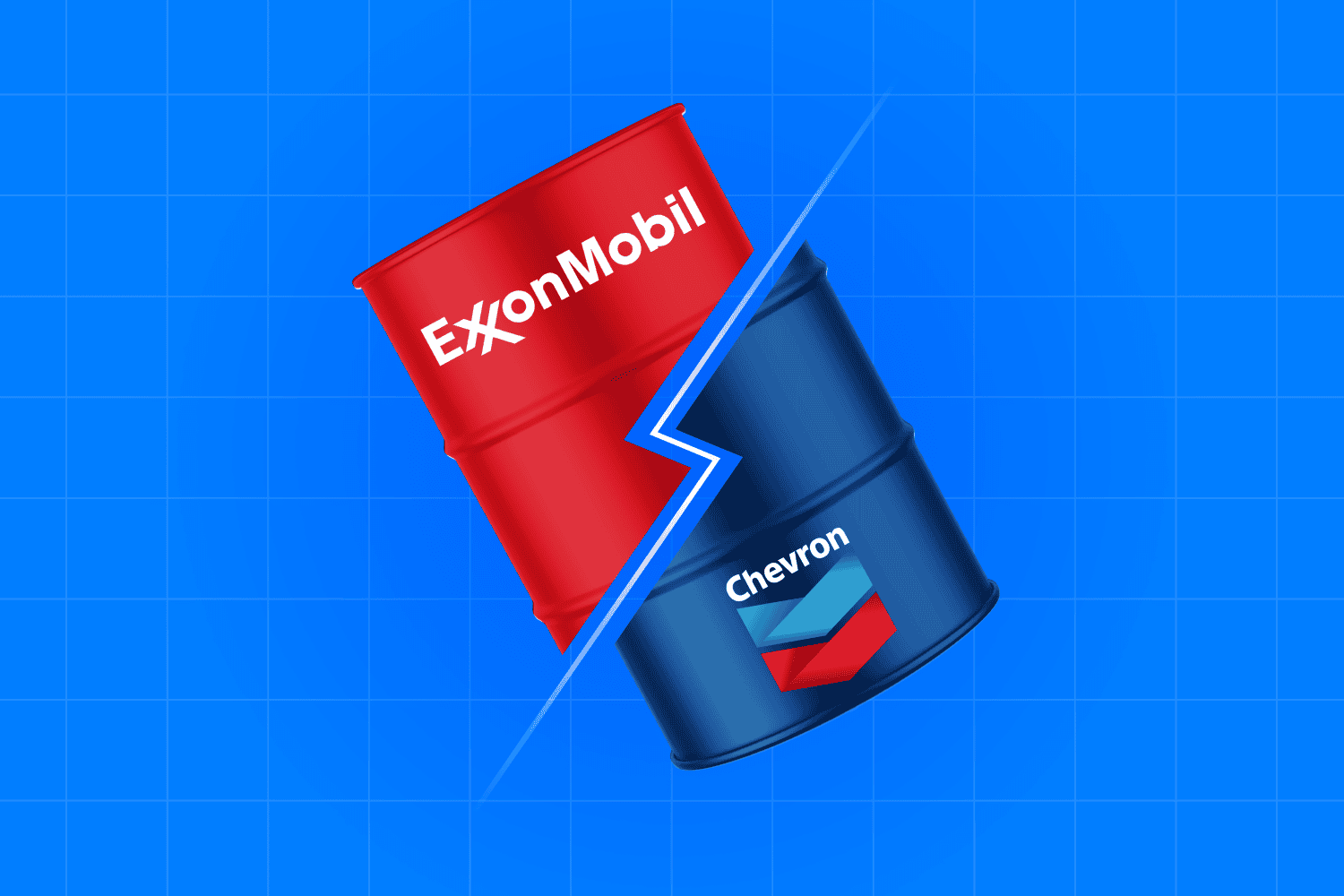

ExxonMobil and Chevron have reported a combined $26.5 billion in second-quarter profits, benefiting from a sharp increase in global oil prices fueled largely by the conflict involving Iran and disruptions to energy supplies. The results delighted investors but also intensified political criticism, as millions of Americans continue paying elevated gasoline prices during a period of persistent inflation and economic uncertainty.
ExxonMobil reported quarterly earnings of $14.5 billion, more than doubling its profit from the same period a year earlier. Chevron posted $12 billion in earnings, representing its strongest quarterly performance since 2020. Both companies credited disciplined operations, record production and strong refinery performance for the results, while also acknowledging that geopolitical instability significantly boosted crude oil prices. Exxon CEO Darren Woods said the company’s performance reflected operational execution despite a highly volatile global environment, while Chevron emphasized record production from its U.S. operations.
The surge in profits comes after months of disruption in global energy markets. Fighting involving Iran led to interruptions in shipping through the Strait of Hormuz, one of the world’s most important energy corridors, reducing global supply and pushing crude prices sharply higher. Brent crude climbed well above historical averages during much of the quarter, while average gasoline prices in the United States rose above $4 per gallon, increasing transportation costs for households and businesses alike.
Although oil producers do not directly determine gasoline prices, the extraordinary earnings have renewed accusations that energy companies are benefiting disproportionately from an international crisis. Analysts at Wood Mackenzie estimate that if oil averages around $90 per barrel this year, the global oil industry could generate roughly $425 billion in combined profits. However, many companies have shown little interest in dramatically increasing production because executives fear prices could fall before new drilling projects recover their investment costs if geopolitical tensions ease.
The financial results have prompted renewed political pressure in Washington. Democratic lawmakers, including Senator Sheldon Whitehouse and Representative Ro Khanna, are again promoting legislation that would impose a windfall profits tax on major oil producers. Their proposal would tax companies producing or importing more than 300,000 barrels of oil per day, with revenues returned to consumers to offset higher fuel costs. Supporters argue that companies should not receive extraordinary financial gains during international conflicts while families struggle with rising living expenses.
Oil companies strongly reject those arguments. Industry executives maintain that commodity prices are established by global supply and demand rather than by producers themselves. Darren Woods warned that imposing windfall taxes could discourage future investment in domestic energy production, noting that previous similar taxes in Europe caused Exxon to cancel planned investments there. The American Petroleum Institute also argued that repeated government investigations have found no evidence of price gouging in highly competitive global petroleum markets.
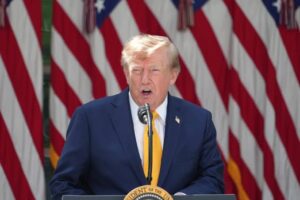
The White House has also entered the debate. President Donald Trump has publicly warned that the Justice Department could investigate potential price manipulation in energy markets, although industry officials say they have seen no indication that a formal investigation is currently underway. Administration officials instead attribute higher fuel prices primarily to geopolitical instability and argue that resolving conflicts affecting oil exports would naturally reduce prices.
Meanwhile, investors remain optimistic about the sector’s financial outlook. High refinery margins, constrained global supply and resilient demand continue to support earnings despite uncertainty surrounding future oil prices. Analysts caution, however, that profitability could decline quickly if geopolitical tensions ease or global economic growth weakens, reducing demand for petroleum products.
The latest earnings illustrate the difficult balance between corporate success and public affordability during periods of international conflict. While Exxon and Chevron argue that strong profits reflect efficient operations and prudent investment, lawmakers and consumer advocates contend that extraordinary gains earned during an energy crisis deserve closer scrutiny. The debate over whether governments should tax windfall profits or allow market forces to operate freely is likely to remain a major political issue as fuel prices continue influencing inflation and voter sentiment ahead of the midterm elections.