
Civil rights veterans in Selma, Alabama, say they feel as if history is repeating after a recent U.S. Supreme Court ruling weakened a key part of the Voting Rights Act and opened the door for Republican-led states to redraw congressional maps in ways that could reduce Black political representation. The ruling stripped major protections from Section 2 of the law, which for decades had been used to challenge voting maps that had racially discriminatory effects.
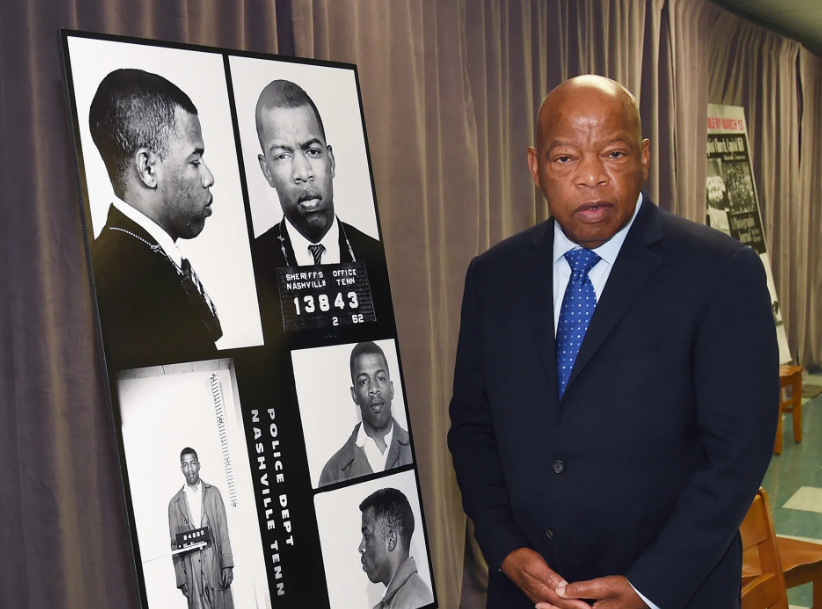
The emotional weight of the story comes from Selma, the city most closely tied to the Voting Rights Act. In 1965, peaceful marchers were beaten on the Edmund Pettus Bridge during what became known as Bloody Sunday, a moment that helped push President Lyndon Johnson to sign the Voting Rights Act months later. Some civil rights veterans who lived through that era, now see the Court’s decision as a painful retreat from sacrifices made decades ago.
One of them is Betty Strong Boynton, now 77, who survived the 1965 march and recently joined a protest against Alabama’s plan to eliminate one of the state’s two congressional seats held by Black politicians. She said that activists will again have to go “door-to-door” and back into the streets to explain what is happening and urge people to vote. Her response captures a renewed call for grassroots action.
Another veteran, Barbara Barge, who also took part in Selma protests before Bloody Sunday, said the Supreme Court decision initially made her feel as if the work of the civil rights movement “had no merit.” But she later remembered the lasting power of that struggle and continued guiding people through civil rights history sites. Activist Faya Rose Toure views current redistricting efforts as part of a long pattern of attempts to weaken Black political power.
The practical consequences could be significant. Republican-led states including Alabama, Louisiana, South Carolina and Tennessee are moving forward with redistricting plans after the Supreme Court ruling. Civil rights leaders and election experts warn those efforts could reduce Black representation across the South. Alabama Republicans, for example, have targeted the seat held by Democratic Representative Shomari Figures, one of two Black members Alabama elected to Congress in 2024.
Republican officials argue that the South has changed and that laws designed for an earlier era no longer fit current realities. Alabama Attorney General Steve Marshall said the Supreme Court ruling recognized that shift. But civil rights advocates reject that view, saying the decision ignores persistent racial disparities in political power and gives states more freedom to draw maps that weaken minority voters’ influence.
The broader significance is that the Voting Rights Act, once considered one of the landmark achievements of the civil rights movement, has now been substantially weakened by the Supreme Court. For Selma veterans, the ruling is not an abstract legal change. It feels like a reversal of progress won through danger, sacrifice and organizing.
Overall, the battle over voting rights did not end in 1965. The legal terrain has changed, but the people who helped win those protections believe the same struggle is returning in a new form.